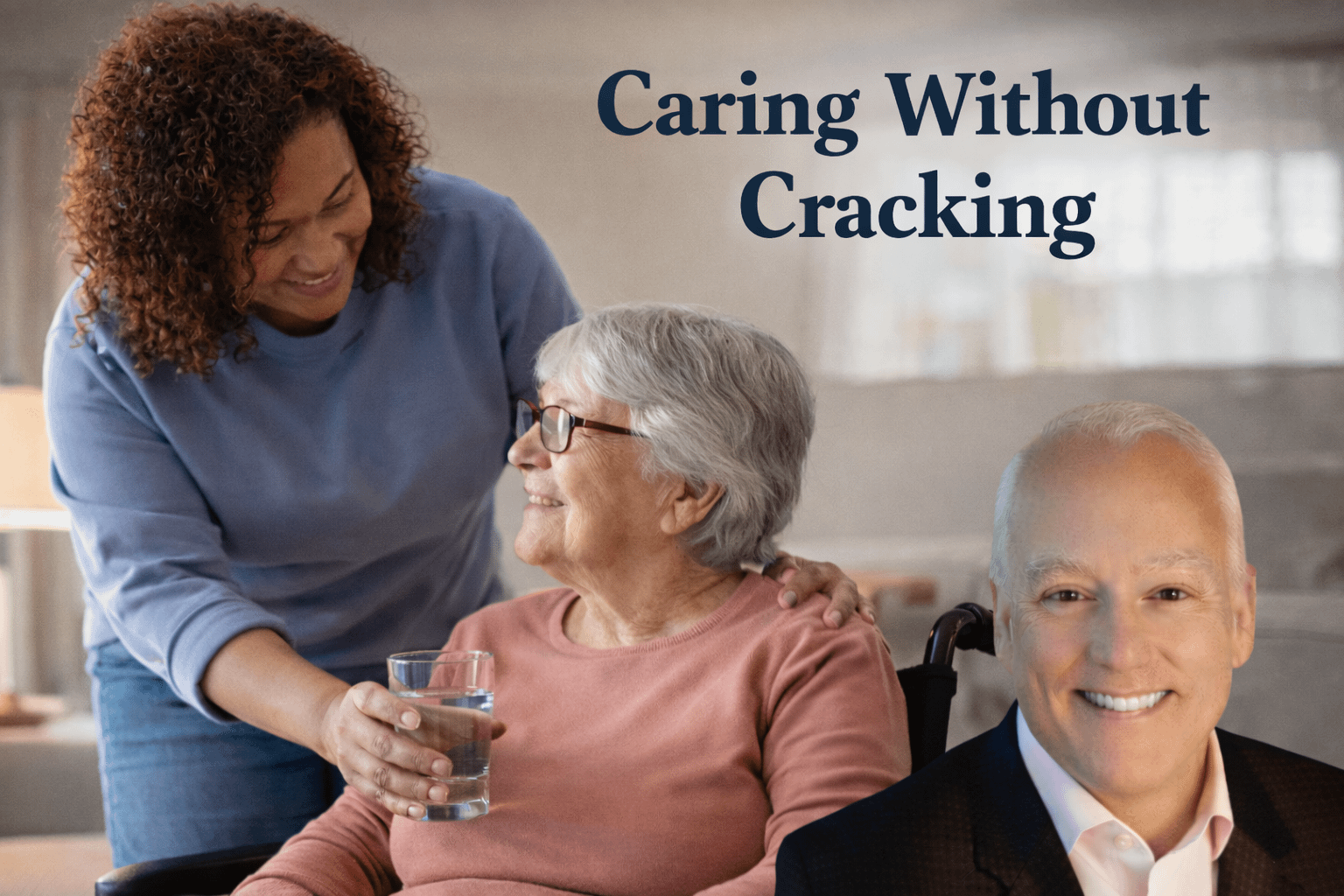


The desire to “age in place” has become more than a preference – it’s now the dominant expectation among older adults and their families. According to a recent McKnights’ article, 53% of family caregivers prefer in-home care over senior living, citing independence, familiarity, and emotional comfort as the biggest drivers. That’s a powerful statistic. But preference alone doesn’t make the day-to-day realities any easier.
The Aging Experience is a reader-supported publication. To receive new posts and support my work, consider becoming a free or paid subscriber.
Because behind the scenes of that preference is the real story: family caregivers are exhausted, overwhelmed, and often putting their own health at risk to keep loved ones at home. The article highlights what so many caregivers already know – wanting someone to stay at home is one thing; doing it safely is another.
But with planning, boundaries, and smart support, caregivers can help loved ones thrive at home without breaking themselves in the process.
Small changes often have the biggest impact:
Loose rugs, electrical cords, stacked magazines, and pet toys cause a surprising number of falls. A five-minute walk-through every week can prevent what could become a life-changing injury.
As eyesight changes, shadows become dangerous. Add night-lights to hallways, stairwells, and bathrooms. Use brighter bulbs and open blinds during the day.
Grab bars, non-slip mats, and a shower chair are inexpensive but high-impact additions. Many caregivers report this one room causes them the most anxiety – and with good reason.
Ramps, railings, bed assist bars, and stable chairs with arms give older adults confidence – which reduces the strain on caregivers, too.
If your loved one is experiencing any degree of cognitive change, the home needs additional thought:
Dementia care is not intuitive. Don’t expect yourself to “just know.” Training programs, local Alzheimer’s associations, and even short online modules can change the entire tone of caregiving at home.
Many caregivers prefer in-home care because they want to stay involved – but that can quickly turn into “I have to handle everything.” That’s not sustainable.
Divide tasks with siblings or extended family. Give neighbors small, specific jobs: a grocery run, a meal drop-off, a weekly check-in.
Medical alert devices, video doorbells, medication dispensers, and simple monitoring tools ease the “24/7 vigilance” mindset.
Your breaks are not luxuries; they are protective measures that keep you healthy enough to continue caregiving.
When caregivers get injured or burned out, home care collapses. Your wellbeing is not secondary – it is a direct part of your loved one’s safety.
My sister passed away some 11 years ago from lung cancer, exacerbated by her duties as a caregiver to Mom, who outlived her. The report is clear: a majority of family caregivers want their loved ones to stay at home. But preference must be paired with preparation. Home can be the safest, happiest place to age – when caregivers receive the support, tools, and boundaries they deserve.
Aging in place works best when nobody is sacrificing their health to make it happen. And that begins with remembering this simple truth:
You can care deeply – and still care for yourself.
Are you preparing to age in place? How? What changes have you made – or are planning to make – in your home? How involved are your children, siblings, neighbors, etc.?
From Sixty and Me. By Anthony Cirillo February 08, 2026 Caregiving
Note: This is an opinion/advocacy piece. The views expressed are intentionally provocative and represent one side of a complex policy debate.

Anthony Cirillo has spent decades helping families, caregivers, and professionals rethink what aging can look like. A nationally respected voice in senior living and aging advocacy, Anthony brings insight, clarity, and compassion to conversations that matter. From navigating caregiving challenges to understanding the future of senior lifestyles, his perspective helps families make smarter, more confident decisions. If you care about aging well, supporting loved ones, or understanding the changing world of senior living, Anthony Cirillo is a voice worth hearing.