Honoring Those Who Served – Veterans’ Day, 2026 (2 Videos)
- Special Events


As discussed in part 1 of this topic, the gut plays a crucial role in immune system regulation. Gut dysbiosis, an imbalance in the gut microbiota, can weaken the immune system and increase susceptibility to infections and inflammatory diseases. Gut dysbiosis can be caused by factors such as chronic stress, overuse of antibiotics, infections, or poor diet. Chronic stress and poor sleep quality can disrupt the composition of the gut microbiota which, in turn, can weaken immune function. Additionally, a diet high in processed foods, unhealthy fats, and sugar can promote gut microbiota disruption. When we do get a bacterial infection, antibiotics can be essential for our health. However, the overuse and misuse of antibiotics can kill both harmful and beneficial gut bacteria in the process. This can, ultimately, make our bodies more susceptible to other infections.

A disrupted gut can also lead to heightened immune sensitivity which can result in allergic reactions or asthma. When I was personally dealing with gut dysbiosis, I experienced histamine reactions to high-histamine foods which I had previously eaten with no issues. Moreover, gut dysbiosis has been linked to many autoimmune disorders where a disruption in the gut microbiota leads to inappropriate immune responses. These immune responses cause the body to attack its own healthy cells, tissues, and organs which can result in inflammation and damage within the body.
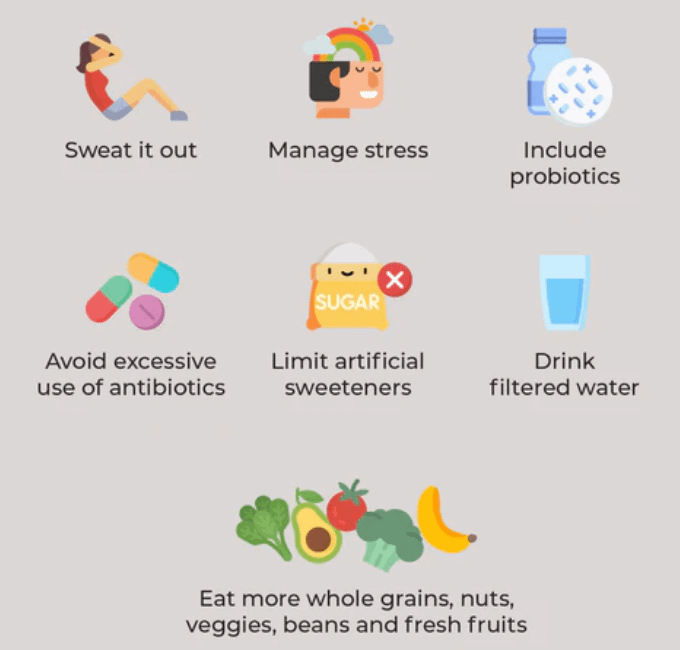
As you can see, a healthy gut microbiome is extremely important to the proper functionality of the immune system. So, what can we do to ensure diversity of the gut microbiota? You will recognize several of the items listed below as I have mentioned them in other articles: