Life Before the Lake – Have you heard of “The 56”
- Uncategorized

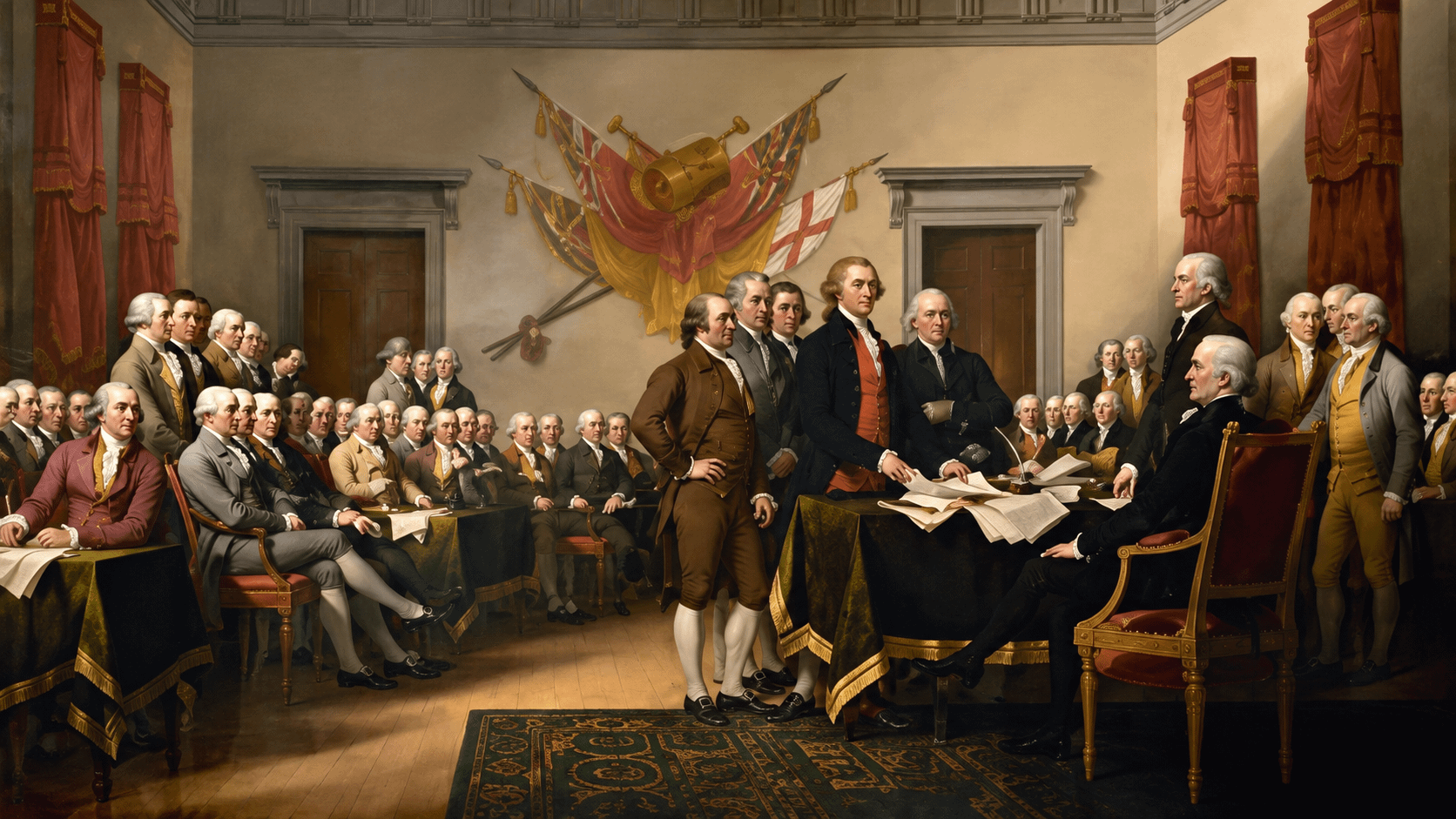

I hope you will allow me to digress a little. In my research, I stumbled on some interesting facts about the original signers of the Declaration of Independence and just had to share them with you. In the future, I will sprinkle some of these between local stories. The articles will be titled, “The 56”. While these stories may not be “local”, they did actually happen “Before the Lake”.
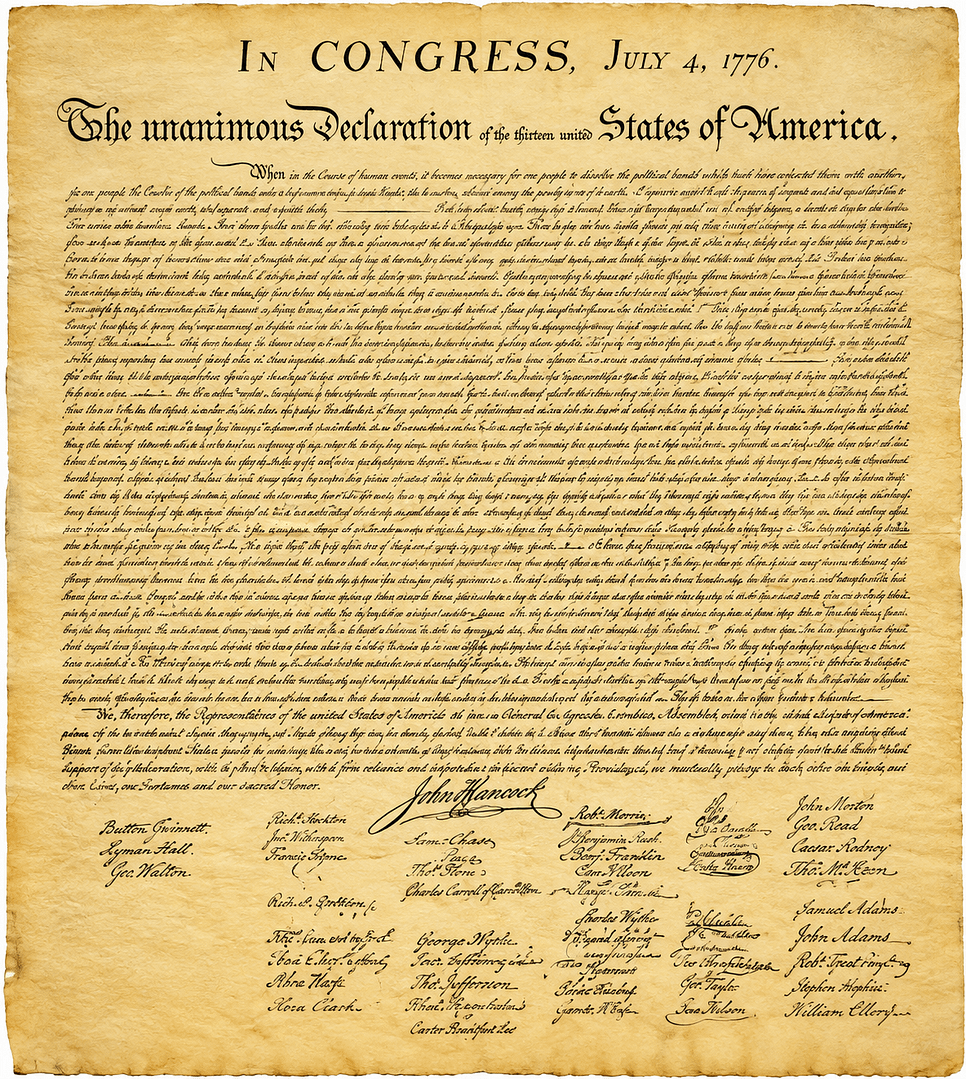
We all know the Declaration of Independence and the date—July 4, 1776. But the famous parchment bearing the signatures of the 56 delegates did not exist that day.
Congress ordered the document engrossed on July 19, and most of the delegates signed it on August 2. Others signed later, while some who supported independence never signed the parchment.
Before you want to correct my grammar, on July 19, 1776, the Second Continental Congress officially ordered the Declaration of Independence to be “fairly engrossed on parchment,” meaning it was to be neatly copied down by hand in a large, elegant script. (According to the National Archives) It was transcribed between July 19th and August 2nd by Timothy Matlack, a clerk and assistant to Secretary Charles Thompson on a large sheepskin parchment.
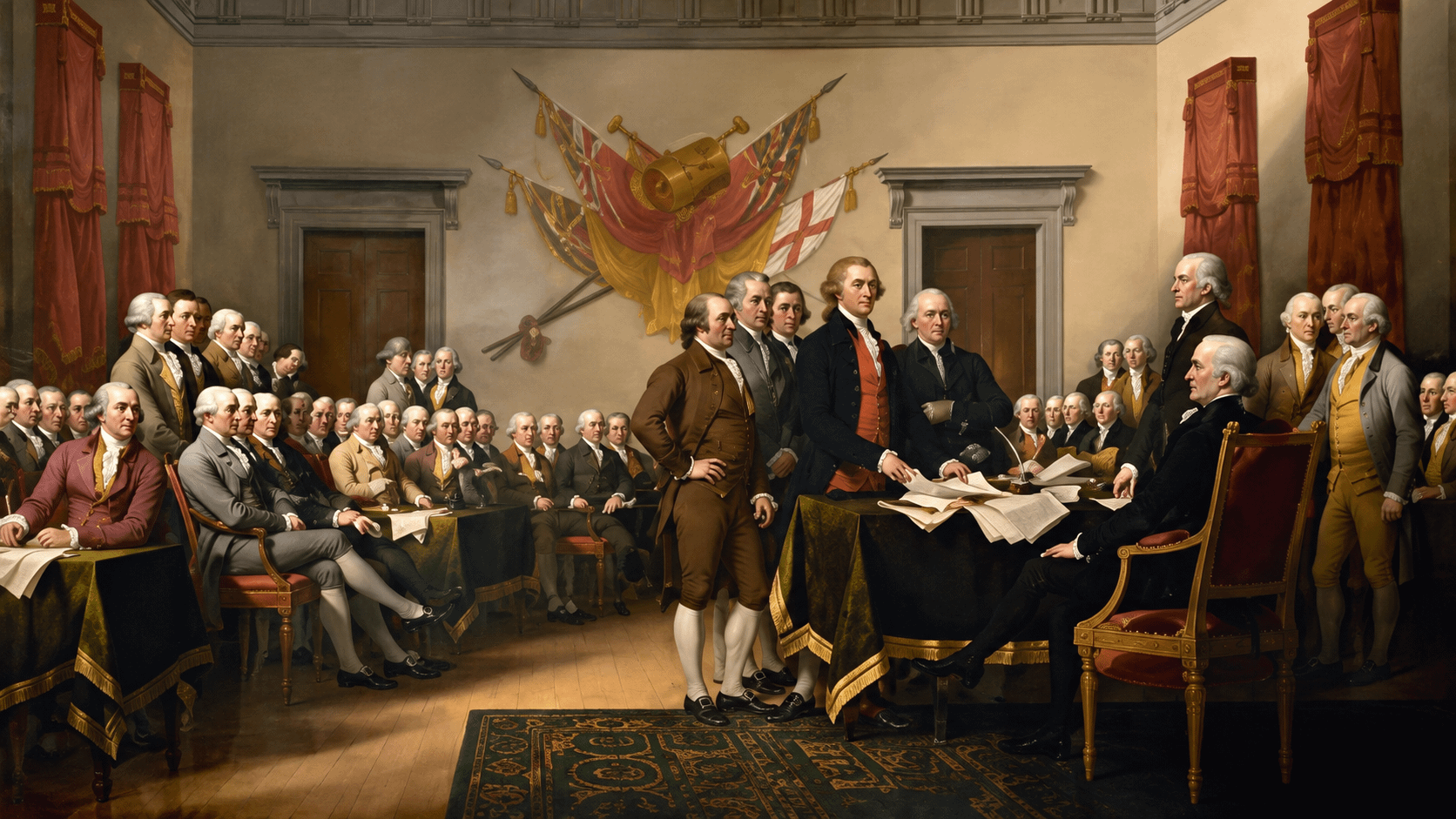
They came from remarkably different backgrounds—lawyers, merchants, planters, physicians, ministers, farmers and military officers. They did not all begin the Revolution with the same views, but they shared one consequential decision: to put their names on a declaration separating the colonies from Great Britain.
The Declaration’s closing pledge of their “Lives,” “Fortunes” and “sacred Honor” made the stakes clear.
But the story did not end when the ink dried.
What happened to the 56 after they signed?
In The 56, we will explore what became of these men after that extraordinary moment. For Life Before the Lake, we’ll begin with the three men who signed for North Carolina: William Hooper, Joseph Hewes and John Penn.
None lived around today’s Lake Norman, but their stories take us back to a North Carolina that existed generations before the lake—and to three men who helped shape the nation that would eventually shape the state.
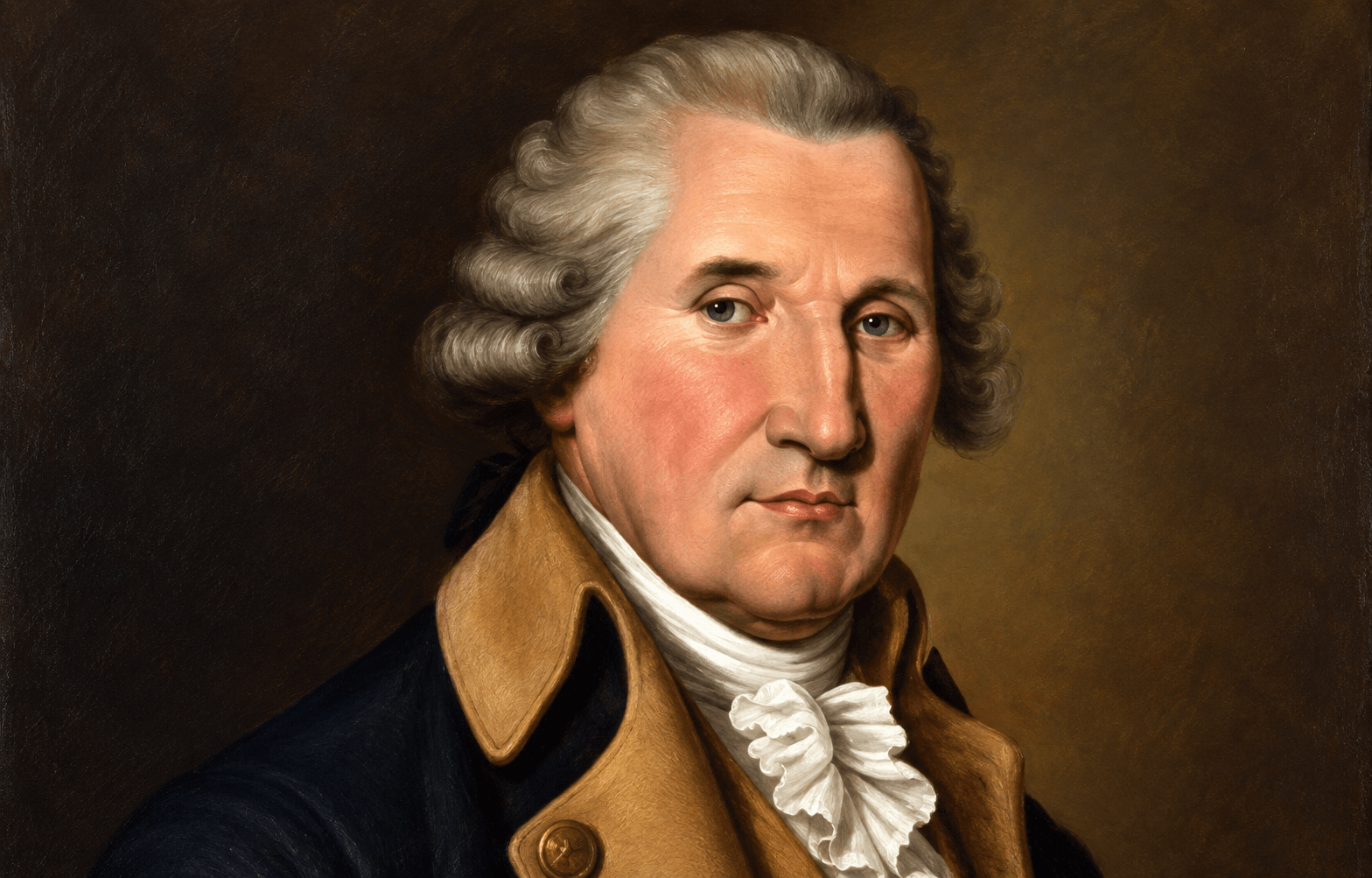
William Hooper’s path to the American Revolution began far from North Carolina.
Born in Boston on June 28, 1742, Hooper was the eldest of five children in a family of Scottish immigrants. His father was a Congregationalist minister who later became an Anglican and expected his son to follow him into the ministry.
Hooper had other plans.
He attended Boston Latin School, graduated from Harvard in 1760 and studied law under James Otis, a prominent Boston attorney and outspoken critic of British policies.
In 1764, Hooper moved south to Wilmington and began practicing law. He quickly established himself in North Carolina’s legal and political circles, serving as a circuit court lawyer for the Cape Fear region, deputy attorney for the Salisbury District and later deputy attorney general of North Carolina.
His early political views were not those of a revolutionary. Hooper initially supported the colonial government and even assisted Governor William Tryon in suppressing the Regulator movement, an uprising by backcountry farmers protesting taxes, court fees and government corruption.
As tensions with Britain increased, however, Hooper’s political position changed.
By the early 1770s, he was involved in the growing resistance to British policies. In 1773, he was elected to represent Campbellton in the colonial assembly and became involved with the Committee of Correspondence and Inquiry, which helped colonial leaders communicate and organize their response to British actions.
In 1774, North Carolina selected Hooper as one of its delegates to the First Continental Congress. He traveled roughly 450 miles to Philadelphia, where representatives from the colonies gathered to confront their growing dispute with Britain.
Even before Congress met, Hooper predicted that the conflict would eventually lead to independence. The prediction earned him the nickname “Prophet of Independence.”
Hooper continued serving in the Second Continental Congress and worked alongside Thomas Jefferson on the committee responsible for drafting the Declaration of Independence. On August 2, 1776, he signed the document along with the other members of North Carolina’s delegation.
His health eventually forced him to leave Congress. Suffering from recurring illnesses, including malaria and yellow fever, he returned to North Carolina and resumed his legal career.
Hooper died in Hillsborough in 1790.
His journey from a Boston minister’s son to a North Carolina revolutionary illustrates how the movement toward independence drew people from different backgrounds into a common cause.
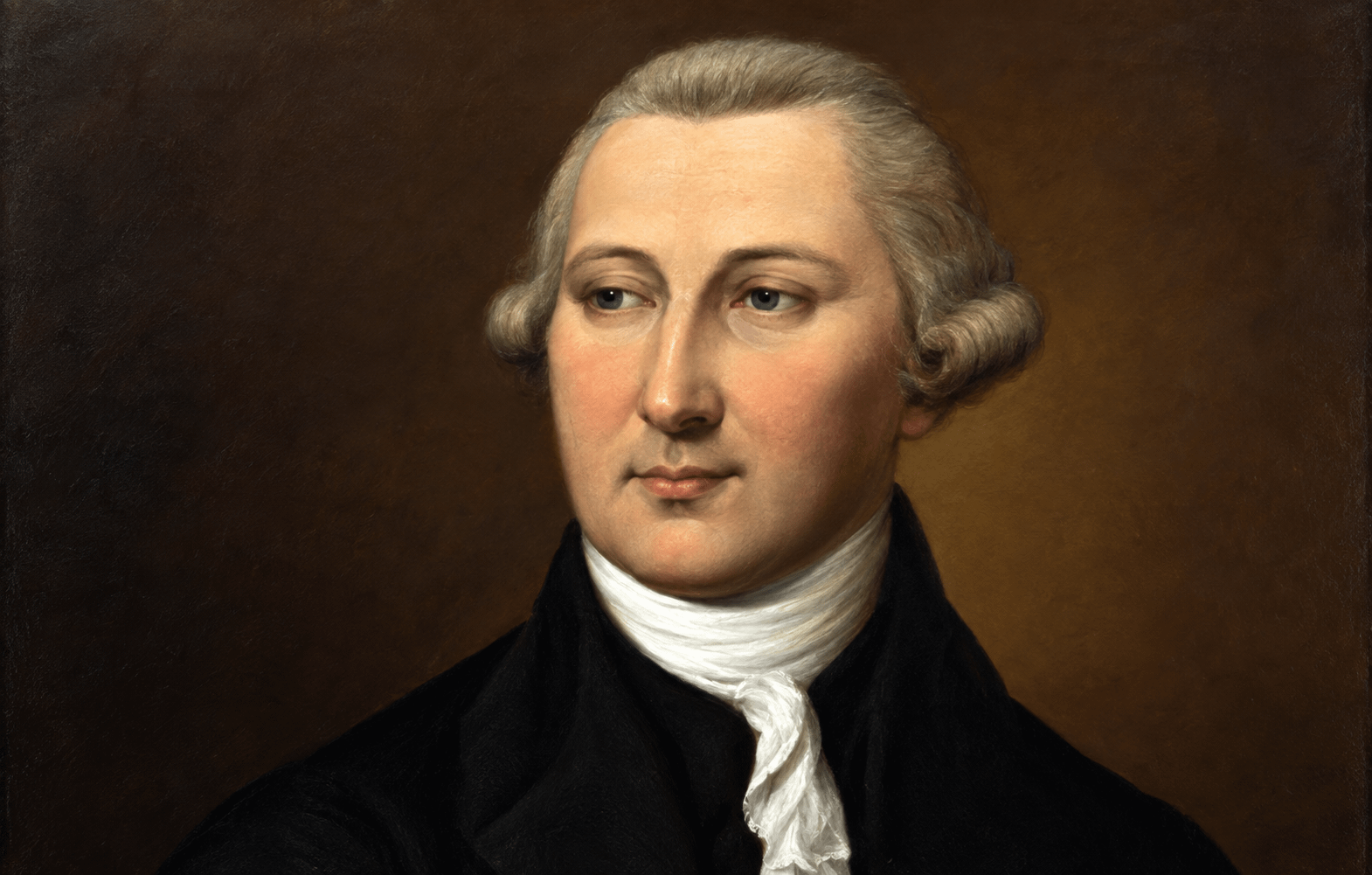
Joseph Hewes came to the Revolution from the world of commerce.
Born in 1730, Hewes eventually settled in Edenton, where he became a successful merchant and one of the town’s leading businessmen. His business career began in Philadelphia, where he apprenticed under merchant Joseph Ogden. In 1755, he moved to Edenton and entered into business with Charles Blount and others through Blount, Hewes and Company.
Edenton was an important center of trade in colonial North Carolina. Hewes understood the practical challenges of moving goods, managing supplies and conducting business in a world where transportation depended heavily on roads, rivers and ships.
Those skills became valuable when political disagreement turned into war.
Hewes became active in North Carolina politics and was selected as one of the state’s delegates to the Continental Congress. On August 2, 1776, he signed the Declaration of Independence alongside Hooper and Penn.
His work did not stop there.
As the colonies prepared for war, Congress faced the difficult task of creating institutions for a nation that did not yet exist. One of the most immediate challenges was protecting American interests at sea.
In October 1775, Congress authorized the construction of warships and appointed Hewes to the Naval Board Committee. His experience as a merchant made him particularly useful in acquiring and outfitting vessels and securing the supplies needed by the Continental Navy.
Hewes also helped secure a commission for John Paul Jones, who would become one of the Revolution’s most famous naval officers.
The Continental Navy remained small compared with the British Royal Navy and was eventually disbanded after the war. Its creation, however, demonstrated the practical work required to turn the idea of independence into a functioning government.
Hewes died in 1779, only a few years after signing the Declaration.
His story reminds us that the Revolution required more than soldiers on battlefields. It also required merchants, administrators and craftsmen who could help build the institutions needed by a new nation.
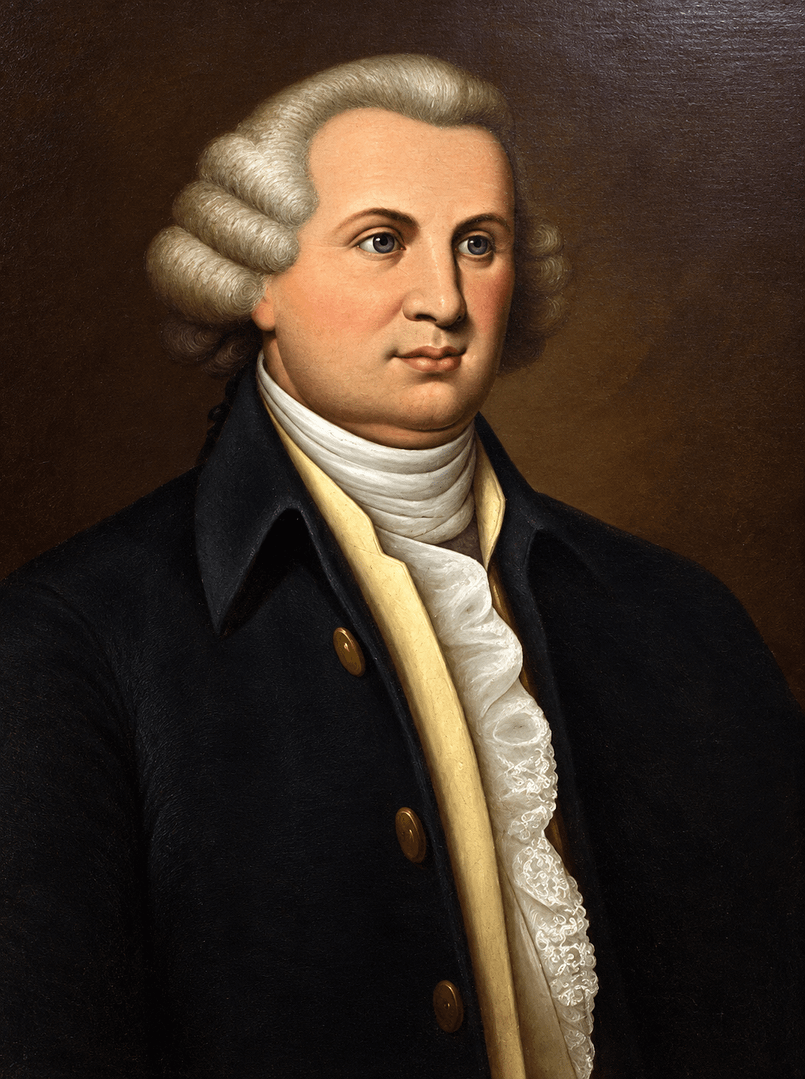
John Penn’s story begins in Virginia but becomes firmly rooted in North Carolina.
Born on May 17, 1741, near Port Royal in Caroline County, Virginia, Penn received little formal education. After his father’s death when Penn was eighteen, he studied law privately with his uncle, Edmund Pendleton, a prominent Virginia lawyer and political leader.
Penn was admitted to the Virginia bar in 1762. The following year, he married Susannah Lyne, and the couple eventually had three children.
In 1774, Penn moved south and settled near Stovall in Granville County, North Carolina. Within a year, he was participating in the colony’s revolutionary government.
In August 1775, he served as a representative to North Carolina’s Third Provincial Congress. That same year, he was elected to the Continental Congress and was subsequently reelected in 1777, 1778 and 1779.
On August 2, 1776, Penn signed the Declaration of Independence with Hooper and Hewes. At thirty-five, he was one of the younger members of the North Carolina delegation.
Penn later signed the Articles of Confederation and, in 1780, was appointed to North Carolina’s Board of War.
After his congressional service, Penn returned to North Carolina and continued practicing law and participating in public affairs. He died on September 14, 1788, at the age of forty-seven.
His contribution was remembered long after the Revolution. In 1936, North Carolina erected a historical highway marker near his former home in Stovall—the first historical highway marker erected by the state.

Hooper, Hewes and Penn followed different paths to the Continental Congress, but on August 2, 1776, those paths converged when all three signed the Declaration of Independence as representatives of North Carolina.
Nearly two centuries later, the Catawba River valley underwent another defining transformation. Construction of Cowans Ford Dam in the late 1950s created Lake Norman, covering portions of the old river valley and changing the landscape forever. Farms, roads, homes and communities that had existed for generations disappeared beneath the rising water.
The three signers never knew Lake Norman, but their stories belong in Life Before the Lake because they take us back to a North Carolina that existed generations before the lake—a time when the state was still being shaped and three of its representatives were helping shape a new nation.
Before Lake Norman became part of our landscape, North Carolina already had a history of its own. William Hooper, Joseph Hewes and John Penn were three of the men who helped write that history.
Their signatures on the Declaration of Independence connect North Carolina to one of the defining moments in American history and remind us that the story of this region began long before the lake ever appeared on the map.
As mentioned before, I have lived in Huntersville my entire life. We actually trace my family’s history back for eight generations. When folks hear this, they ask, “What was life like before the lake?” and that question inspired me to research the history of the area. These articles are the result of those questions. I plan to continue researching and writing articles about “Life Before The Lake” and posting them on www.Lknconnect.com’s website.
You searched for Life Before the Lake | LKNConnect Community
Please enjoy and share these with your friends. You can follow me on Lknconnect.com. I will be posting each Friday. If you have suggestions about future articles, email me at Dbeard@Lknconnect.com with ideas.