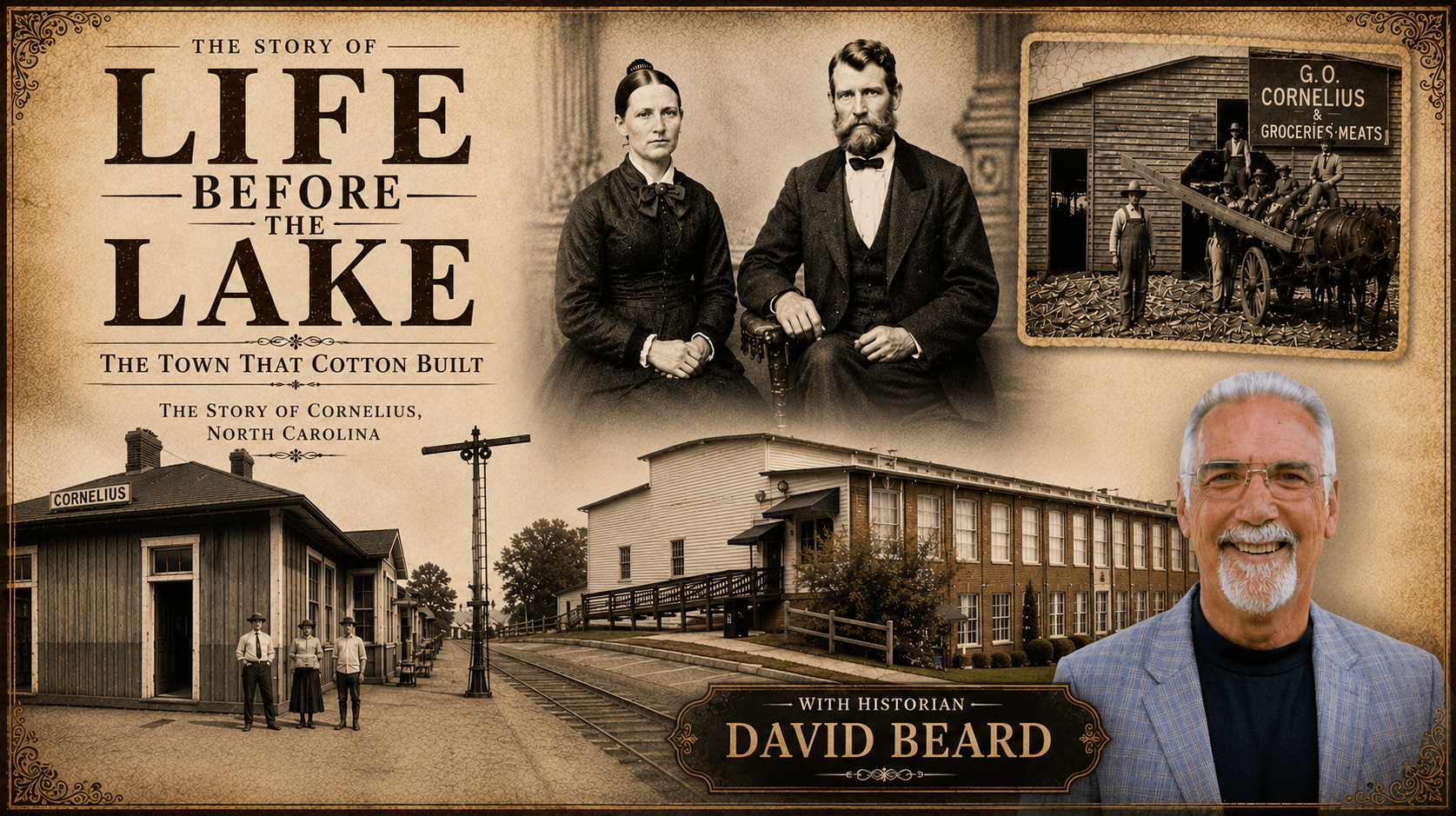

Every town has a story.
Some begin with a railroad. Others grow around a courthouse or a river crossing. Cornelius owes its beginnings to fertile farmland, the cotton trade, two visionary businessmen—and a muddy road.
Long before Lake Norman transformed northern Mecklenburg County, this landscape was a patchwork of farms, forests, and narrow dirt roads connecting scattered communities. There were no waterfront neighborhoods or bustling downtowns. Life revolved around the land, and each season brought its own demands.
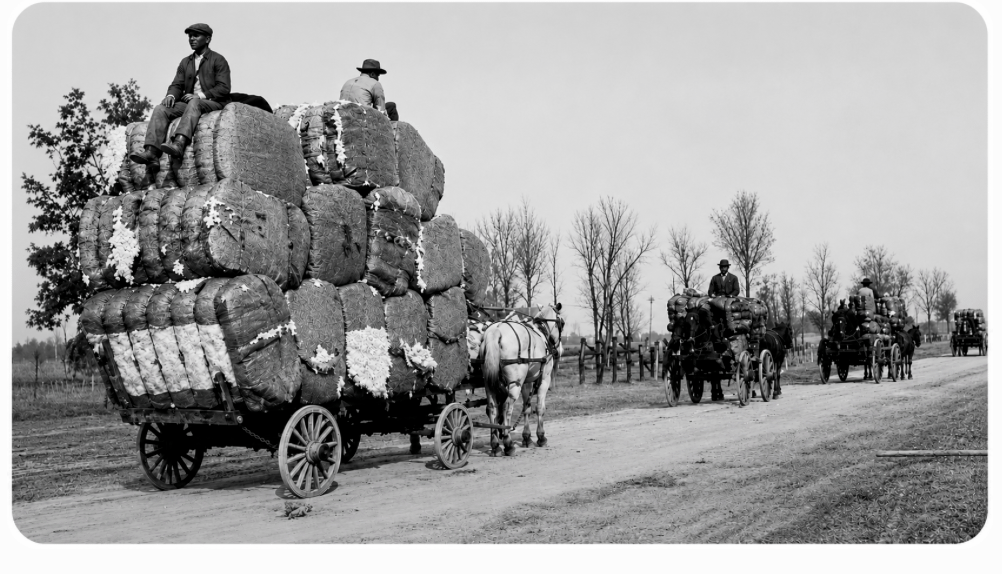
Cotton was the region’s economic lifeblood. Families spent months planting, tending, and harvesting the crop, knowing that a successful season meant paying debts, improving the farm, and providing for the year ahead. Once the harvest was complete, wagons loaded with cotton made their way to Davidson, the area’s principal cotton market, where merchants weighed and purchased each bale before shipping it to textile mills across the South.
The journey was not always easy.
After heavy rains, the steep roads leading into Davidson often became deeply rutted, making travel slow and difficult. Rather than risk the climb, many farmers stopped at a cotton buying station owned by Richard Jordan “R. J.” Stough just south of town. They simply wanted a convenient place to sell their harvest.
They had no idea they were helping shape the future.
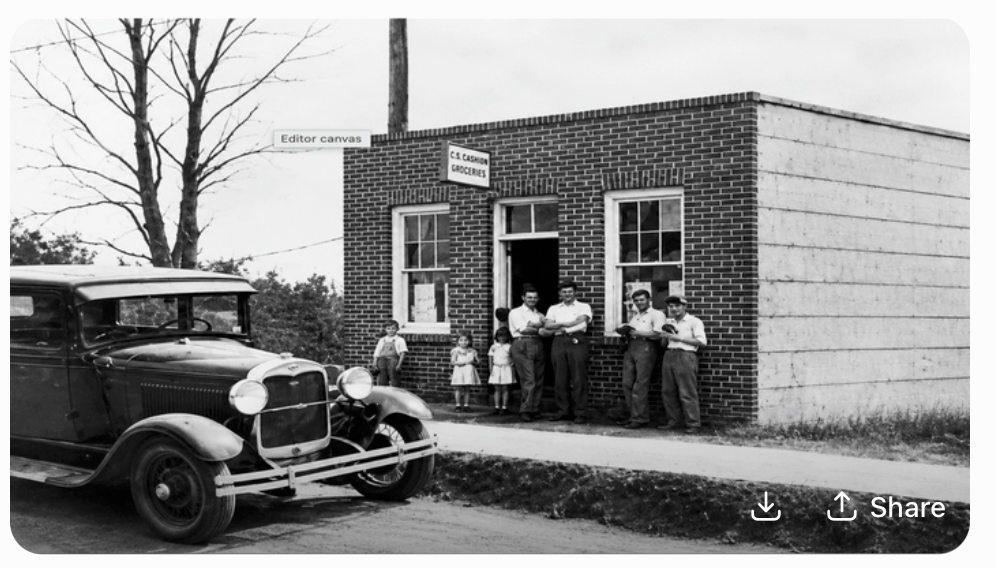
As more farmers chose Stough’s buying station, commerce gradually shifted in that direction. Merchants recognized the opportunity, businesses followed, and what had once been a quiet crossroads began to emerge as the center of a growing community.
Stough saw more than a successful cotton market. He envisioned a place where cotton could be processed as well as sold—a community that would provide steady jobs, attract new businesses, and create opportunities for generations to come. That vision, shared with another local businessman named Joseph Benjamin Cornelius, would eventually give birth to the town that bears his name.
To understand the town that exists today, we must first understand the world that existed before there was a Cornelius.
Before there was a town called Cornelius, there was a farming community.
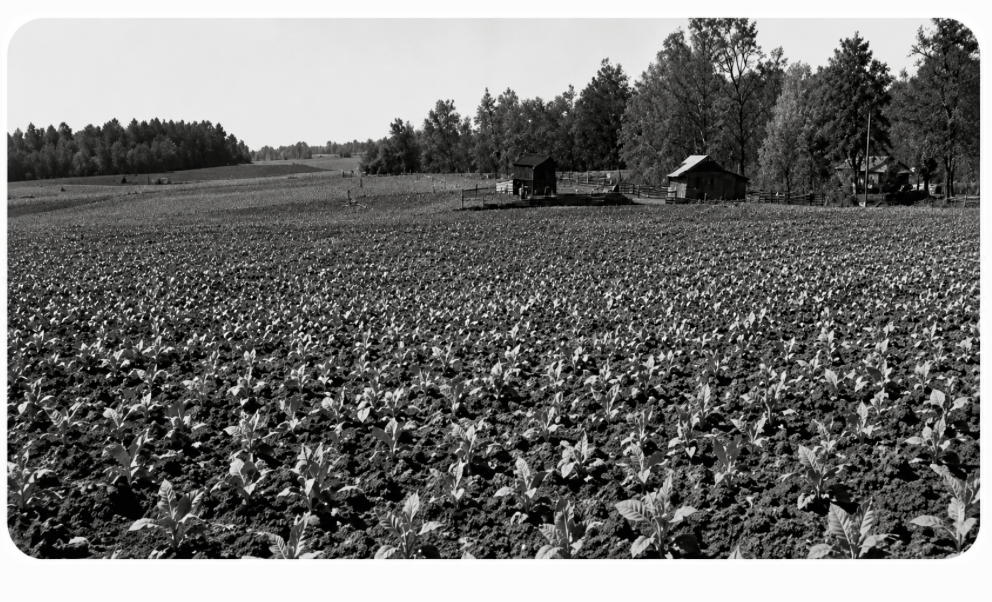
Throughout the nineteenth century, northern Mecklenburg County was a landscape of family farms where life followed the rhythm of the seasons. Most families raised much of what they needed, cared for livestock, and relied on neighbors during planting and harvest. Churches served as the center of community life, while one-room schools educated children whenever farm work allowed.
Above all else, the region depended on cotton.
Each autumn, fields turned white as the crop reached maturity, and families worked together to harvest every boll by hand. Cotton was more than a crop—it was the foundation of the local economy. The income from each harvest paid debts, purchased supplies, and determined whether a family prospered or struggled through another year.
Once the harvest was complete, the wagons began rolling toward Davidson.
As the area’s principal cotton market, Davidson was where farmers sold their crop, buyers judged its quality, and each bale was carefully weighed before being shipped to textile mills across the South. During harvest season, the town came alive with wagons, merchants, and farmers exchanging news while waiting their turn at the scales.
The weighing of cotton was a matter of trust.
A difference of only a few pounds could affect a family’s income, making accurate scales essential. As cotton production increased, so did the importance of Davidson’s role in the regional economy. Few people realized that the very system bringing prosperity to the town would soon spark a disagreement that changed the course of local history.
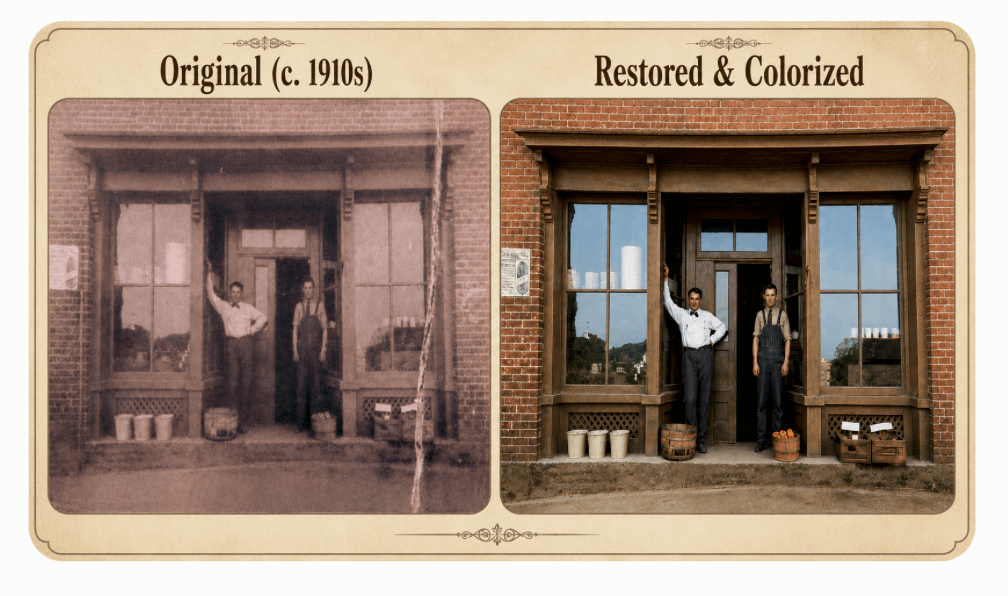
Every wagon represented more than a harvest—it represented opportunity. If farmers were already bringing thousands of bales of cotton to this part of Mecklenburg County each year, why should the crop be shipped elsewhere for processing? Why not build an industry where the cotton was already grown?
Not far away, another respected businessman shared a similar belief in the region’s future. Joseph Benjamin Cornelius had built a reputation as a successful farmer, landowner, and investor whose confidence in northern Mecklenburg County would soon prove just as important as Stough’s entrepreneurial vision.
Neither man knew it yet, but a dispute over something as ordinary as weighing cotton would soon bring their paths together.
That disagreement would become the turning point in the story of Cornelius.
History is often shaped by unexpected moments.
For Cornelius, the turning point was not a battle or a political decision. It was a disagreement over how cotton should be weighed.
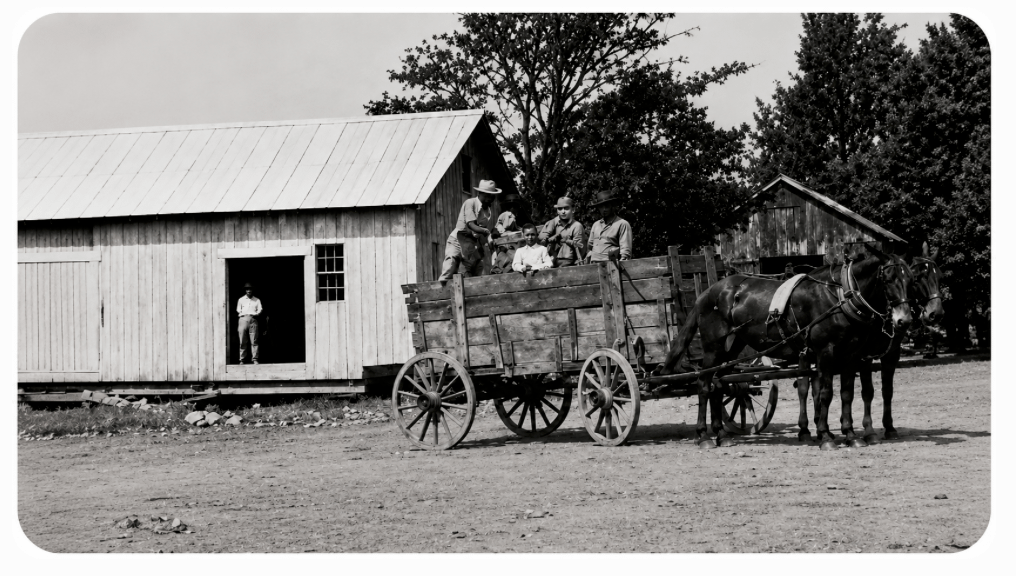
By the late nineteenth century, Davidson had become the center of the cotton trade in northern Mecklenburg County. Every harvest season, farmers brought wagonloads of cotton to town, where buyers inspected each bale before it was weighed and sold. Because cotton was the region’s most valuable crop, farmers depended on an honest and accurate weighing process.
As the cotton market grew, disagreements emerged over the need for an official cotton weigher—a neutral individual whose certified scales would determine the weight of every bale. The issue divided local business interests and became one of the most debated topics in Davidson.
When the matter was finally settled, one of Davidson’s cotton-buying firms chose to move its operations just south of town to a buying station operated by Richard Jordan “R. J.” Stough.
At first, the move seemed insignificant.
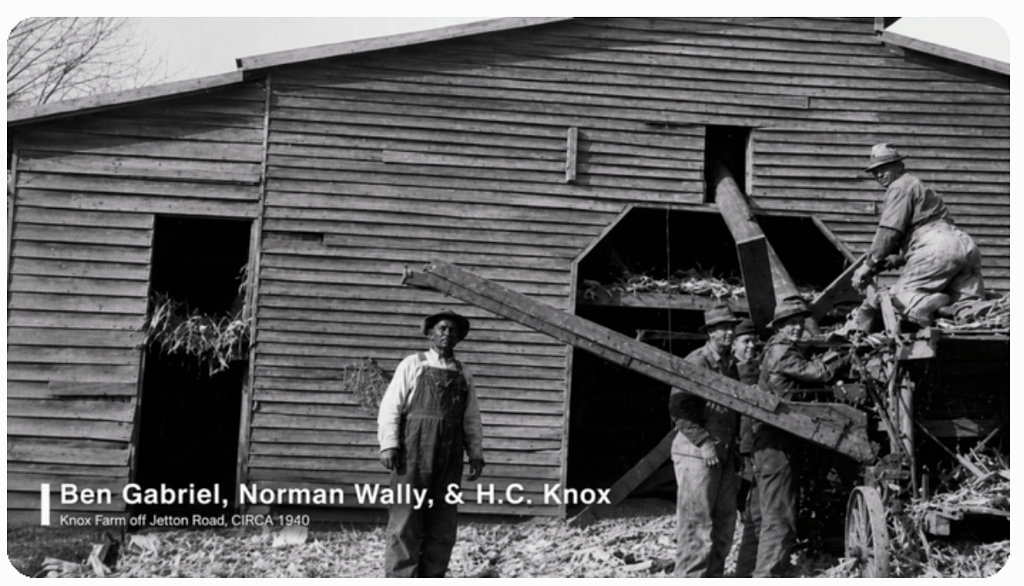
Businesses relocated from time to time, and no one imagined that this decision would alter the future of the area. But farmers appreciated the convenience of Stough’s location, especially after heavy rains turned the steep roads into Davidson into deep mud. Instead of struggling to reach town, many chose to sell their cotton at Stough’s buying station.
With each passing harvest, more wagons arrived.
What had been a simple cotton market quickly became a busy center of commerce. Merchants followed the farmers, and new business opportunities began to emerge. Stough realized that he was witnessing something much larger than a successful buying operation.
He saw the beginnings of a town. Most people looked at the growing trade and saw cotton.
Stough saw possibility.
If cotton could be bought here, why couldn’t it also be spun into yarn and cloth? A textile mill would provide year-round employment, attract new businesses, and encourage families to settle nearby. Instead of being a seasonal marketplace, the crossroads could become a permanent community.
It was an ambitious idea, but one man could not accomplish it alone.
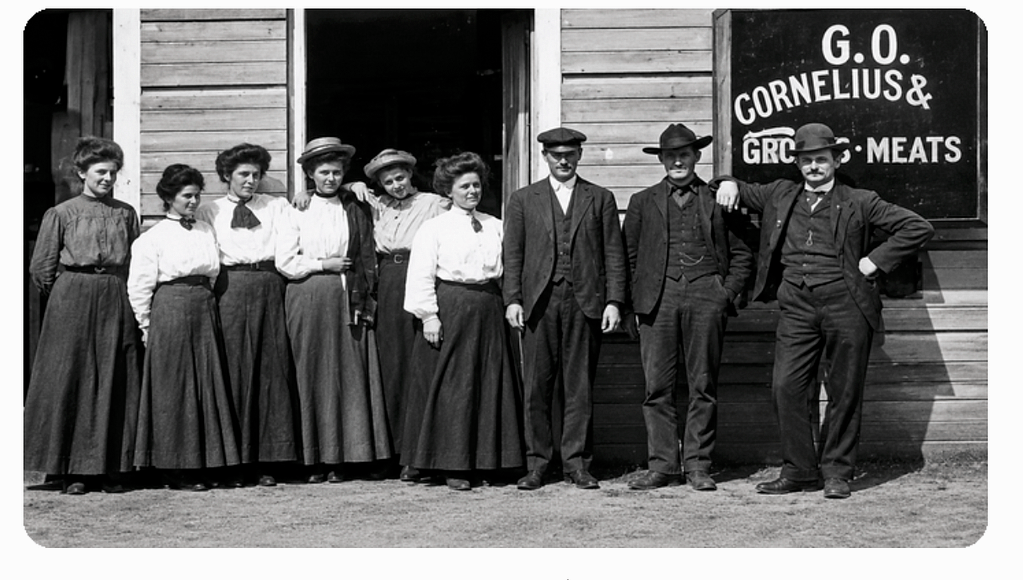
Building a cotton mill required land, capital, and a partner who believed in the same future.
Stough knew exactly who that person was.
Just a few miles away lived Joseph Benjamin Cornelius—a successful farmer, businessman, and landowner whose vision and resources would prove essential in turning an entrepreneur’s dream into a thriving town.
Together, the two men would build far more than a cotton mill.
They would lay the foundation for Cornelius.
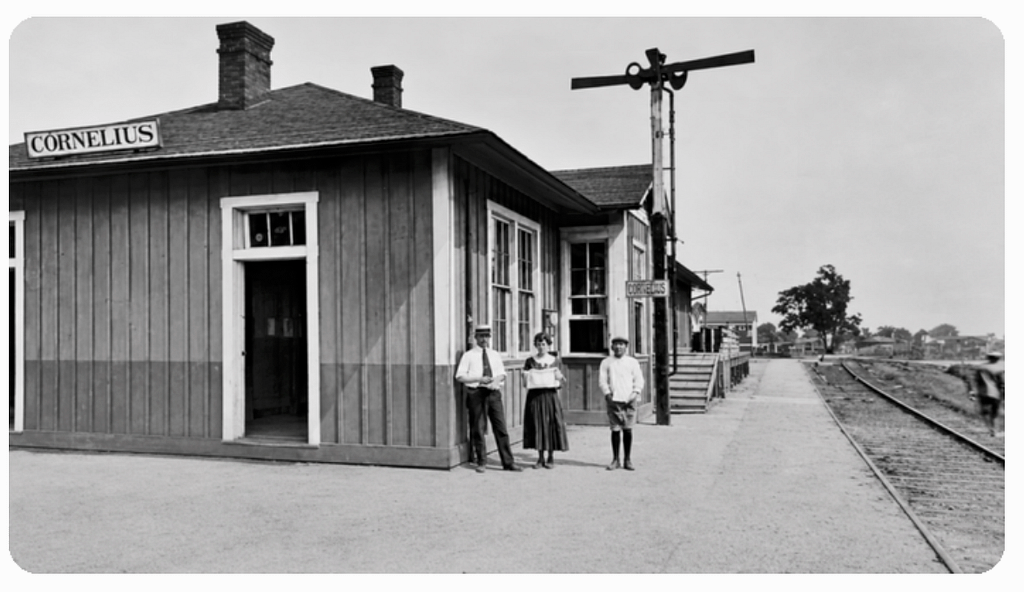
Richard Jordan “R. J.” Stough had proven that a simple cotton buying station could become the center of a growing business district. But he believed the community’s future depended on something much larger than buying and selling cotton.
He envisioned a textile mill.
A mill would create year-round jobs, encourage new businesses, and transform a rural crossroads into a permanent community. It was a bold idea, but it required more than determination. It needed land, capital, and someone willing to invest in a future that had yet to be built.
That partner was Joseph Benjamin Cornelius.
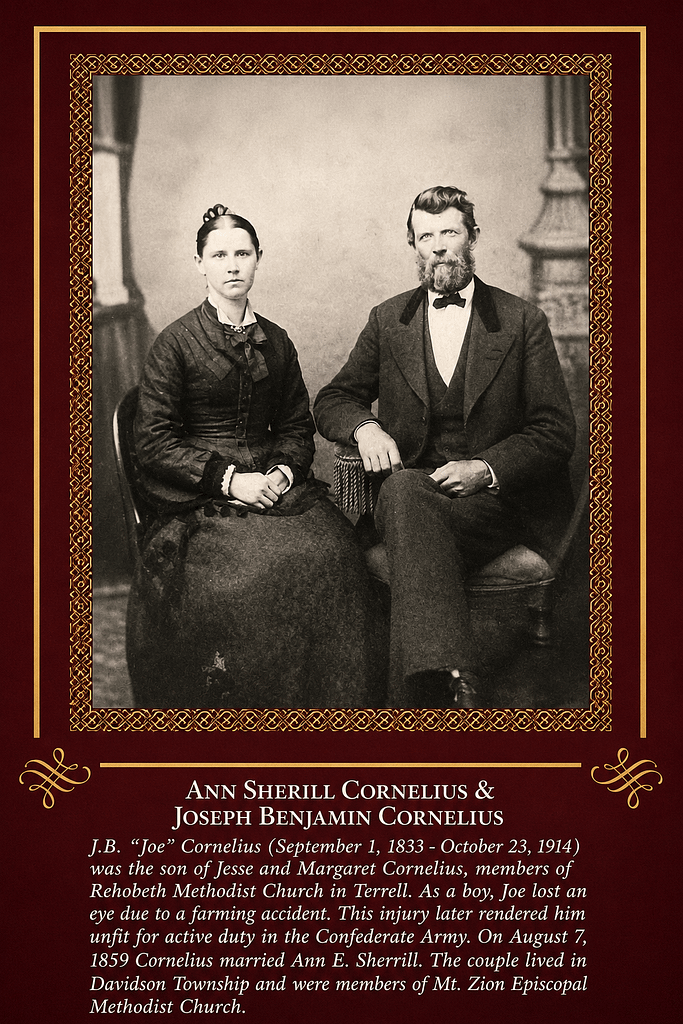
Long before the town carried his name, Cornelius had established himself as one of northern Mecklenburg County’s most respected farmers, landowners, and businessmen. He purchased extensive acreage in the area in 1855 and built a successful farming operation centered on cotton. Over the years, he expanded his business interests, acquiring valuable land along the Catawba River and operating a ferry that connected communities long before bridges crossed the river.
His reputation extended beyond business. Cornelius served as a Justice of the Peace and later represented Mecklenburg County in the North Carolina General Assembly. He was known as a thoughtful leader whose judgment earned the respect of neighbors and fellow businessmen alike.
Together, Stough and Cornelius organized the Stough-Cornelius Cotton Mill. When it opened in 1891, with approximately 1,000 spindles and about 45 employees, it offered steady employment and transformed the surrounding countryside. Families settled nearby, businesses expanded, and the growing mill village became the foundation of a new town.
Neither Stough nor Cornelius set out simply to build a mill.
They set out to create opportunity.
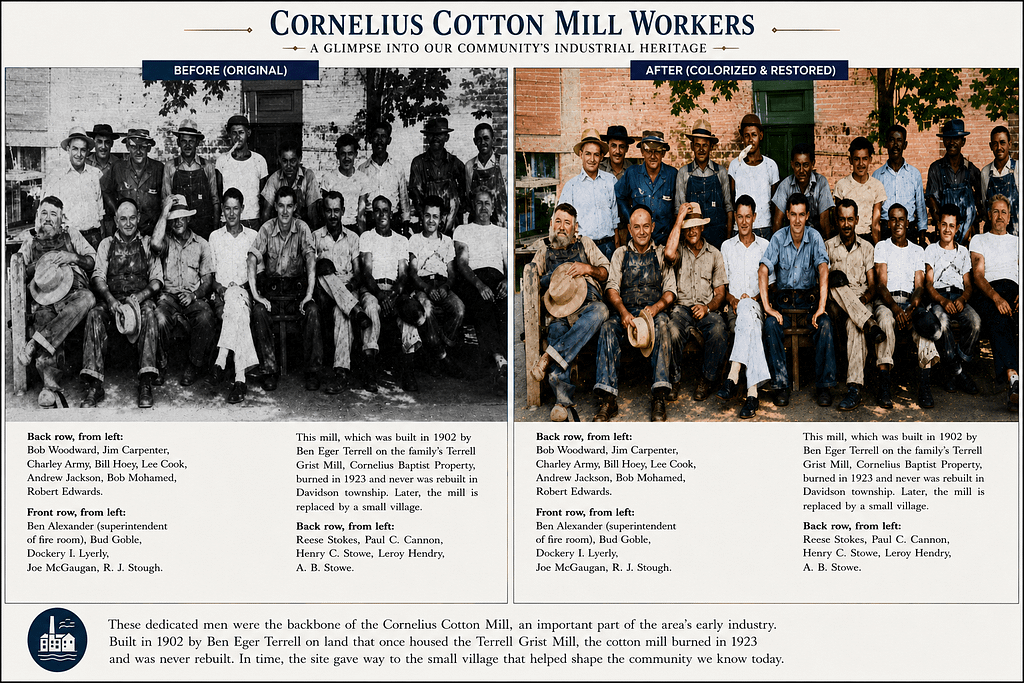
The success of the Stough-Cornelius Cotton Mill quickly transformed the countryside.
What had once been a crossroads where farmers sold cotton became a growing mill village. Workers settled nearby, homes were built, merchants opened stores, and churches and schools expanded to serve a rising population. For many families, the mills offered something farming alone could not—steady, year-round employment.
Growth attracted more growth.
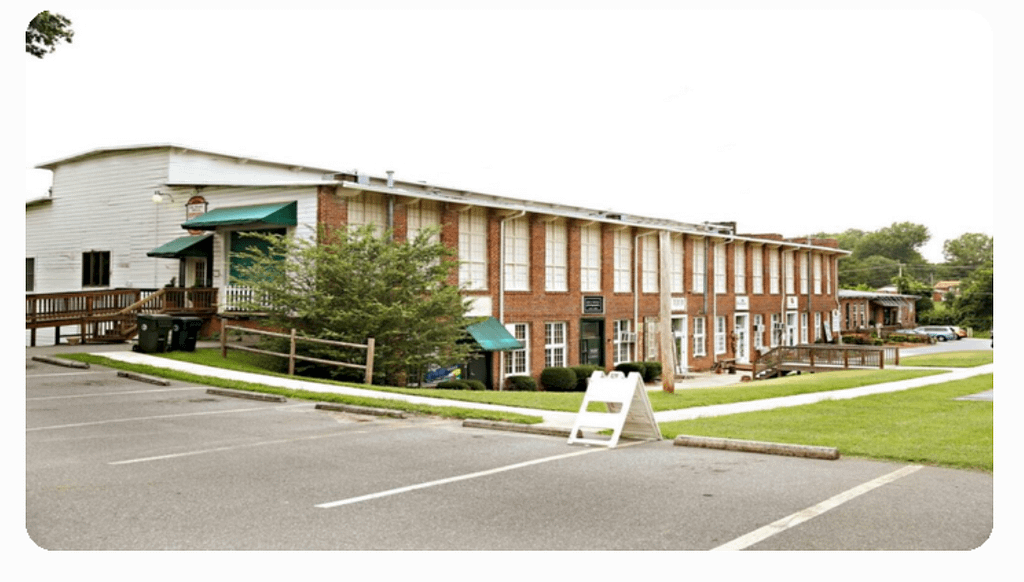
In 1905, the Gem Yarn Mill opened, bringing additional jobs and strengthening the area’s textile industry. Together, the two mills established the community as one of northern Mecklenburg County’s leading manufacturing centers.
Before its incorporation, the settlement was often known as Liverpool, an informal name found in early records. As the village continued to grow, local leaders chose a name that honored one of the men whose vision had made the community possible.
They chose Cornelius.
Named for Joseph Benjamin Cornelius, the town was officially incorporated by the North Carolina General Assembly on March 4, 1905.
The railroad helped fuel its continued growth, connecting Cornelius with Charlotte, Statesville, and markets beyond. In just a few decades, a muddy crossroads had become a thriving town with an identity of its own.
The story of Cornelius is not just the story of cotton, mills, or railroads. It is the story of the people who built a community and passed it from one generation to the next.
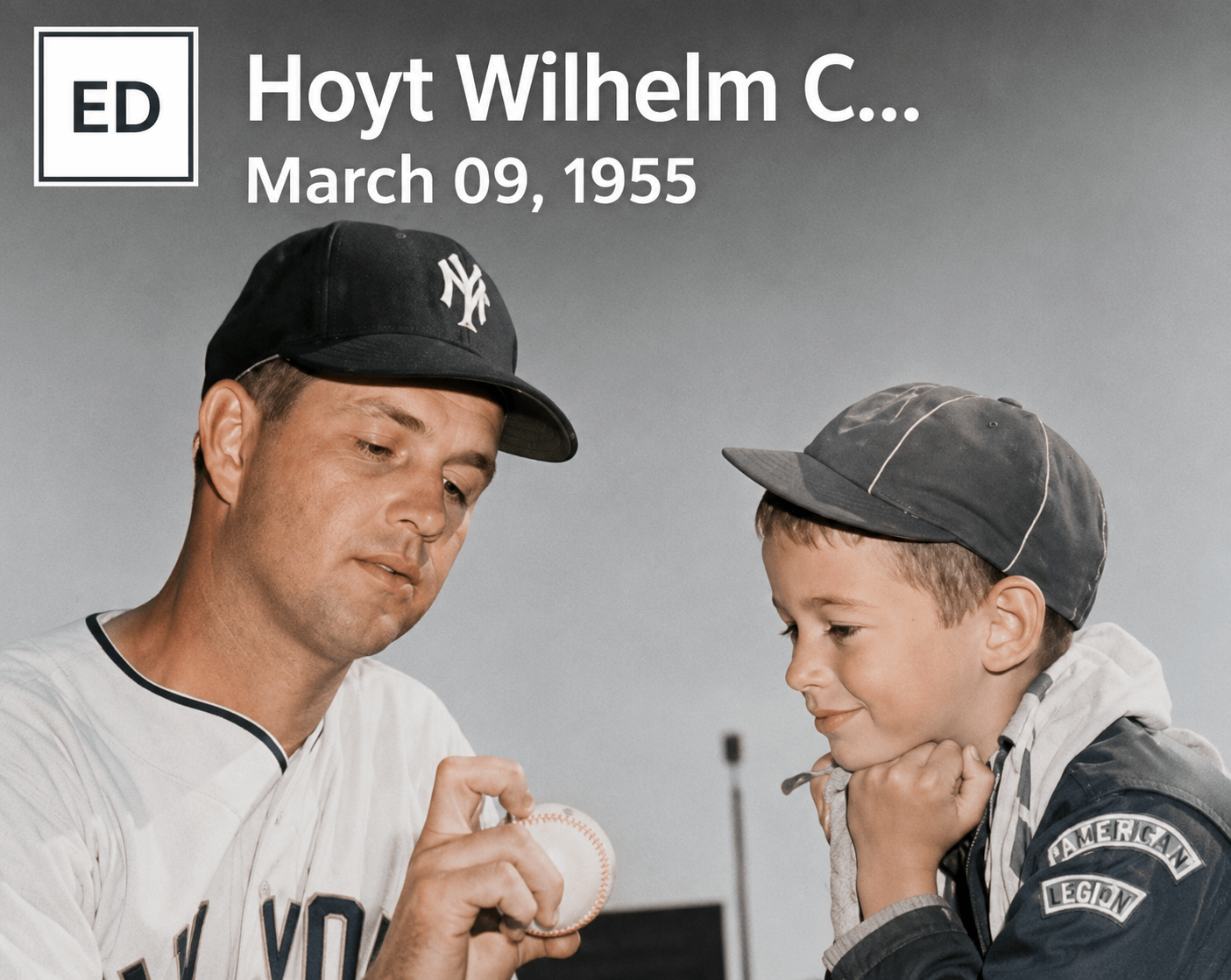
Among the town’s most celebrated sons was Hoyt Wilhelm, one of baseball’s greatest pitchers.
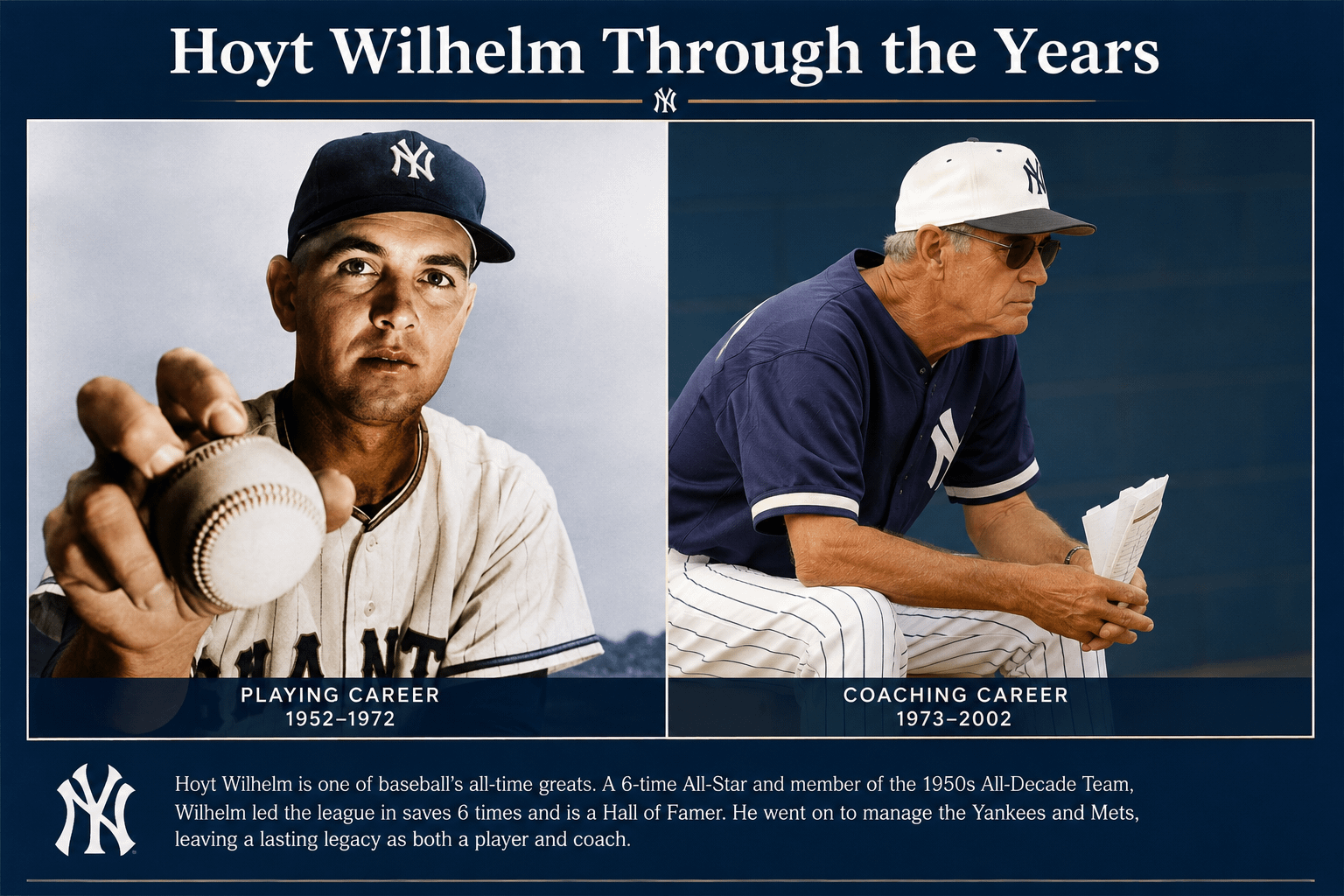
Born on July 26, 1922, near Huntersville, Wilhelm attended Cornelius High School, where he developed the knuckleball that would become his trademark. His baseball career was interrupted by World War II, when he served with the 395th Infantry Regiment, was wounded during the Battle of the Bulge, and received the Purple Heart.
Returning home, Wilhelm went on to an extraordinary Major League career. He debuted at age 29, became an eight-time All-Star, won a World Series with the New York Giants in 1954, threw a no-hitter in 1958, and was inducted into the National Baseball Hall of Fame in 1985.
His story reflects the values that have long defined Cornelius—hard work, perseverance, and humility.
But Wilhelm was only one of countless people who shaped the town. Farmers, mill workers, merchants, teachers, pastors, veterans, and civic leaders all played a role in building the community. Their names may not be widely known, but their legacy lives on in the churches they attended, the businesses they founded, and the neighborhoods they helped create.
Today, visitors are often drawn to Cornelius by Lake Norman and its vibrant downtown. Yet beneath the modern streets lies a much older story that began with cotton fields, a muddy road, and two men who believed a rural crossroads could become something more.
The muddy road is gone.
The community it helped create is not.
That is the enduring legacy of Cornelius.
People often ask me what life was like before Lake Norman.
Having lived in the Lake Norman area my entire life, with family roots in northern Mecklenburg County stretching back eight generations, I’ve always been fascinated by the stories hidden beneath the places we pass every day. While Lake Norman has shaped our region for more than sixty years, the communities surrounding it have histories that reach back generations before the lake was ever imagined.
As I began researching those stories, I realized many of them were slowly being forgotten. The people who built these towns, the businesses they started, the churches they established, and the decisions they made created the foundation for the communities we enjoy today. Their stories deserve to be remembered.
That is why I created Life Before the Lake.
This series is my way of preserving the history of the Lake Norman region—one town, one family, and one story at a time. My hope is that these articles will encourage readers to look beyond today’s streets and storefronts, discover the remarkable people who came before us, and gain a deeper appreciation for the communities we proudly call home.
Cornelius is only the beginning.
There are many more stories waiting to be told.