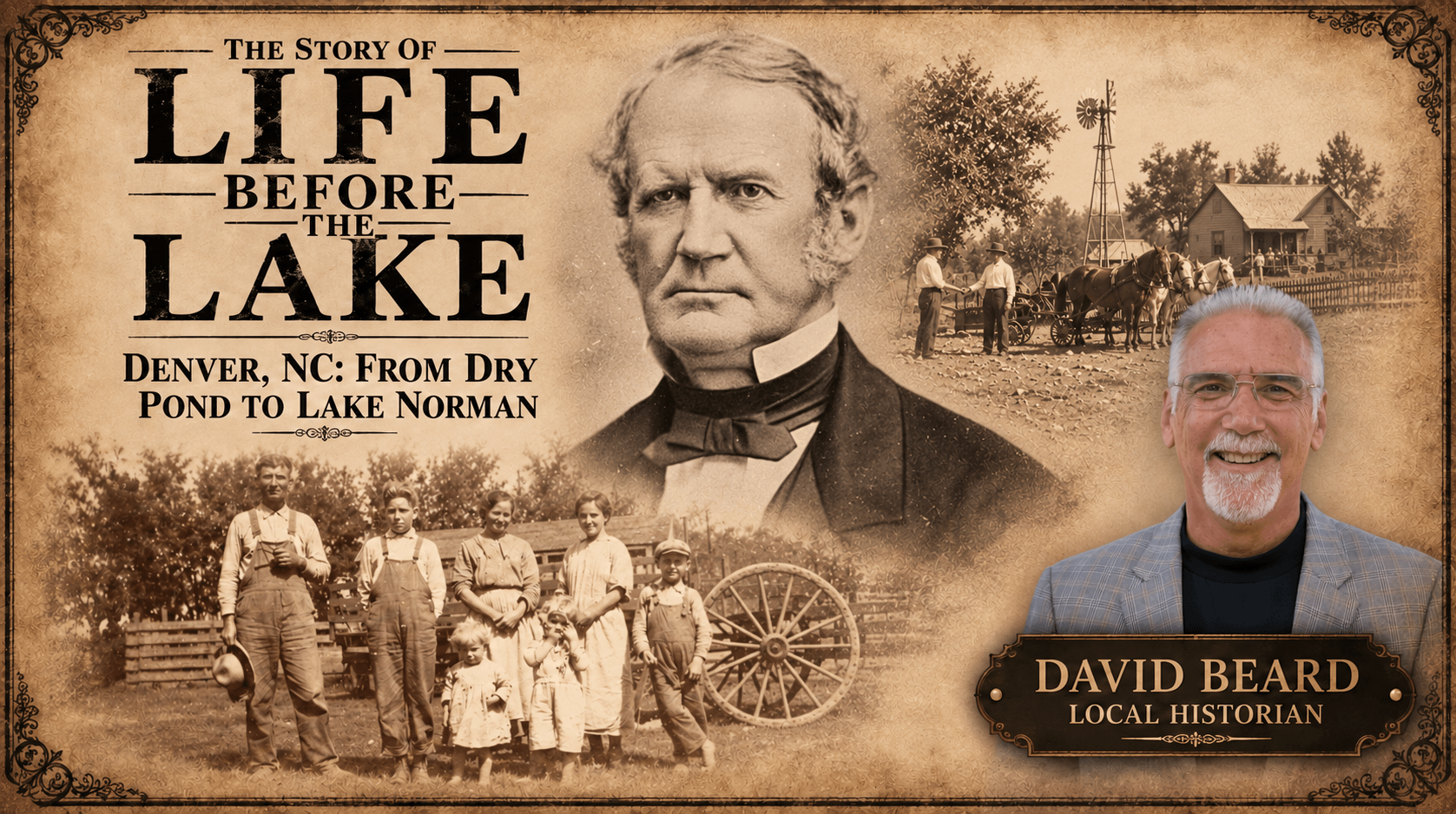

Before Lake Norman transformed the landscape, there was a small farming community in Lincoln County known as Dry Pond. The name came from a pond that often disappeared during the summer, but the community itself was anything but insignificant. Its story reaches back to the earliest European settlement along the Catawba River, when families established farms, churches and schools across the rolling countryside.
The story of Denver begins with the people who settled along the Catawba River in the eighteenth century. Adam Sherrill arrived in 1747, followed by John Beatty in 1749, and the names of these early families remain part of the landscape, most notably at Beatty’s Ford. As farms and communities developed, churches became equally important to the area’s identity. Early Presbyterian leaders included Dr. Humphrey Hunter and Robert Hall Morrison, the first president of Davidson College, while Methodist circuit rider Rev. Daniel Asbury helped establish the Methodist tradition that would eventually lead to Rock Springs Camp Meeting. Together, these early settlers, farmers, educators and ministers helped shape the community that would eventually become Denver.
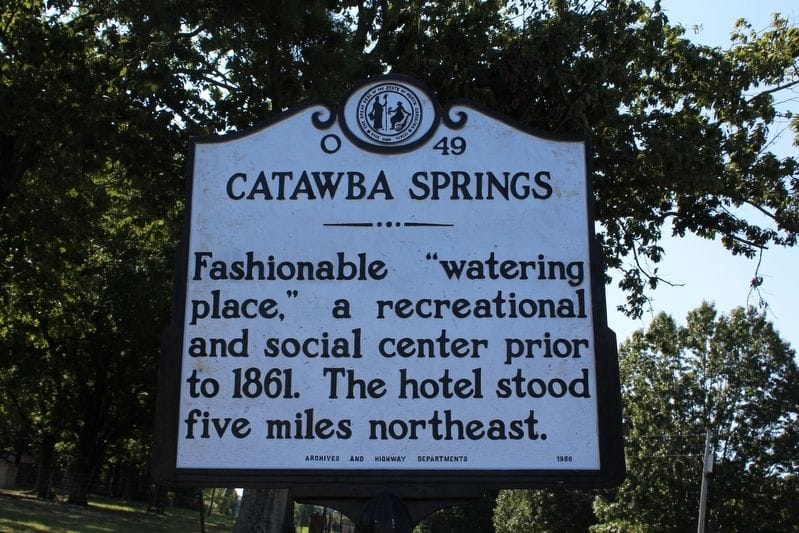
Long before the lake became a destination, the area was already attracting visitors. Beginning in the late 1700s, Catawba Springs became a popular resort built around seven mineral springs. Wealthy families from North and South Carolina and other Southern states traveled by stagecoach to escape the summer heat. In 1838, Joseph Hampton expanded the resort with a two-story, 100-room hotel, and during holidays as many as 500 guests could gather there. Visitors included prominent families such as the Grahams, Brevards, Alexanders, Caldwells, Davidsons and Polks.
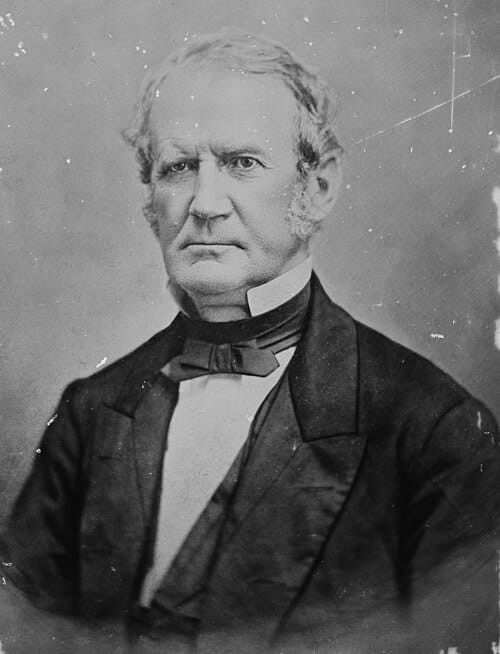
Among those connected to the area was William Alexander Graham (1804–1875), a Denver native who went on to become a United States senator from North Carolina, governor of North Carolina and United States Secretary of the Navy. His remarkable career is a reminder that this rural community was connected to the larger political and social life of North Carolina long before Lake Norman existed.
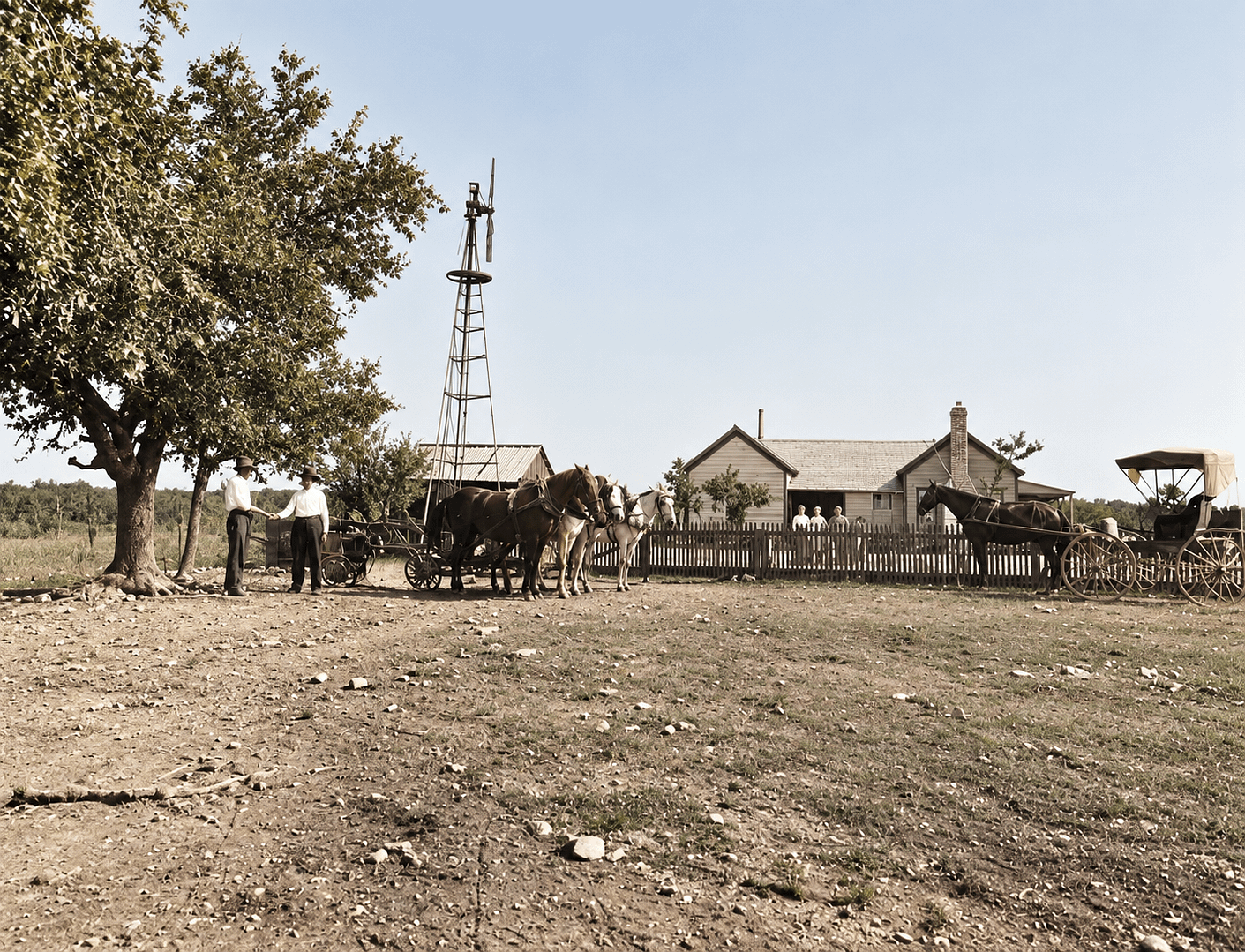
By the middle of the nineteenth century, Dry Pond was developing into a small community of its own. A post office was established before the Civil War, and in October 1874 John A. Kids became Denver’s first postmaster. The following year, mail from the Catawba Springs post office was transferred to Denver.
Local leaders were hoping to attract a railroad, and D. Matt Thompson, headmaster of Rock Springs Academy, became the leading advocate for changing the community’s post office name from Dry Pond to Denver in 1873. The new name, borrowed from the Colorado capital, was intended to give the community a more promising image and help attract economic development, particularly the railroad that local residents hoped would come their way.
The name survived. The railroad did not.

Denver was incorporated as a town by the North Carolina legislature in 1876, but for much of its early history it remained a small rural community with a few stores, churches, a school, post office, bank, barber shop and cotton gin. Early maps show a modest collection of streets around what are now Old Highway 16 and Campground Road.
While Denver was developing, another tradition was taking root that would become one of the community’s most enduring connections to its past.
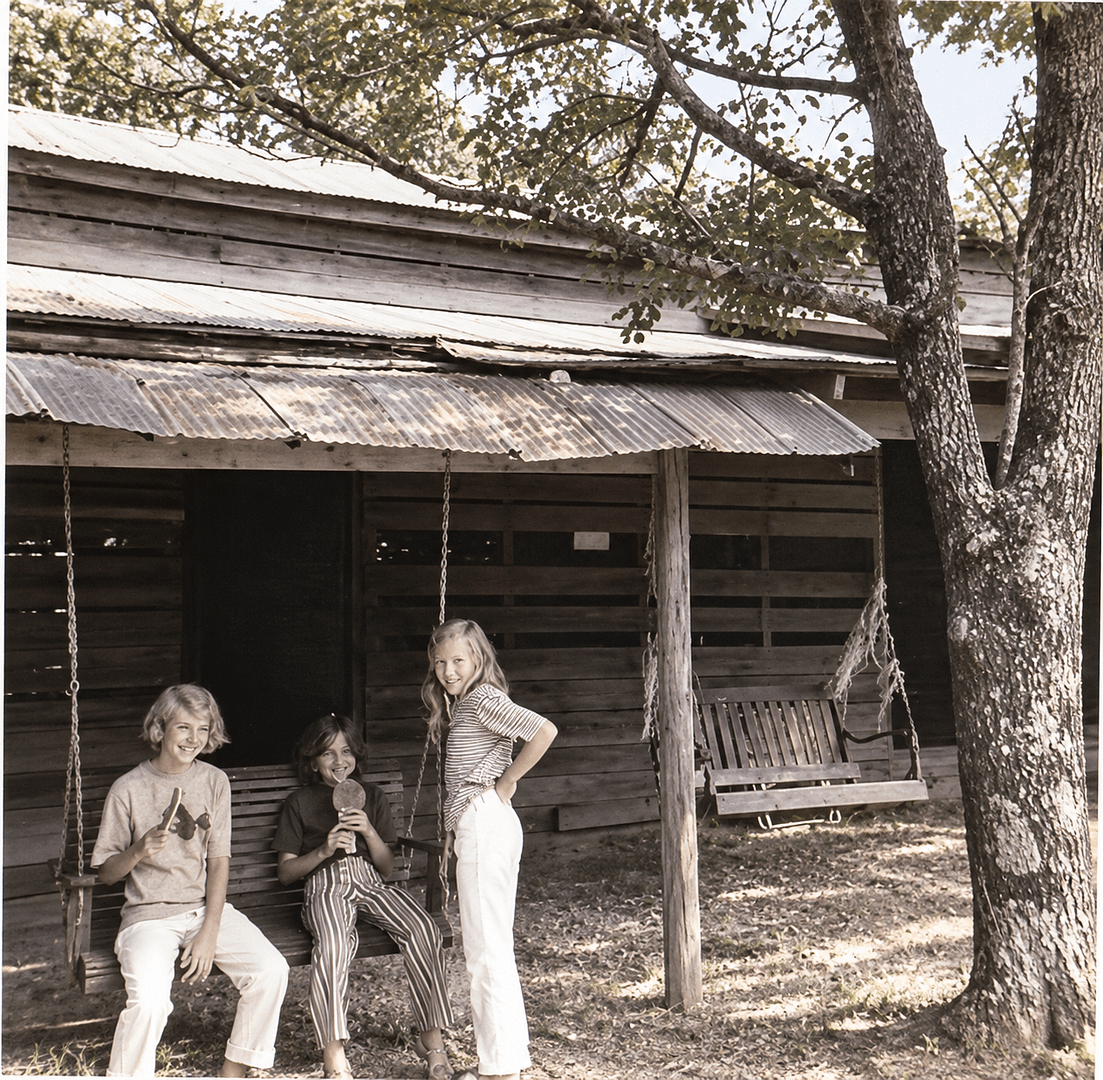
Rock Springs Camp Meeting traces its roots to 1794, when Methodist minister Daniel Asbury helped organize a gathering in the woods near what is now Rehobeth Methodist Church. Families traveled from miles around, camping in wagons, tents and makeshift shelters while spending days in worship, preaching, singing and fellowship.
After several moves, a permanent site near Denver was purchased in 1830. Named for the springs and rocky terrain on the property, Rock Springs Campground became the home of an annual weeklong camp meeting.

For generations, families have returned to the campground each August. The grounds are arranged much like a small town, with the Arbor at the center surrounded by hundreds of simple wooden “tents,” many passed down through generations. The accommodations may be humble, but the tradition remains strong. People come for worship, music, meals, fellowship and the opportunity to renew friendships and create new ones.
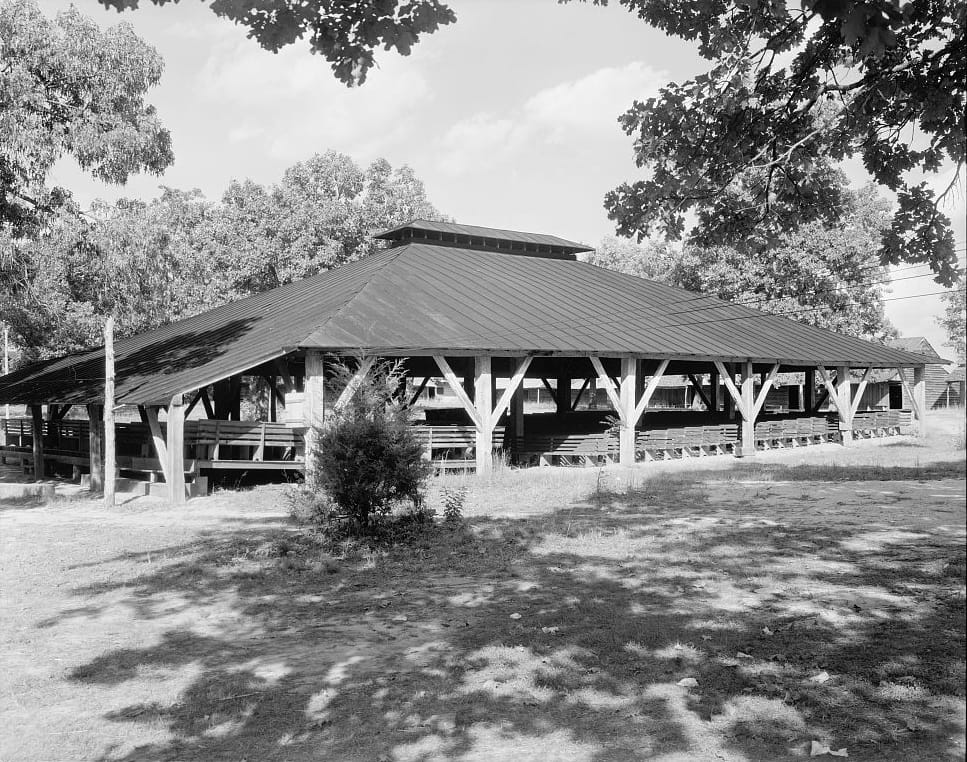
At the heart of it all is the Arbor, the historic structure where generations have gathered to worship. Its massive hand-hewn beams have sheltered worshippers for nearly two centuries, and portions of the structure have recently undergone careful restoration so that it can continue serving future generations.
Rock Springs remains more than an old campground. It is a living tradition and an important part of Denver’s identity, welcoming people regardless of denomination or background. In a community that has changed dramatically around it, the campground continues to provide a direct connection to the Denver that existed long before Lake Norman.
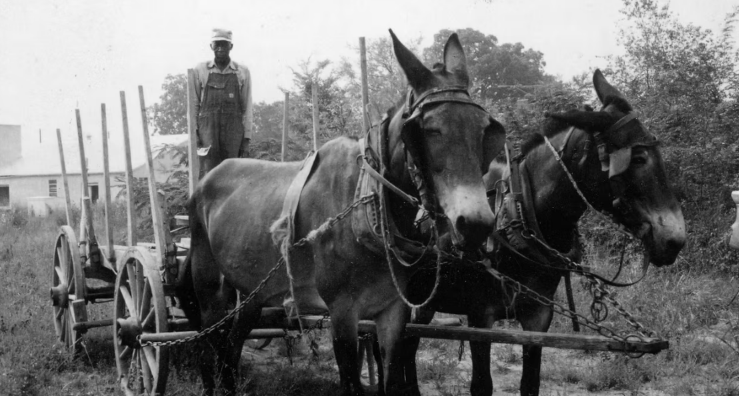
Farming remained the backbone of Denver. Cotton was the principal cash crop, while tomatoes, strawberries and other vegetables were grown for nearby markets. Beginning before World War II, some local residents also traveled to textile mills in surrounding communities such as Mooresville, Lincolnton, Cornelius, Maiden and Mount Holly. For a brief period around the turn of the twentieth century, gold prospecting also took place near the former Triangle School and Westport.
Transportation eventually changed the community, although not in the way its early leaders had hoped. State Highway 16 was established in 1928, and the road that became Old Highway 16 developed into Denver’s main street. The railroad had never come, but the highway brought traffic, commerce and eventually people.
Denver remained incorporated for nearly a century, but without a functioning local government, the town’s official status was removed by the state legislature in 1971. By then, the greatest change in Denver’s history was already underway.
In 1962, Duke Power completed Cowans Ford Dam, creating Lake Norman and flooding the fertile Catawba River bottoms that had supported generations of farmers.
The lake erased old roads, farms and river crossings, but it also created a new future. Weekend homes appeared along the shoreline, followed by permanent residences, businesses and neighborhoods as people discovered the appeal of living near the water while remaining within commuting distance of Charlotte.
Denver’s rural character did not disappear overnight. During the 1970s, the community hosted the Denver 100, a cross-country motorcycle race that raised money for the local volunteer fire department. Riders raced through barns, creek bottoms and pastures that would eventually be replaced by development.
Today, Denver is often thought of as a Lake Norman community, but its story began generations earlier. There were farms along the Catawba, the grand Catawba Springs resort, a little settlement called Dry Pond, and a future governor and United States senator who called the area home. There were churches, schools, family farms, small businesses and roads connecting neighbors long before the lake covered the river bottoms.
And there was Rock Springs, where generations gathered beneath the Arbor to worship, sing and share fellowship. More than two centuries later, that tradition continues, offering one of the clearest reminders of what Denver was like before the lake.
Lake Norman changed Denver dramatically, but it did not create the community. Denver was already here, with a history and identity of its own, when the water began to rise.
As mentioned before, I have lived in Huntersville my entire life. We actually trace my family’s history back for eight generations. When folks hear this, they ask, “What was life like before the lake?” and that question inspired me to research the history of the area. These articles are the result of those questions. I plan to continue researching and writing articles about “Life Before The Lake” and posting them on www.Lknconnect.com’s website.
You searched for Life Before the Lake | LKNConnect Community
Please enjoy and share these with your friends. You can follow me on Lknconnect.com. I will be posting each Friday. If you have suggestions about future articles, email me at Dbeard@Lknconnect.com with ideas.