


Before Lake Norman stretched across the Catawba River valley, before waterfront homes overlooked quiet coves, and before Cornelius became one of the fastest-growing towns in North Carolina, this corner of Mecklenburg County looked remarkably different. It was a landscape of fertile farms, dirt roads, cotton fields, and railroad tracks. The rhythm of life revolved around the harvest, the whistle of passing trains, and neighbors who depended on one another. Long before the lake defined this region, cotton did.
As someone who has lived in Huntersville my entire life—and whose family has called northern Mecklenburg County home for eight generations—I am often asked the same question: “What was life like before the lake?” It is a simple question with a fascinating answer. Recently I started reading old books, searching through archives, studying photographs, and listening to stories passed down by longtime residents. The more I learned, the more I realized that many of the people, businesses, and communities that built this region were slowly fading from memory. Those discoveries inspired this series, Life Before the Lake, where we’ll journey back to explore the stories that shaped our hometowns long before the waters of Lake Norman covered the Catawba River valley.
Our story begins in Cornelius—but not the Cornelius we know today.
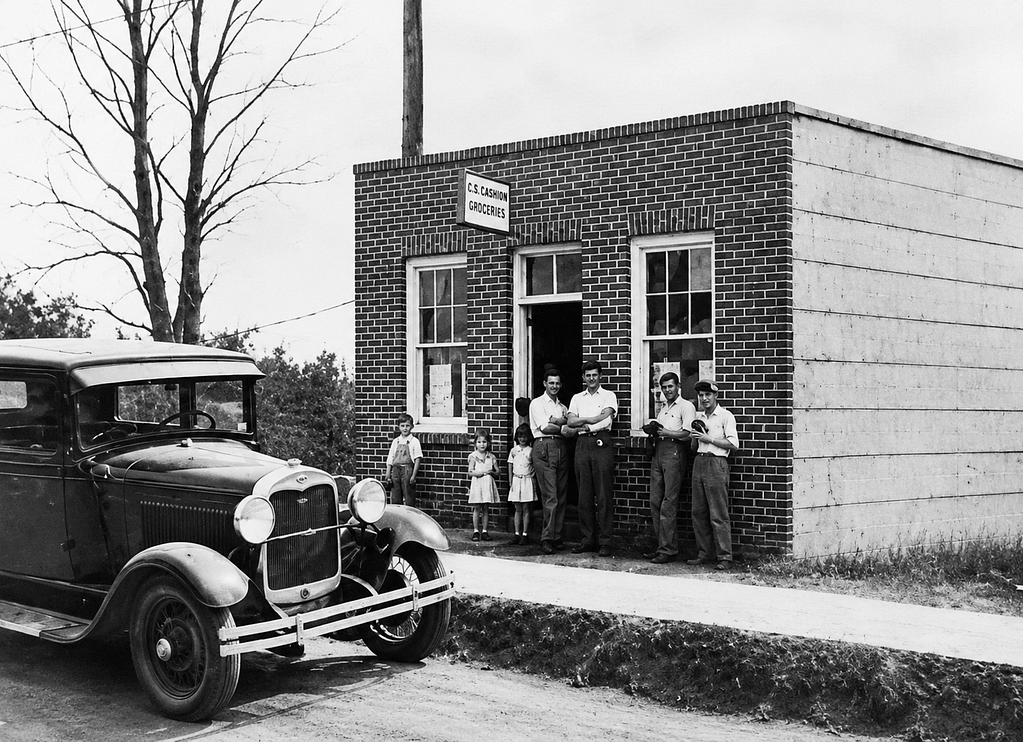
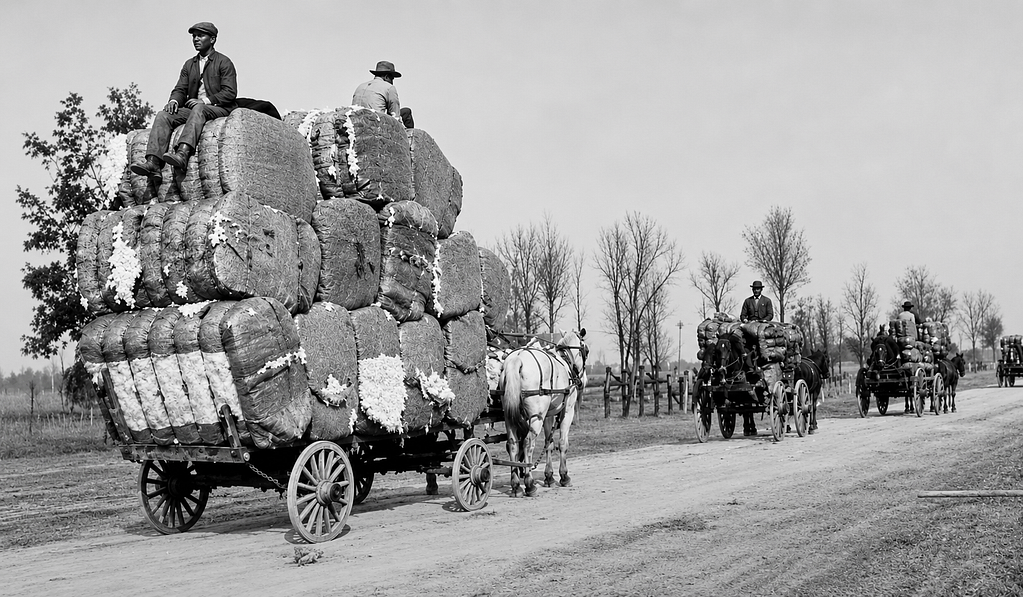
In the late nineteenth century, this growing community was known as Liverpool, a modest railroad stop surrounded by productive farmland. Every fall, farmers arrived with wagonloads of freshly picked cotton to be weighed, ginned, purchased, and loaded onto waiting railcars bound for textile mills throughout the South. Cotton wasn’t simply a crop; it was the economic heartbeat of the region. During harvest season, the area buzzed with activity as farmers, merchants, buyers, and railroad workers worked together to move one of North Carolina’s most valuable commodities to market.
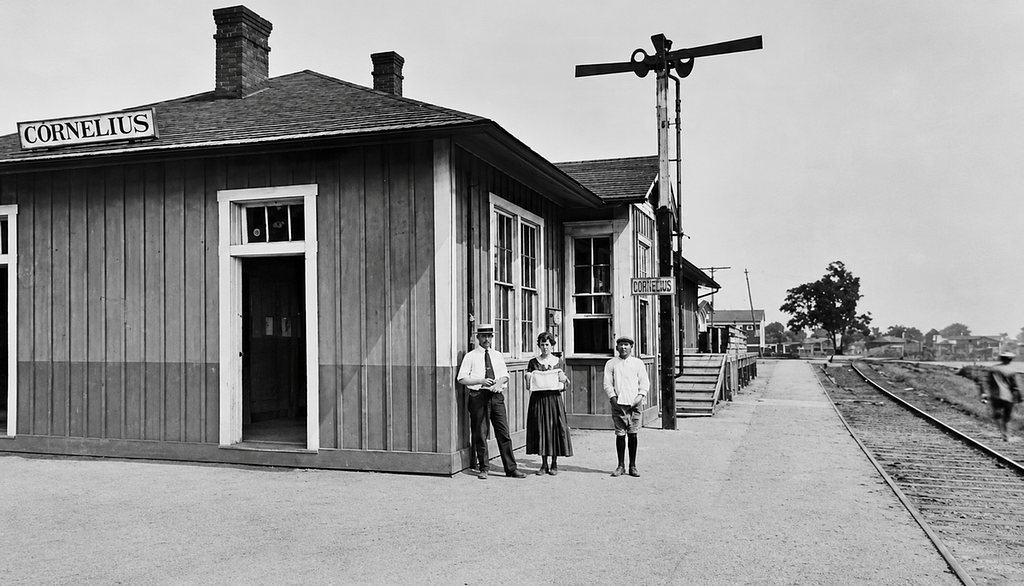
The name Liverpool wasn’t chosen by accident. During the nineteenth century, Liverpool, England, was one of the world’s most important cotton markets, helping establish prices that influenced the global cotton trade. Because so much cotton passed through this small Mecklenburg County community, local residents adopted the name as a fitting tribute to the industry that sustained their livelihoods. It reflected not only the community’s connection to cotton but also its growing importance as a regional center for commerce and trade.
One of the most fascinating chapters in Cornelius’ history, however, began several miles away in neighboring Davidson. During the late 1800s, two successful cotton-buying firms became locked in a bitter dispute over the appointment of an official town cotton weigher. What began as a disagreement between competing businesses soon escalated into heated local elections and new legislation. When the decision ultimately went against one of the firms, its owners relocated much of their operation just south of Davidson to a modest building owned by local entrepreneur Rufus James “R.J.” Stough. At first, the move appeared to be nothing more than a simple business decision, but history would prove otherwise. That relocation shifted the center of cotton commerce, sparked new opportunities, and ultimately became one of the key events that led to the founding of the town we now know as Cornelius.
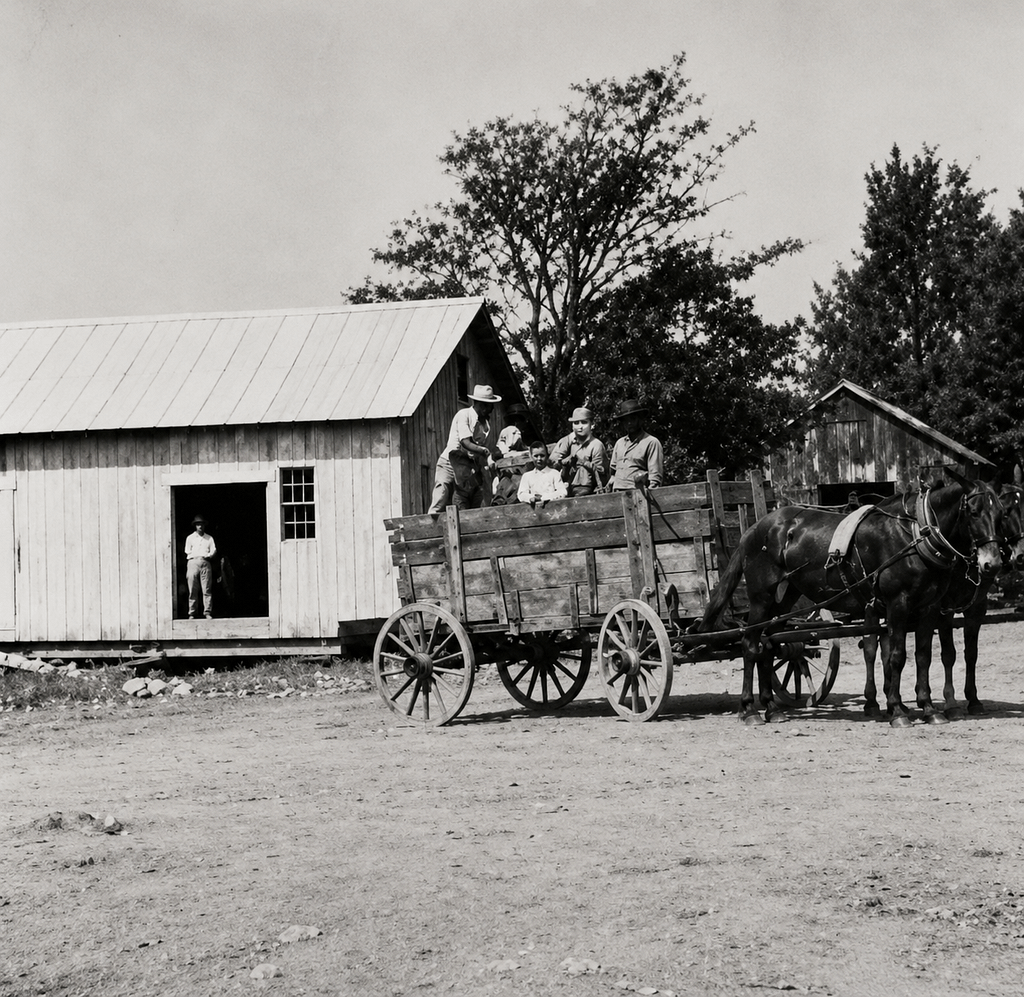
Nature soon played an unexpected role. Heavy rains frequently turned the steep road into Davidson into an impassable sea of mud, making it nearly impossible for farmers to pull heavily loaded cotton wagons up the hill. Instead of struggling through the difficult journey, many simply stopped at Stough’s operation. Day after day, wagon after wagon rolled into his yard. Farmers traded stories, conducted business, and sold their cotton, while the center of commerce gradually shifted toward Liverpool. What appeared to be a simple matter of convenience quietly transformed the economic future of the community.
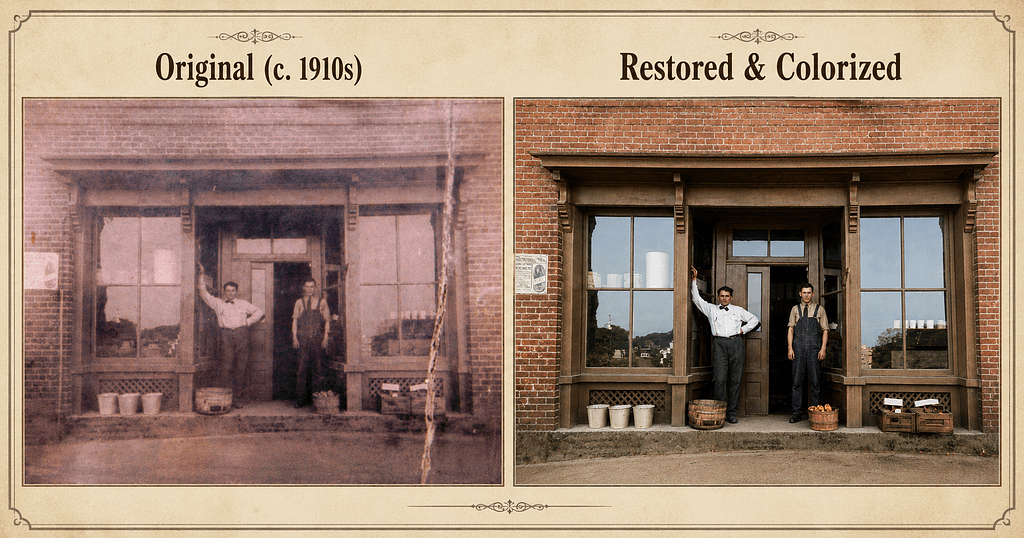
Few people were better suited to seize that opportunity than R.J. Stough. A great-grandson of Revolutionary War veteran Martin Stough, he possessed an entrepreneurial spirit that was well ahead of its time. He operated a cotton gin, owned a general store stocked with groceries, hardware, clothing, and shoes, and helped establish a local school because he understood that thriving communities required more than successful farms. Yet his greatest ambition reached beyond buying and selling cotton. He envisioned a textile mill where locally grown cotton could be transformed into finished cloth without ever leaving the community. It was an ambitious dream, but like many great ideas, it required financial backing.
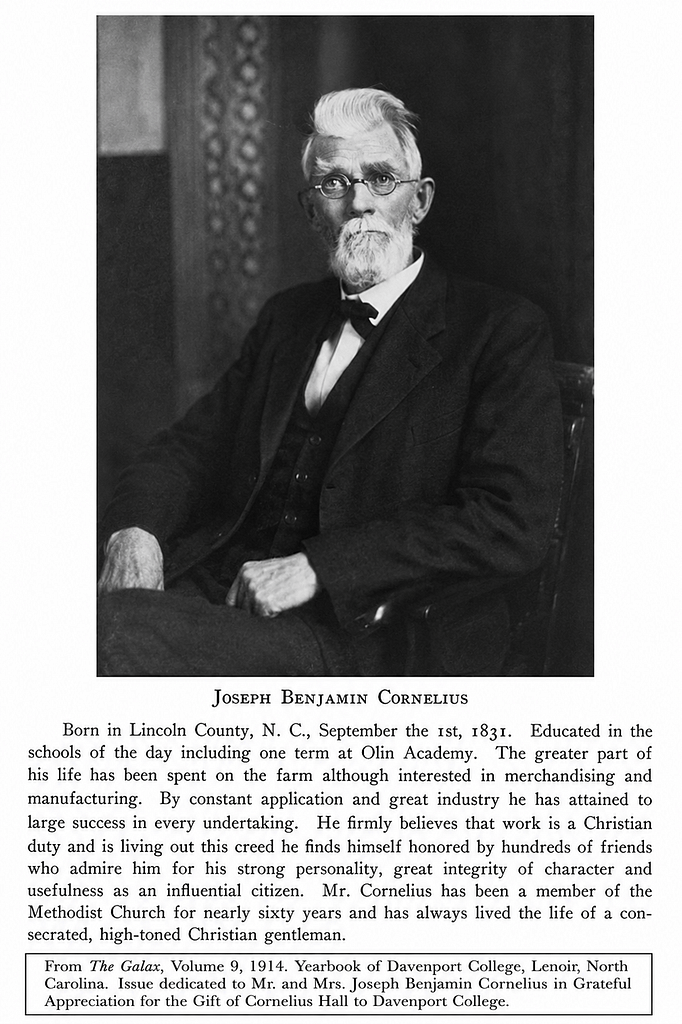
That support came from Joseph Benjamin Cornelius, one of the region’s most successful landowners and businessmen. After purchasing extensive acreage along the Catawba River in 1855, Cornelius built a thriving cotton plantation and operated a ferry that connected communities on both sides of the river. His influence extended well beyond business. He served as a Justice of the Peace, represented the area in the North Carolina Legislature, and earned the respect of people throughout Mecklenburg County. When Stough shared his vision for a cotton mill, Cornelius immediately recognized its potential and agreed to provide much of the capital needed to bring the project to life.
Their partnership proved transformational. During the 1890s, the Stough-Cornelius Cotton Mill opened near what is now the site of Cornelius Town Hall and Food Lion. More than simply another business, the mill became the economic heartbeat of the growing community. Jobs attracted workers, workers needed homes, merchants opened stores, churches welcomed new members, and businesses clustered around the railroad. A quiet farming crossroads was rapidly becoming a thriving mill town.
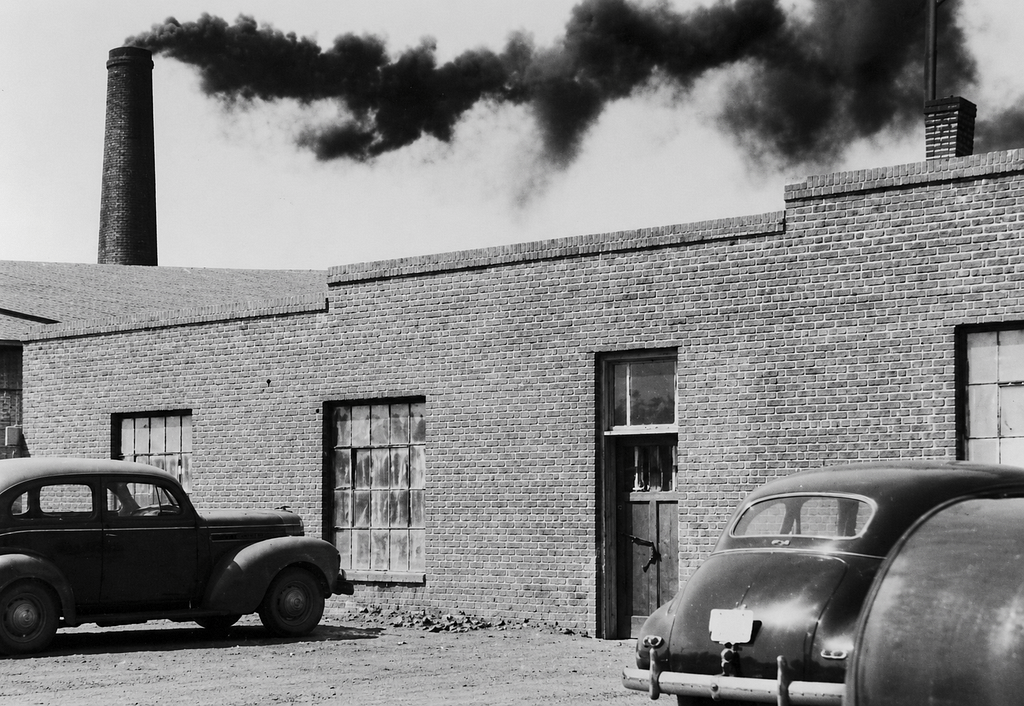
By 1923, the mill employed approximately 230 workers. Life inside the mill demanded long hours and hard labor. Employees typically worked twelve-hour days, five days a week, along with six-hour shifts on Saturdays. While the work was physically exhausting, it provided dependable wages that supported hundreds of local families and fueled the continued growth of the community. For many residents, the mill offered opportunities their parents and grandparents had never known.

Ironically, Joseph Benjamin Cornelius never actually lived within the town that now bears his name. When residents applied for a post office in 1893, they discovered another North Carolina community had already claimed the name Liverpool. A new name was required. In recognition of Joseph Cornelius’ financial investment and his instrumental role in the community’s success, residents chose to honor him by naming the town Cornelius. The Cornelius Post Office opened later that year, and when the town officially incorporated in 1905, the new name had already become firmly established.
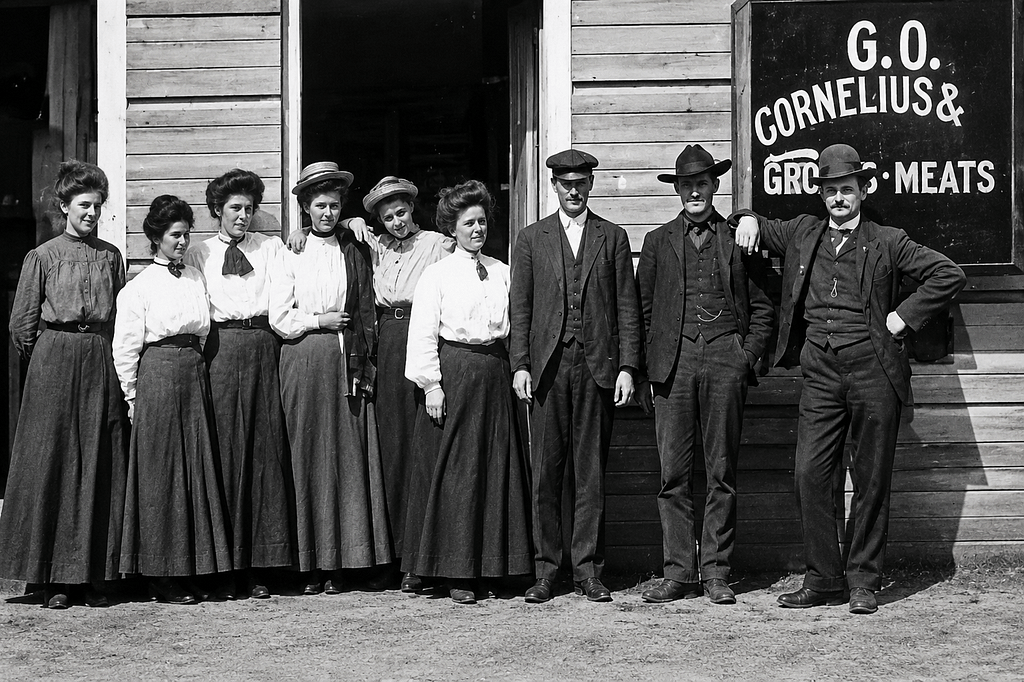
Success has a way of attracting more success. As Cornelius continued to grow, another textile operation joined the community in 1905. Known as the Gem Yarn Mill, the new facility initially employed about forty-five workers before expanding to more than 150 employees during its busiest years. Although the mill eventually closed in 1962, its story did not end there. Today, the beautifully restored building lives on as Oak Street Mill, home to antique shops, restaurants, offices, and popular gathering places like Brick Row. It is the last remaining cotton mill standing in Cornelius, allowing visitors to walk through a piece of the town’s industrial past while enjoying one of its most vibrant destinations.

Another historic building quietly tells the story of Cornelius’ remarkable evolution. The former Stough-Cornelius Mill office building along Catawba Avenue has served the community for well over a century. One of only a handful of surviving early twentieth-century commercial buildings in downtown Cornelius, it has witnessed nearly every chapter of the town’s development. In 1940, it became headquarters for the Cornelius Electric Membership Corporation, helping bring electricity to rural homes through the federal Rural Electrification Administration. The east storefront later housed Cora Readling’s beauty shop, the first beauty salon in Cornelius, which opened in 1937. Today, Potts Barber Shop and Edward Jones continue serving customers from the same historic building, proving that while businesses change, the spirit of community endures.
It is easy to assume Lake Norman created Cornelius, but the truth is much richer than that. Decades before the first valley was flooded, the foundations of this town had already been firmly established by hardworking farmers, determined entrepreneurs, and families willing to invest in a shared future. The railroad carried opportunity into the community. Cotton created prosperity. Muddy roads unexpectedly redirected commerce. R.J. Stough supplied the vision, and Joseph Benjamin Cornelius provided the resources to turn that vision into reality. Together, they transformed a quiet farming settlement known as Liverpool into the thriving town that would one day flourish along the shores of Lake Norman.

As I continue writing the Life Before the Lake series, my hope is that these stories preserve more than dates and names. I hope they preserve the spirit of the people who built our communities through hard work, determination, faith, and perseverance. Every old photograph tucked inside a family Bible, every faded newspaper clipping, every handwritten letter, and every story shared around a kitchen table becomes another piece of our local history.
If your family has photographs, documents, memories, or stories about life before Lake Norman, I would love to hear from you. Together, we can preserve the history of the farms, churches, schools, businesses, and families that laid the foundation for the communities we know and love today. I invite you to follow the Life Before the Lake series on LKNConnect.com as we continue discovering the remarkable stories that existed long before the lake changed the landscape forever.
Thank you for joining me on this journey.
David Beard
Historical information for this article was compiled from several respected local history resources, including Chuck McShane’s A History of Lake Norman (The History Press, 2014), Cindy Jacobs’ Images of America: Around Lake Norman (Arcadia Publishing, 2008), Leslie B. Rindoks’ A Town By Any Other Name (Lorimer Press, 2005), along with additional local historical records, newspaper archives, and community research.

