Life Before the Lake – Early Mooresville History, Part 2
- Uncategorized


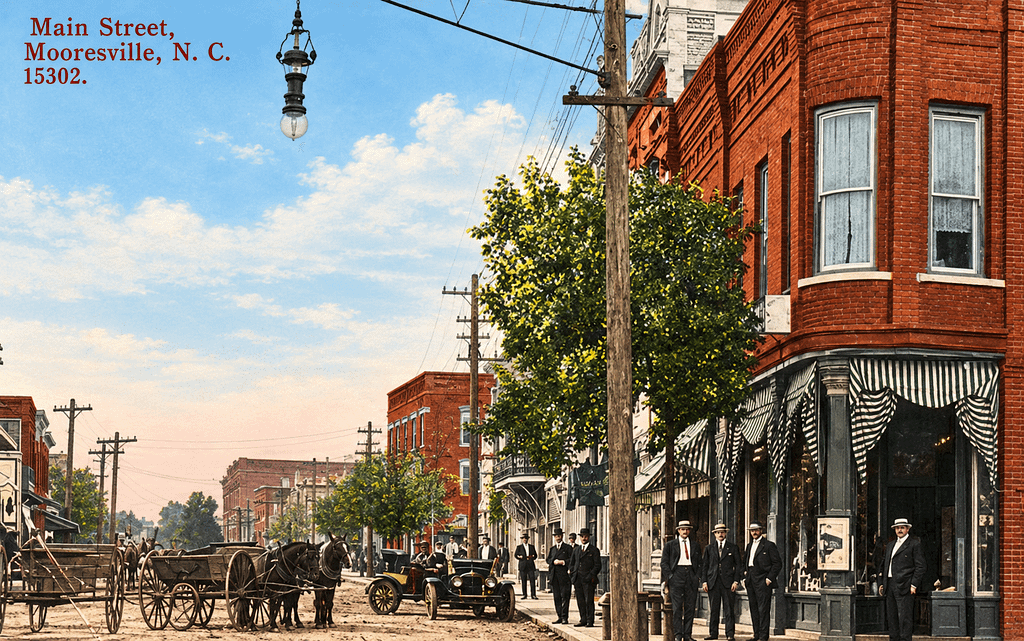
From faded advertisements and horse-drawn buggies to early telephone operators, these fascinating details reveal the people, businesses, and innovations that shaped Mooresville long before Lake Norman arrived.
Have you ever walked down Main Street in Mooresville and wondered what those old brick buildings have seen?
Behind many of those storefronts are stories of merchants who served generations of customers, businesses that adapted to changing times, and inventions that transformed everyday life.
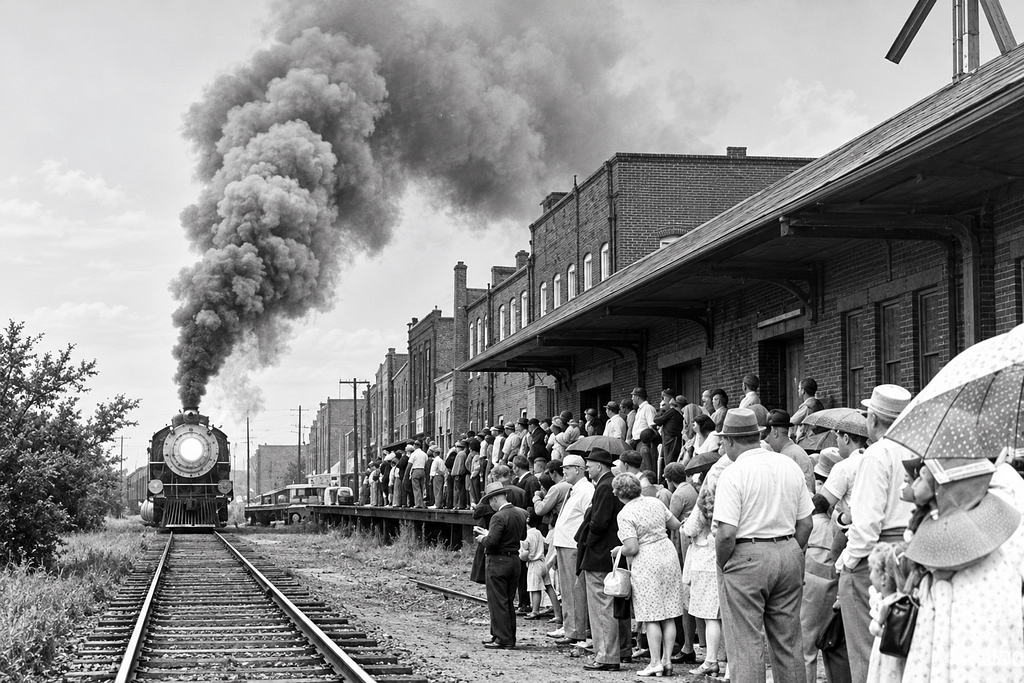
In our first Life Before the Lake article, we explored how Mooresville grew from a railroad siding into a textile town and eventually became known as Race City, USA. But some of the most interesting parts of its history are found in the smaller details—the advertisements on old walls, the businesses that once lined Main Street, and the people who helped a growing town find its way into the modern age.
If you missed Part One of the Early Mooresville history go to Life Before The Lake – Early Mooresville History | LKNConnect Community
Let’s take a closer look at five stories that bring early Mooresville to life.
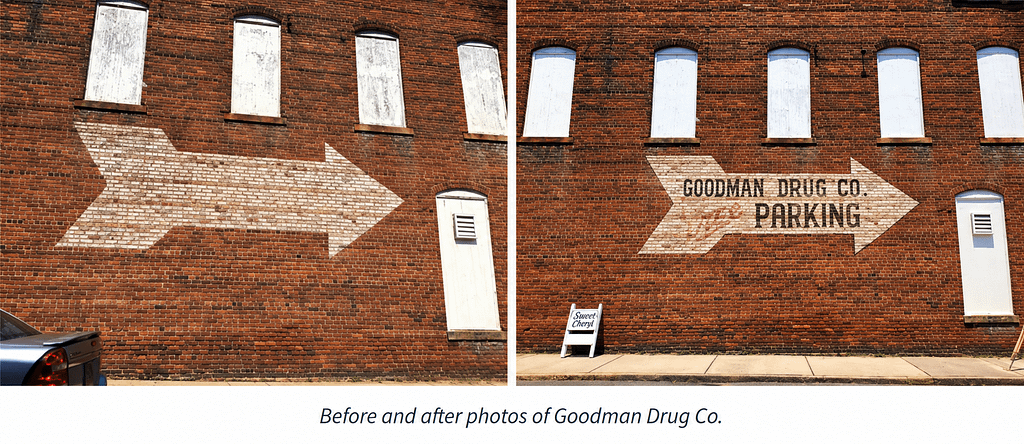
Look closely at the brick walls of downtown Mooresville, and you may discover faded advertisements for businesses that disappeared generations ago.
Known as ghost signs, these painted advertisements once promoted local merchants and nationally recognized products. Among those documented in Mooresville are signs for Goodman Drug Co., Kelly Clothing, Selz Shoes, J. P. Mills Department Store, and Coca-Cola.
The Goodman Drug Co. sign is particularly memorable because it includes an arrow pointing toward free parking. Even in an earlier era, merchants understood the importance of making shopping convenient for their customers.
Goodman Drug Co. traces its roots to 1877. Kelly Clothing opened in 1911 and became a family business that continued for generations.
Over time, the painted advertisements faded beneath years of weather and wear. In a preservation project, specialists restored six historic signs, making their lettering easier to see while retaining their aged character.
Today, these signs are more than advertisements. They are reminders of the businesses that once made Main Street the commercial heart of Mooresville.
The surprising discovery: Some of the town’s most interesting historical records are still painted on its walls.
Imagine walking into a hardware store to purchase supplies for a horse-drawn buggy. Before automobiles became commonplace, that was part of everyday life in Mooresville.
In 1899, D. E. Turner and his father, W. W. Turner, purchased the Tomlinson hardware business and established D. E. Turner Co. The business served the needs of local residents, farmers, and travelers.
The store’s merchandise reflected a different world, when horses and buggies were important forms of transportation. As automobiles became more common, the business adapted to changing needs and eventually became Mooresville’s first gas station.
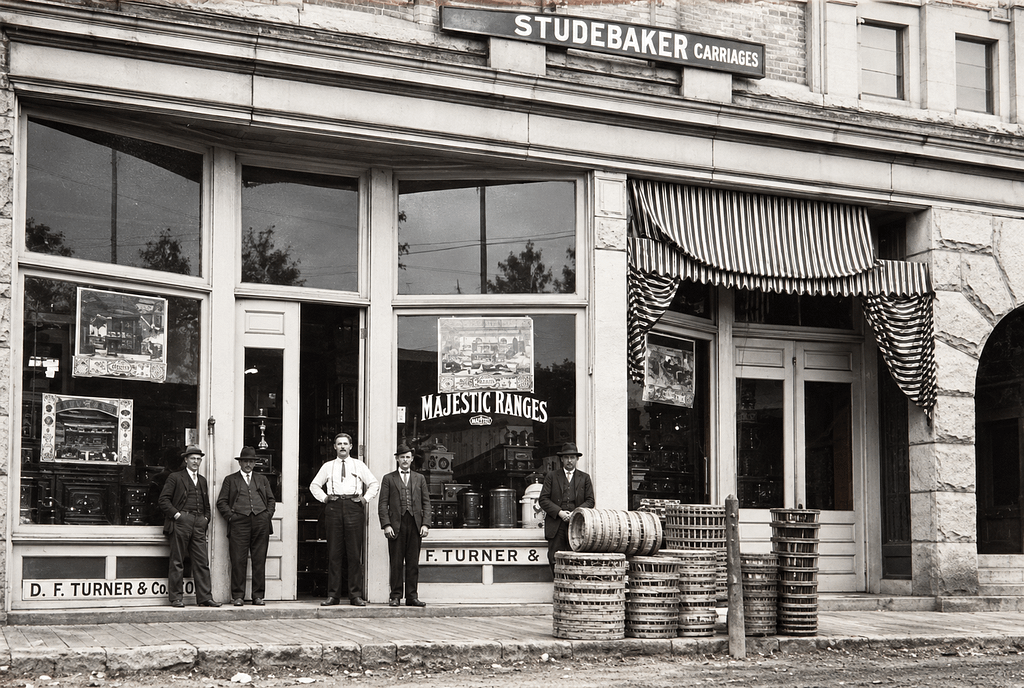
The story illustrates how local businesses could survive by changing with their customers.
Mooresville was already adapting to new technology long before racing engines became part of its identity. Businesses that once served horse-drawn transportation were learning to serve motorists instead.
The surprising discovery: One longtime local business connected two very different eras of transportation.
In 1900, Mooresville’s first telephone company was established in the Templeton building.
Today, making a telephone call is almost effortless. At the turn of the twentieth century, however, telephone service represented an important technological advance. Operators helped connect callers and made it possible for residents and businesses to communicate more easily.
These operators were sometimes known as the “Hello girls.” Historical accounts also describe their role in connecting emergency calls to fire and police services.
Before modern emergency dispatch systems, the telephone exchange was an important link between people who needed help and the services that could provide it.
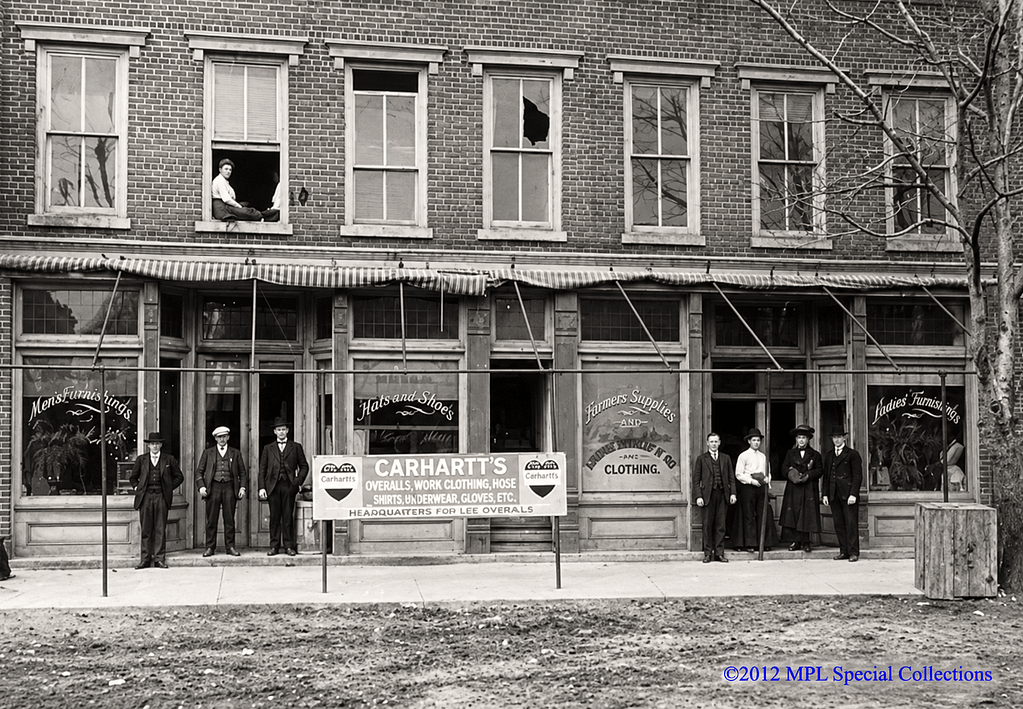
The Templeton building itself had an interesting history, having been associated with industrial operations before becoming home to commercial businesses.
The telephone company’s arrival reflected Mooresville’s continuing development as a connected, growing community.
The surprising discovery: Early telephone operators did more than connect conversations. Their work could also help connect residents with emergency assistance.
For generations, downtown was where people went shopping, visited local businesses, and encountered neighbors. Belk’s Department Store became an important part of that experience when it opened on North Main Street in 1924.
As the business expanded, it grew into neighboring commercial space. In 1957, Belk’s became the first store to participate in the Mooresville Plan, remodeling its storefront with an aluminum facade and a covered sidewalk.
These changes reflected efforts to modernize downtown and maintain its appeal to shoppers.
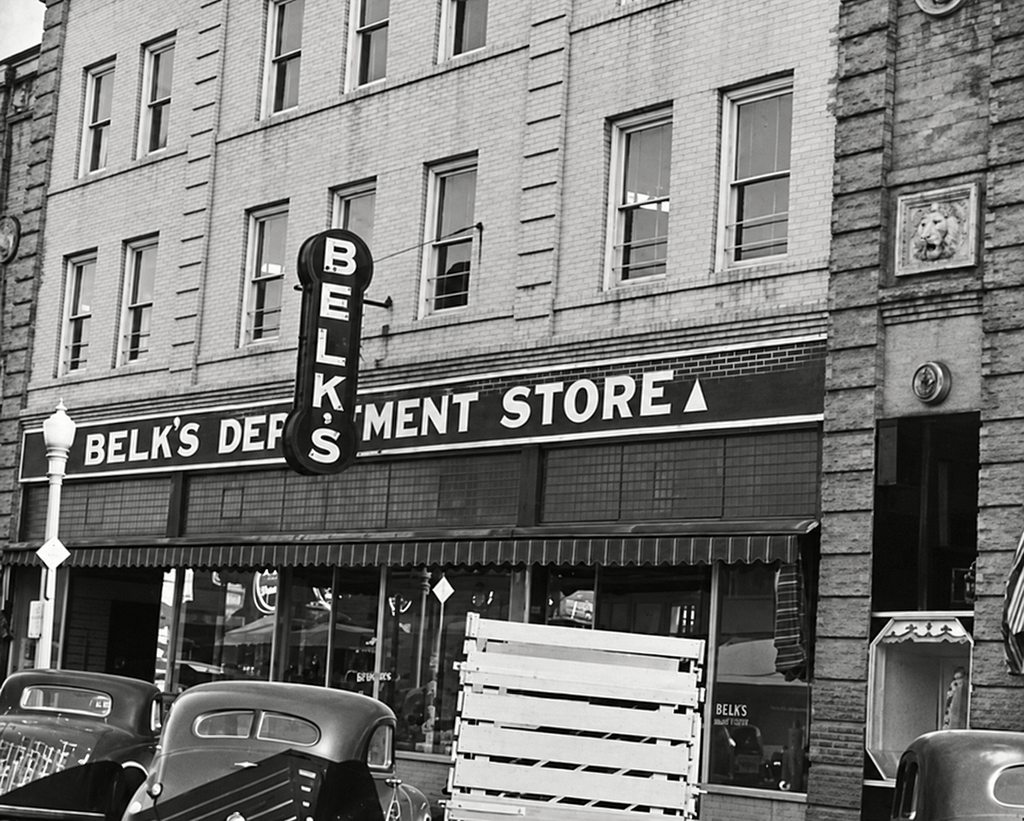
Belk’s remained on Main Street until 1990, when it moved to Highway 150. The Charles Mack Citizen Center was later built on the downtown site.
Its history reflects a change experienced by many American towns. As roads, automobiles, shopping centers, and suburban development reshaped shopping habits, retailers increasingly moved away from traditional downtown districts.
For longtime residents, however, the old department store may still bring back memories of shopping trips and busy afternoons on Main Street.
The surprising discovery: A major retailer remained downtown for more than six decades before moving to a new location.
Not every important business in a town’s history manufactured goods, sold hardware, or provided essential services. Some helped make everyday life a little sweeter.
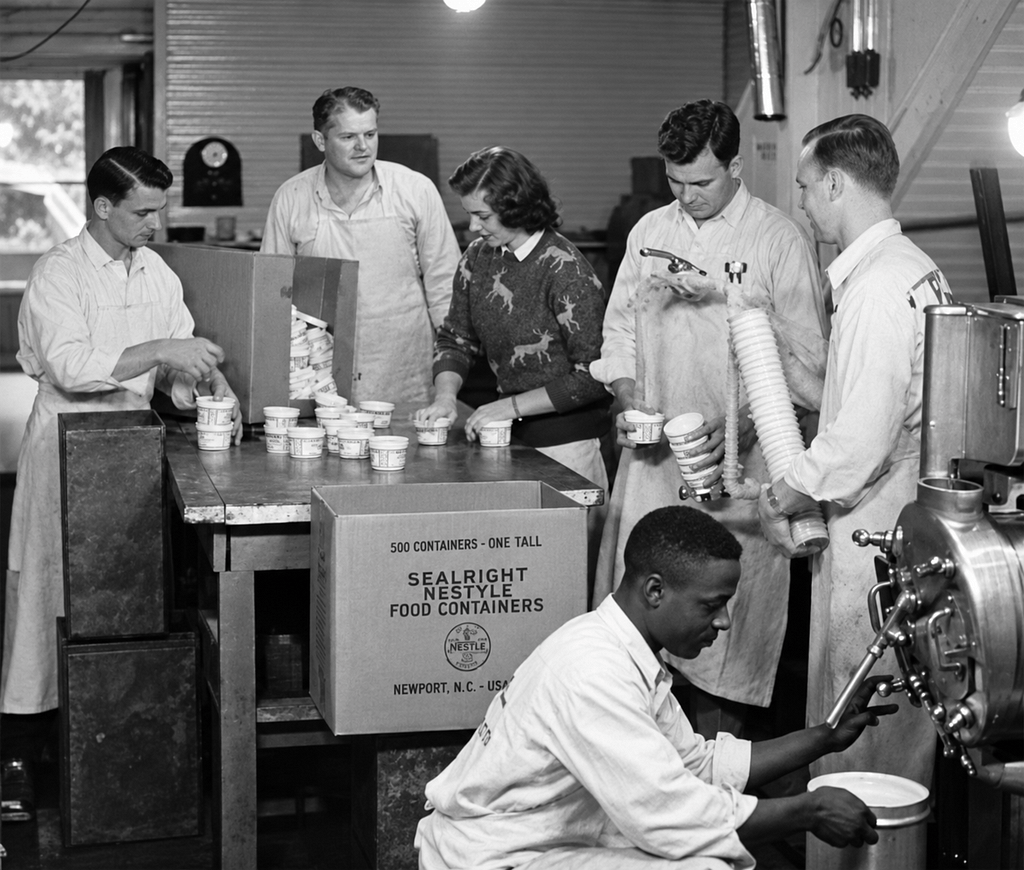
The Mooresville Ice Cream Company was incorporated in 1924, adding another chapter to the town’s commercial story.
Although more research is needed to uncover the full details of the company’s operations, its history offers an opportunity to explore the everyday businesses that helped create a sense of community.
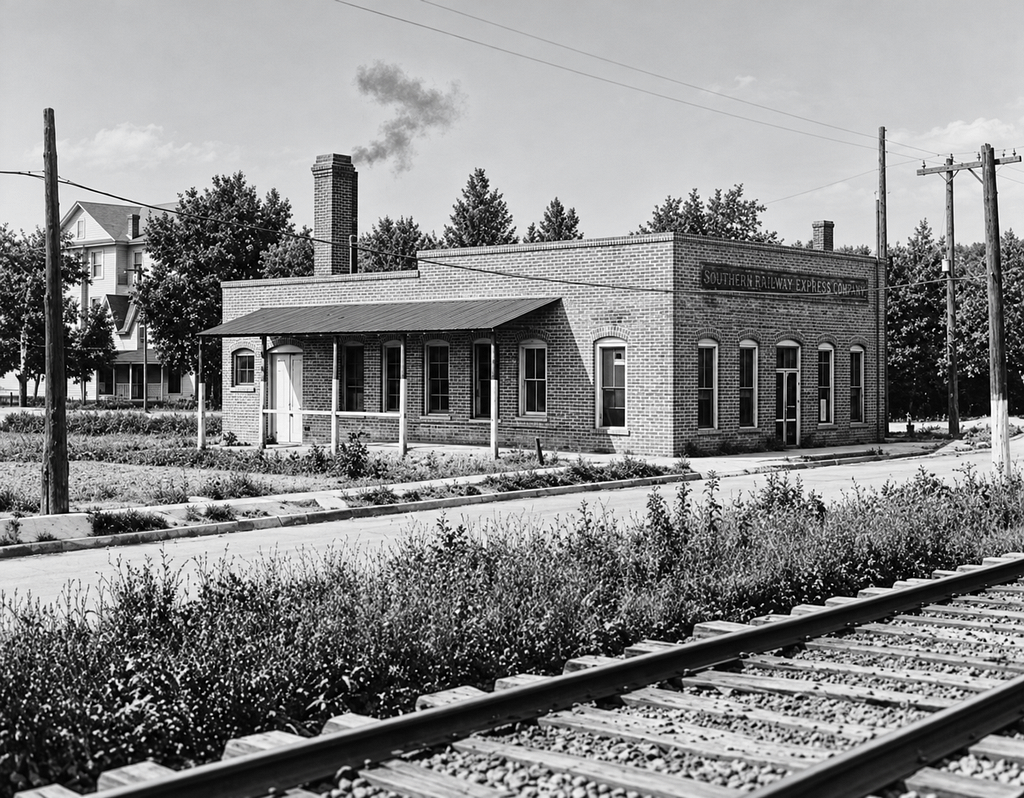
Ice cream has long been associated with family outings, summer afternoons, celebrations, and simple pleasures shared with friends.
It is easy to focus on the railroads, mills, and businesses that drove a town’s economy. Yet the places where people gathered and enjoyed themselves also helped shape the character of a community.
The ice cream company’s story reminds us that local history includes the familiar experiences that made a place feel like home.
The surprising discovery: Even a small local business can open a window into how residents spent their time and enjoyed life in an earlier era.
These five stories offer a different way to look at Mooresville’s past.
A faded advertisement reveals the businesses that once competed for customers. A hardware store tells us how transportation changed. A telephone exchange introduces the people who helped connect the town. A department store traces the evolution of downtown shopping. And an ice cream company reminds us that community history is also made of everyday pleasures.
Together, these details help us picture Mooresville beyond its familiar landmarks.
The railroad helped establish the town. Textile manufacturing brought jobs and families. Racing and Lake Norman eventually helped transform its reputation and growth. But between those major milestones were countless businesses and people whose contributions made Mooresville the community it became.
The next time you visit downtown, look a little closer at the brickwork, the storefronts, and the old advertisements. Think about the merchants who opened their doors each morning and the customers who depended on them.
You may discover that the past is not as distant as it seems.
Sometimes, it is still written right there on the wall.
Discover more through the Mooresville Museum’s Historic Downtown Walking Tour and the Mooresville Public Library’s Digital Collections, which preserve photographs, films, and other historical records.
I have lived in Huntersville my entire life, and my family’s history in the area reaches back eight generations. Questions about what life was like before Lake Norman inspired me to research and share the history of our communities.
Through LKNConnect’s Life Before the Lake series, I hope to preserve the stories of the people, places, and events that shaped our region long before the lake became part of everyday life.
The lake came later. The stories were here all along.