What’s Next with Trina Finch: Special Guest- FJ Rotunda – Rotunda Electric
- What's Next with Trina Finch

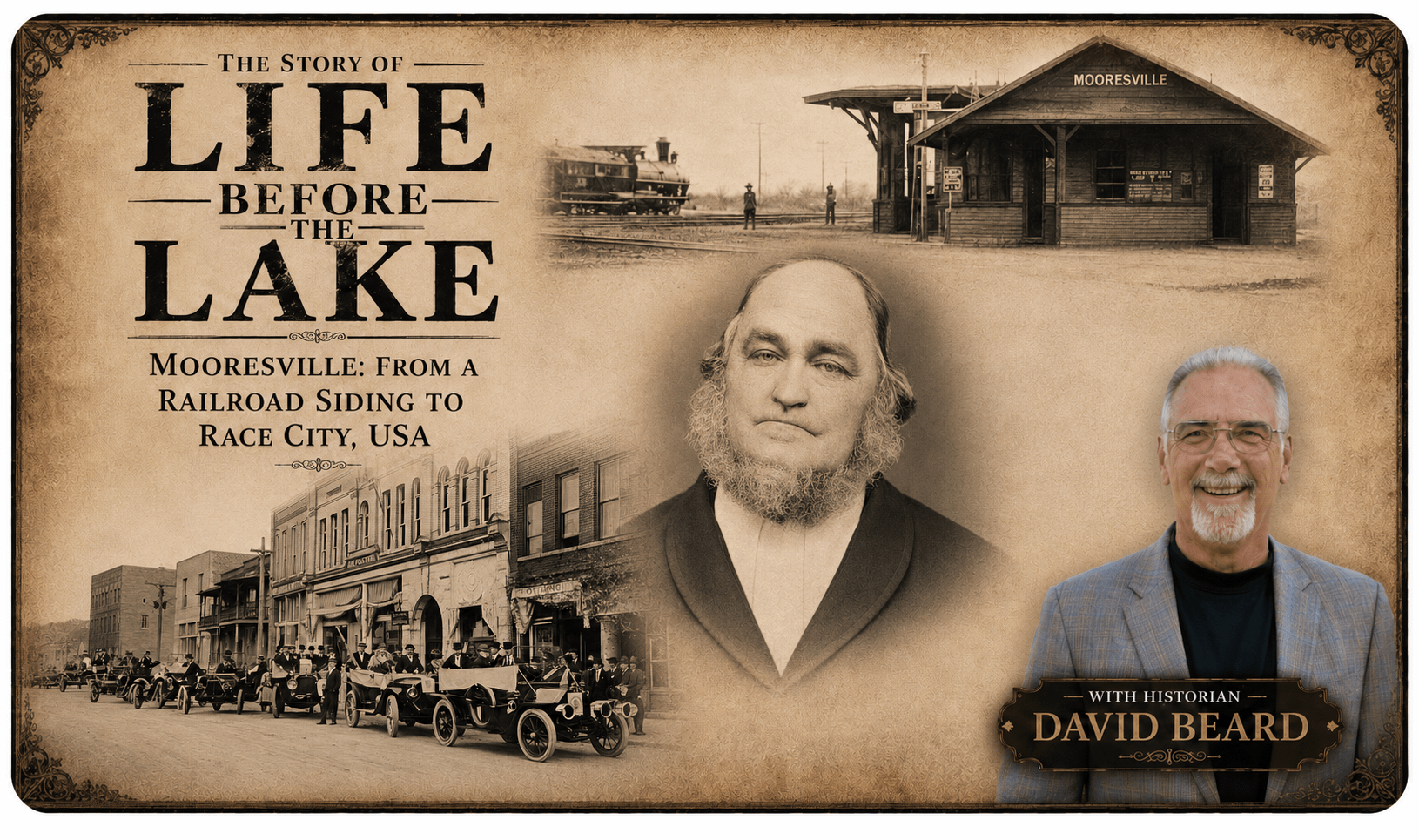

When people think about Mooresville today, they may picture Lake Norman, NASCAR, historic Main Street or the rapid growth that has made the town one of the best-known communities in the Charlotte region. It is hard to imagine that there was once a time when this was mostly farmland, with families scattered across the countryside and little to distinguish the area from other rural communities in Iredell County. There was no lake, no interstate and certainly no NASCAR. There were farms, cotton fields, churches, schools and families building their lives on the land. Then a railroad came through, and the future of the community began to change.
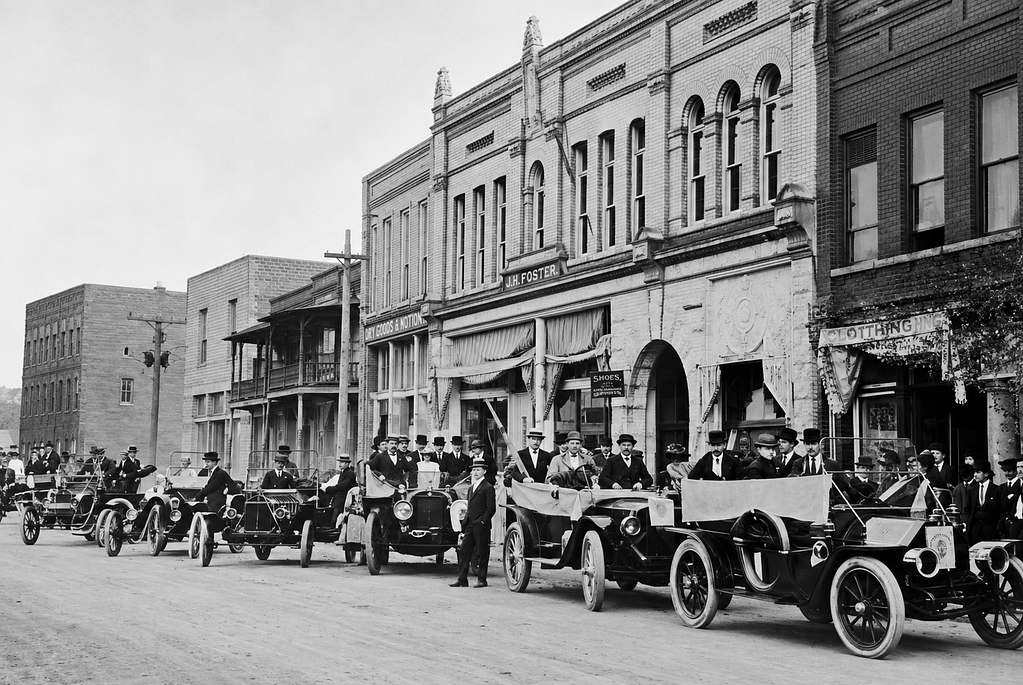
For generations, families had farmed the land that would eventually become Mooresville. Cotton became an important crop, but getting it to market was not easy. Farmers depended on wagons and rough roads to move their crops, and larger markets were a considerable distance away. A railroad offered the possibility of changing all of that. In the 1850s, plans were underway for a railroad connecting Charlotte and Statesville, and its route would pass directly through this quiet farming community.
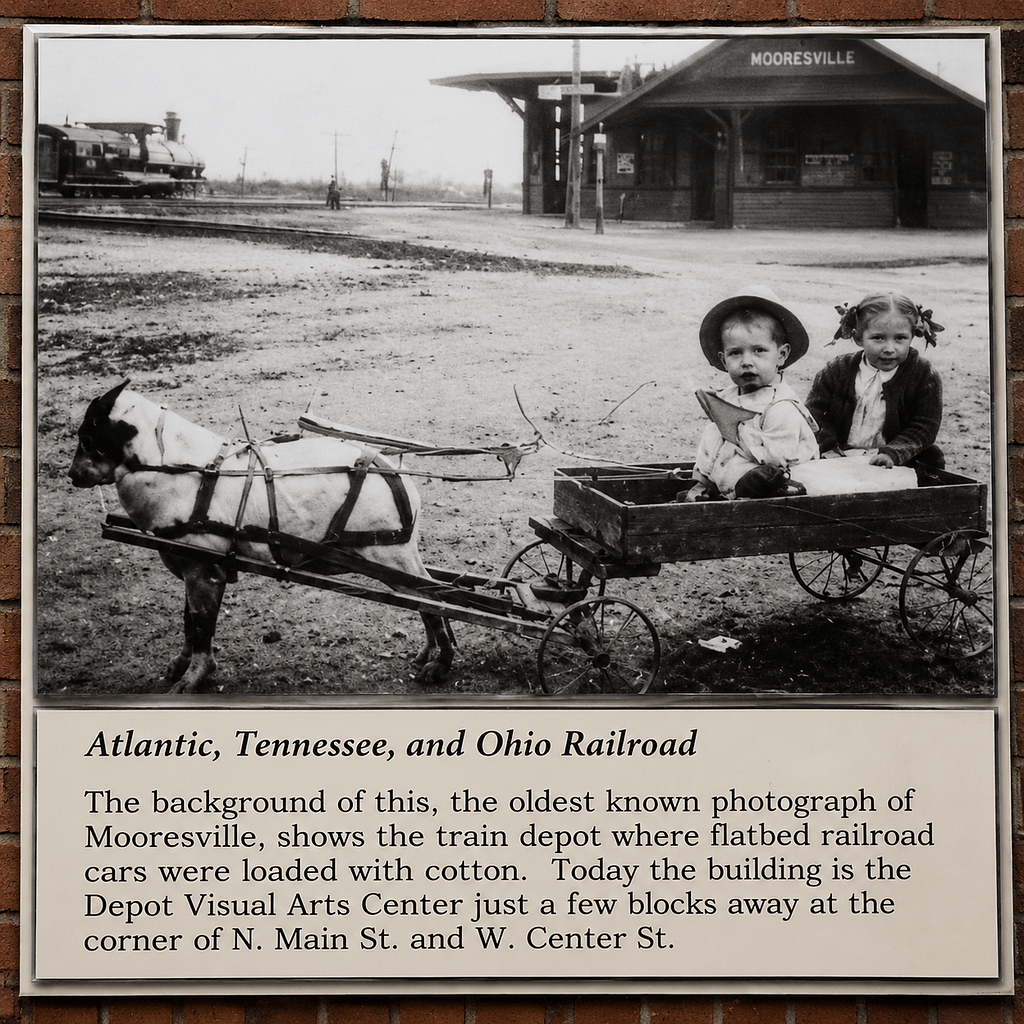
When the Atlantic, Tennessee & Ohio Railroad reached the area in 1856, it brought much more than a set of tracks. It connected the local farmers and merchants to markets beyond Iredell County and made it easier for goods and people to move in and out of the community. Cotton could be shipped, supplies could be delivered and businesses suddenly had a reason to locate near the railroad. For a community that had existed primarily around agriculture, this was the beginning of something new.
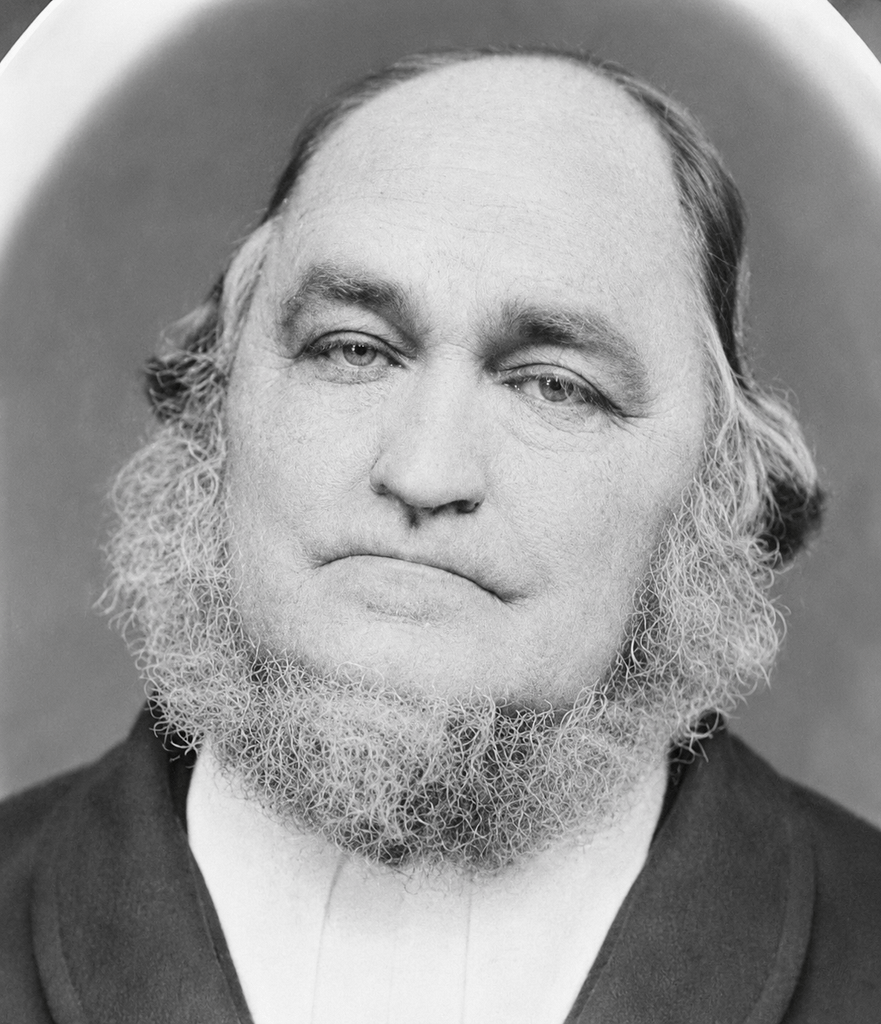
One of the people who recognized the possibilities was John Franklin Moore, a local farmer and landowner. Moore owned property along the railroad route and understood that the new railroad could become the foundation for a community. Rather than simply watching the railroad pass through his land, he became involved in helping establish the settlement that would grow around it.
Moore provided land for the railroad depot, siding and cotton facilities and made additional property available for homes and businesses. The little settlement that developed around the railroad became known as Moore’s Siding, and eventually the name Mooresville was adopted. The depot became the center of the young community, with businesses and homes gradually developing around it. What began as a railroad stop was beginning to look like a town.
Moore also became one of the community’s early merchants and helped provide land for a church and school. When Mooresville was officially incorporated in 1873, he became one of its first town commissioners. Moore died in 1877, only a few years after the town received its charter, but the foundation he helped establish continued to grow. His greatest contribution may have been recognizing that the railroad represented an opportunity and then helping turn that opportunity into a community.
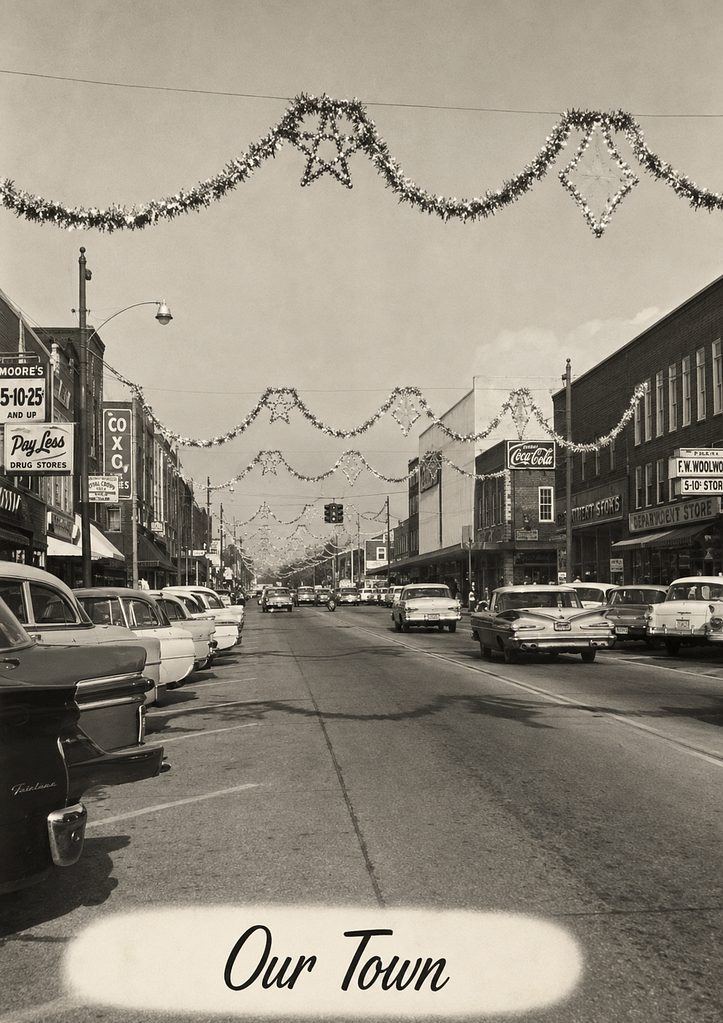
The Civil War interrupted Mooresville’s early growth. The railroad tracks were removed during the war, leaving the young community without the transportation connection that had helped create it. When the railroad was restored after the war, Mooresville began moving forward again. Stores opened, the post office was established, churches and schools became part of the growing community, and the railroad once again connected Mooresville to the outside world.
By the 1870s, Mooresville was becoming a market town for the surrounding countryside. Farmers came into town to sell cotton and other products and to purchase the things they needed. Merchants opened stores along Main Street, while blacksmiths, craftsmen, doctors and other professionals established businesses. The railroad depot became a gathering place where people, goods and information came together. For a small town, it was a remarkably important connection to the world beyond Iredell County.
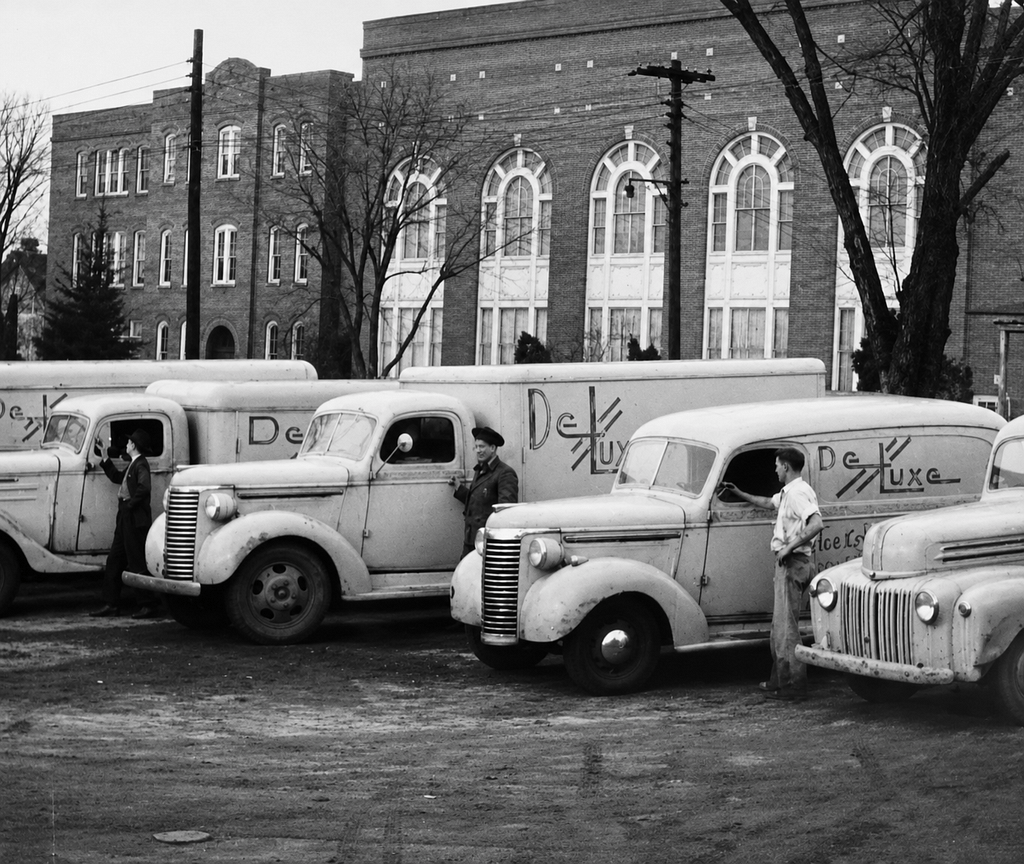
As the town grew, so did the institutions that gave it a sense of community. Churches became places where families worshiped and gathered, schools educated the next generation, and civic organizations began taking on an increasingly important role. Mooresville Academy opened in 1874, reflecting the importance the community placed on education. Main Street continued to develop, and the simple railroad settlement was gradually becoming a town with its own identity.

Mooresville’s growth accelerated again in the late nineteenth century when the textile industry began taking hold across the Piedmont. Cotton that had once been shipped out of town could now be processed closer to home. The establishment of textile mills brought jobs, families and investment and changed the character of Mooresville. Mill neighborhoods developed, businesses expanded and the population increased. For generations, the mills would be an important part of everyday life.
The railroad remained at the heart of that growth. Raw cotton and other materials could be brought into town, while finished products could be shipped to markets throughout the region and beyond. The same railroad that had given Mooresville its start now helped support its industrial future.
But the history of Mooresville is not just a story of railroads, cotton and businesses. It is a story about people and the communities they built. African American families established churches, schools, businesses and neighborhoods that became important parts of Mooresville’s history. Their contributions, along with those of mill workers, merchants, teachers, ministers, doctors, civic leaders and countless families, helped shape the town through generations of change.
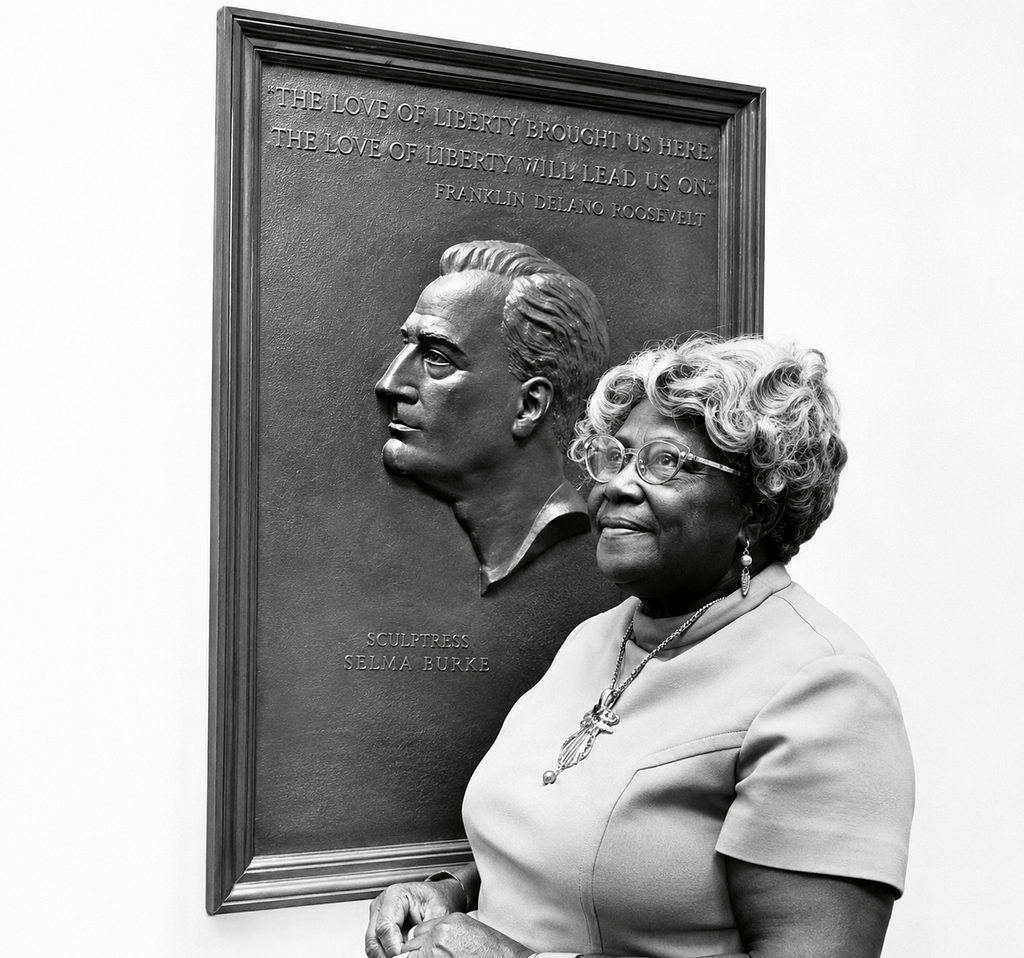
Among the most remarkable people to come from Mooresville was Selma Burke, who was born here in 1900. Burke went on to become a nationally recognized sculptor and an important figure in the Harlem Renaissance. Her portrait of President Franklin D. Roosevelt became the basis for the image used on the U.S. dime. Her story is a powerful reminder that remarkable things could come from a small North Carolina town, even at a time when opportunities were often limited.
A special thanks to Cindy Jacobs. Her book of Legendary Locals of Mooresville helps bring many of the people of Mooresville, and their stories to life. Her work, along with the historical collections of the Mooresville Public Library, shows that the town’s history is much more than a collection of dates and buildings. It is the story of the people who opened businesses, worked in the mills, taught children, built churches, raised families and found ways to make a difference in their community. You can find her book on Amazon Prime. Just go to Legendary Locals of Mooresville by Cindy Jacobs (Author) Format: Paperback
For much of the twentieth century, textiles remained an important part of Mooresville’s economy. Generations of families depended on the mills, and the industry helped shape neighborhoods and everyday life. But eventually the textile industry began to decline. Mills closed or reduced their operations, jobs disappeared and communities across the South were forced to figure out what would come next.
Mooresville faced that challenge just as it had faced others before.
Once again, the answer involved transportation, technology and people willing to try something different.
This time, it was racing.
As NASCAR grew from a regional sport into a national phenomenon, racing teams and racing-related businesses began concentrating in the Charlotte area. Mooresville had many of the things the industry needed—good transportation connections, industrial space, a skilled workforce and proximity to Charlotte. Gradually, racing teams, engine builders, fabricators, engineers and suppliers began making Mooresville home.
The growth of racing changed the community in much the same way the railroad and textile industries had generations earlier. It brought new jobs and new families while creating opportunities in engineering, manufacturing, technology and specialized trades. The town that had once been known for cotton mills was becoming known for race shops.
As NASCAR grew, so did Mooresville’s reputation. Drivers, crew chiefs, engineers and racing organizations became part of the community, and names such as Dale Earnhardt and Dale Earnhardt Jr. helped cement Mooresville’s connection to the sport. The town eventually embraced the nickname “Race City, USA,” a fitting description for a community that had transformed itself yet again.
The racing industry was more than a collection of race teams. It helped bring an entirely new generation of technology and skilled employment to the area. In many ways, it continued a pattern that had started with the railroad. The railroad brought new technology and connected Mooresville to the outside world. The textile mills brought manufacturing and jobs. Racing brought engineering, technology and innovation. Each new chapter changed Mooresville without completely erasing the one that came before it.
By the time Lake Norman was created in the 1960s, Mooresville was already nearly a century old. It had begun as farmland, grown around a railroad siding, become a market town and developed into a textile center. It had churches, schools, businesses, neighborhoods and generations of families who had already called the community home.
The lake would bring another enormous transformation.
Lake Norman attracted new residents, businesses, recreation and development and eventually helped make Mooresville part of one of the fastest-growing areas in North Carolina. The community expanded well beyond the old downtown, and thousands of people who had never known Mooresville before the lake would eventually become part of its story.
But the lake did not create Mooresville.
Mooresville was already here.
Long before people came to the area for lake houses and boating, they came to Mooresville to sell cotton, buy supplies, catch a train, attend church, go to school or work in a mill. Long before the roar of race engines became part of the local soundtrack, the sounds of trains and textile machinery filled the town.
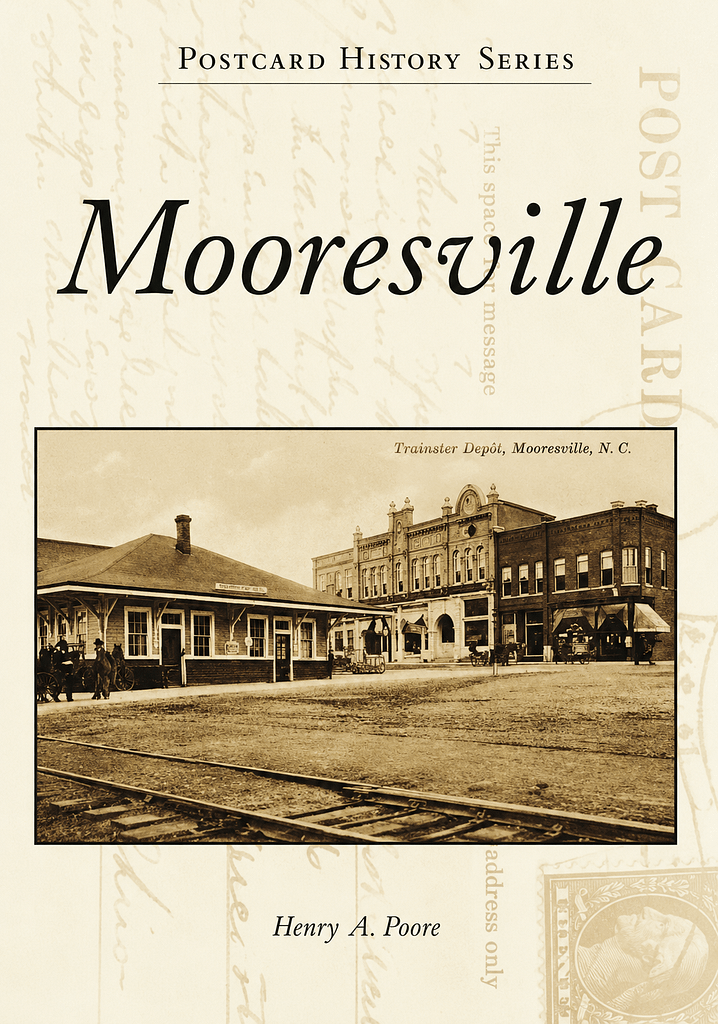
Today, the railroad still runs through the heart of Mooresville, and historic buildings, churches and neighborhoods provide reminders of the community that existed long before Lake Norman. The Mooresville Public Library continues to preserve photographs, newspapers, maps, oral histories and other records that help tell the stories of the people who built the town.
And perhaps that is what makes Mooresville’s history so interesting. It has never been just one thing.
It was a farming community before it was a railroad town. It became a market town before it became a textile town. When textiles declined, Mooresville found another identity through racing and technology. Then Lake Norman arrived and opened the door to another era of growth.
Through every change, the community continued to reinvent itself.
The names and industries may have changed, but the idea that began with John Franklin Moore and that first railroad has remained remarkably consistent: see an opportunity, build something, and keep moving forward.
My Home Town: Mooresville North Carolina – Mooresville Movies – MPL Local History and Archives
This video, as well as many others, can be seen on the Mooresville Public Library website. Do yourself a favor and visit the site.
Today, Mooresville may be known for Lake Norman and NASCAR, but its roots go much deeper. They reach back to the farmers who worked this land, the families who built their homes here, the merchants who lined Main Street, the mill workers who powered the local economy and the people who believed a little railroad siding could become something more.
The lake came later. The racing came later. The growth came later.
The community came first.
This was Mooresville before the lake.
I have lived in Huntersville my entire life. We actually trace my family’s history back for eight generations. When folks hear this, they ask, “What was life like before the lake?” That question inspired me to research the history of the area. This new feature is the result of those questions. I plan to write many articles about “Life Before the Lake” and post them on www.Lknconnect.com’s website.