Life Before the Lake: The Long Island Village Now Beneath Lake Norman
- Life Before the Lake



Before Lake Norman’s shoreline became a destination for boating and waterfront living, the Catawba River was the center of life for communities that depended on its power. Along its banks stood cotton mills, mill houses, and small villages where generations of families worked and raised their children.
One of those communities was Long Island Village. Its cotton mill operated for more than a century, providing jobs and supporting dozens of families. Today, the village lies beneath Lake Norman, but its story offers a glimpse into the lives of the people who called this place home.
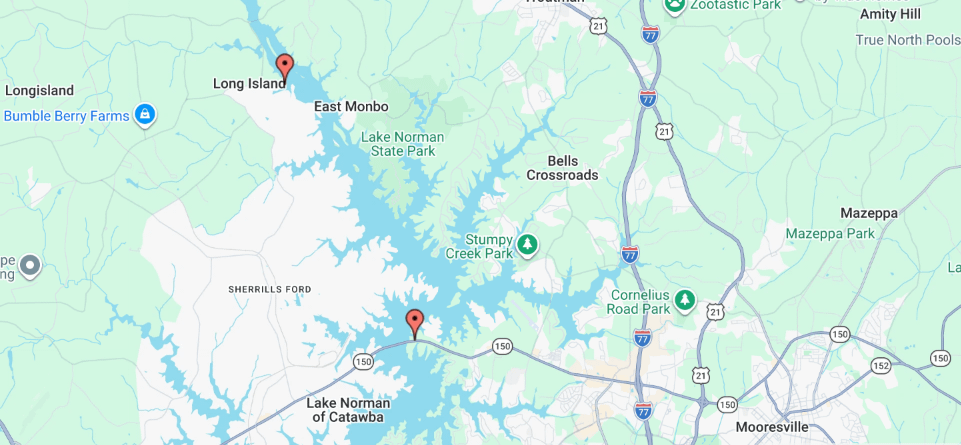
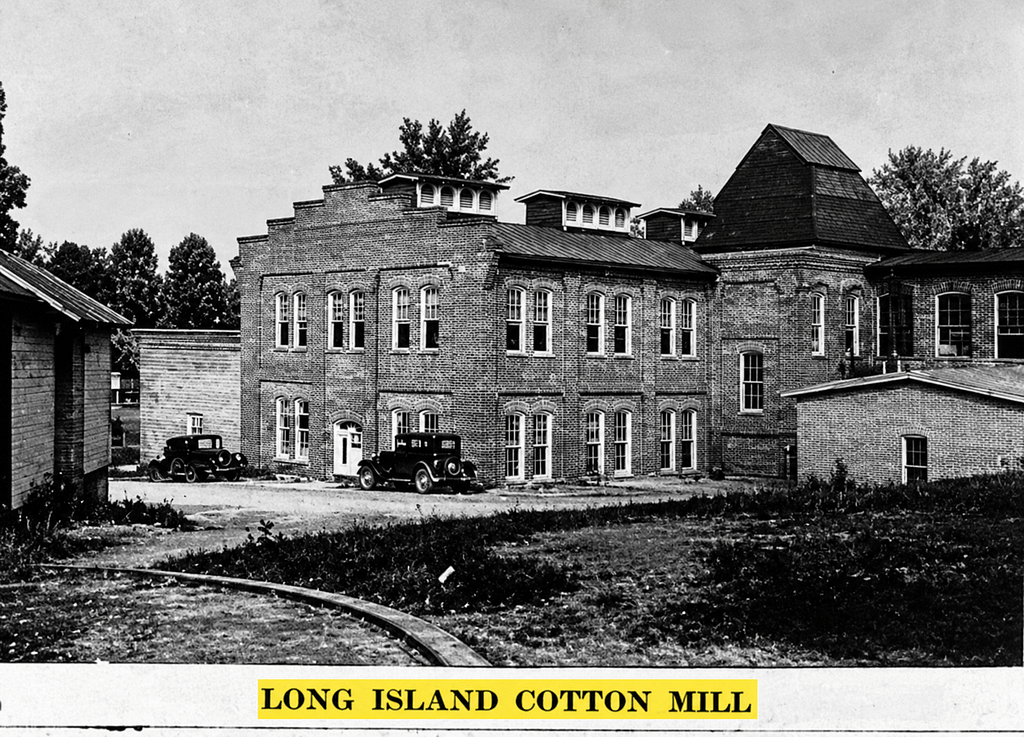
Long Island Cotton Mill was established around 1852 by Avery M. Powell and John J. Shuford on the Catawba County side of the Catawba River, near the present-day Catawba–Iredell county line. The river provided the waterpower needed to operate the machinery, making the location well suited for an early cotton mill.
The mill changed hands over the years. In the late nineteenth century, James Brown, an English-born businessman who had immigrated to America in 1863, became its owner. Brown settled in Catawba County with his family and became an important figure in the mill’s history.
The operation expanded around the turn of the twentieth century, when a large red-brick building housed machinery capable of operating 4,632 spindles. In 1919, a concrete dam replaced the earlier log dam across the river, providing additional power for the growing operation.
Remarkably, water continued to power the mill’s machinery until 1945. The river that made the mill possible remained central to its operations for generations.
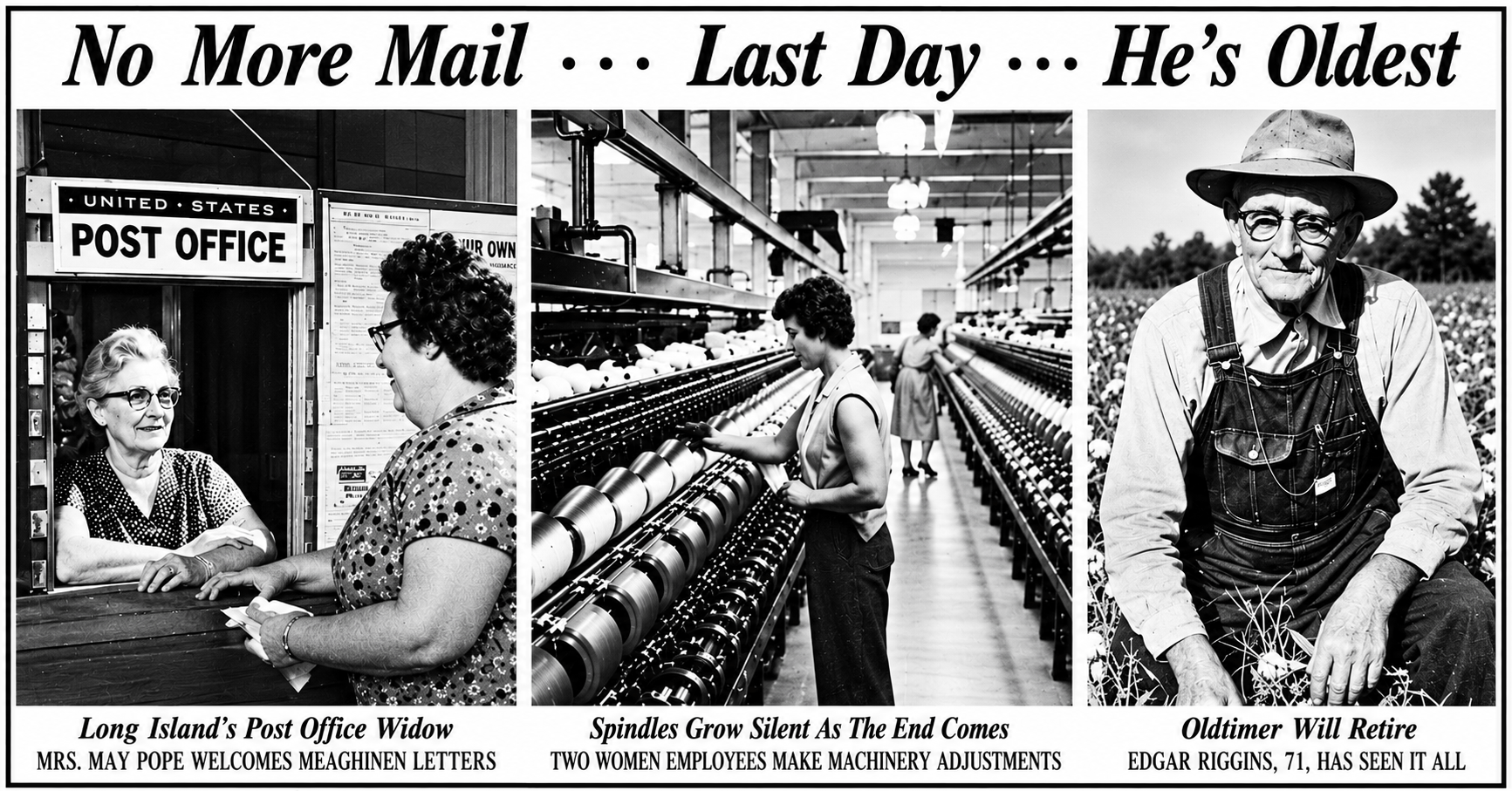
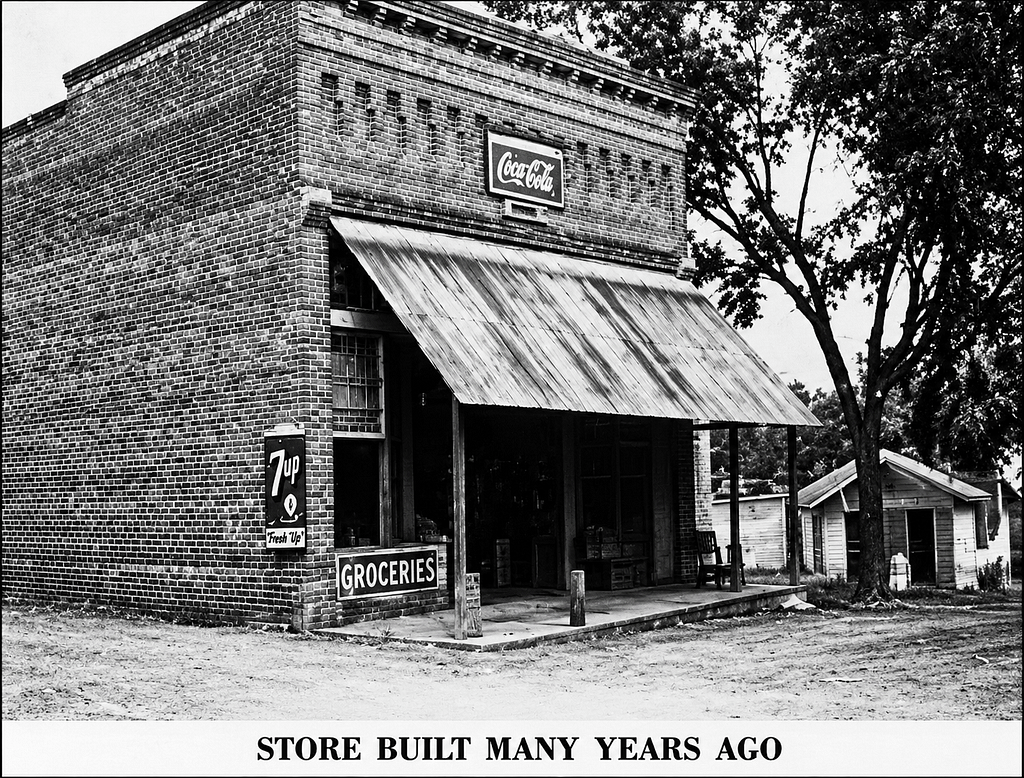
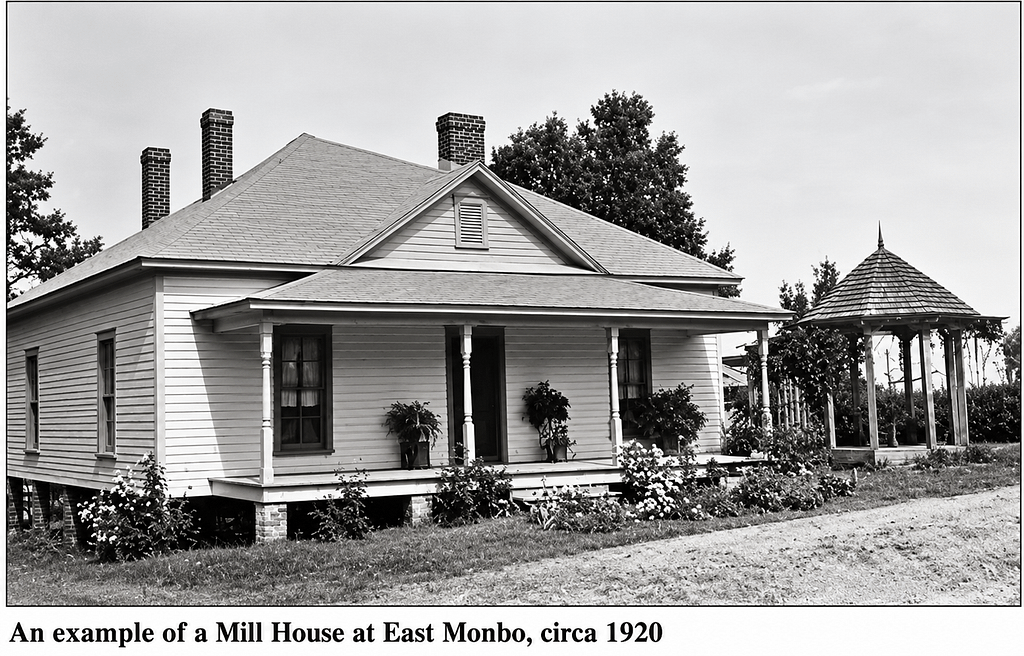
Long Island was much more than a factory. The village included white-frame mill houses, a company store on a hill, a post office, a cotton gin, and a telegraph office. The mill stood at the center of community life, and the daily routines of its residents revolved around the demands of the factory.
Click the video link below to hear firsthand accounts from former mill employees featured in a YouTube segment created to promote a Catawba Valley exhibit held in 2018..
For many families, however, life in the village was difficult. An account in The Heritage of Catawba County, Volume I, by James G. Williams Jr., describes his grandmother’s struggle after the death of her husband. She moved to Long Island with her six children, where the family worked to make ends meet.
According to the account, the mother and her older children earned 10 cents each for a 12-hour workday. Two children between the ages of eight and ten were paid 10 cents together, as though they were one employee.
Cash wages were reportedly paid only one week each month. During the other three weeks, workers received what were called “due bills,” which could be redeemed only at the company store.
The arrangement left families dependent on the mill for both their income and many of their necessities. Behind the mill’s impressive production figures were people working long hours, including children, to support their households.
By the time Long Island closed in 1959, approximately 120 regular employees worked at the mill. A commemorative monument erected six years later records that about 52 families earned their livelihoods there.
Long Island’s past also included a crime that shocked the community. James Brown was murdered in 1894, an event later recounted by Joel Reese in a 2017 article published by the Statesville Record and Landmark.
According to Reese’s account, Brown suspected someone was stealing from the company store. He was killed during an attempted robbery, and his daughter Essie, who worked as a clerk at the store, discovered his body.
The investigation eventually led to Thomas F. Covington, who confessed to shooting Brown during the robbery. Covington was hanged on February 13, 1896.
The murder was one of the most troubling episodes in the mill’s history. Yet the business continued. Brown’s son Osborne later took over its operation and managed the mill for decades before its final years under other ownership.
By the late 1950s, a project of enormous scale was changing the Catawba River and the communities along its banks. Duke Power was constructing Cowans Ford Dam and creating the reservoir that would become Lake Norman.
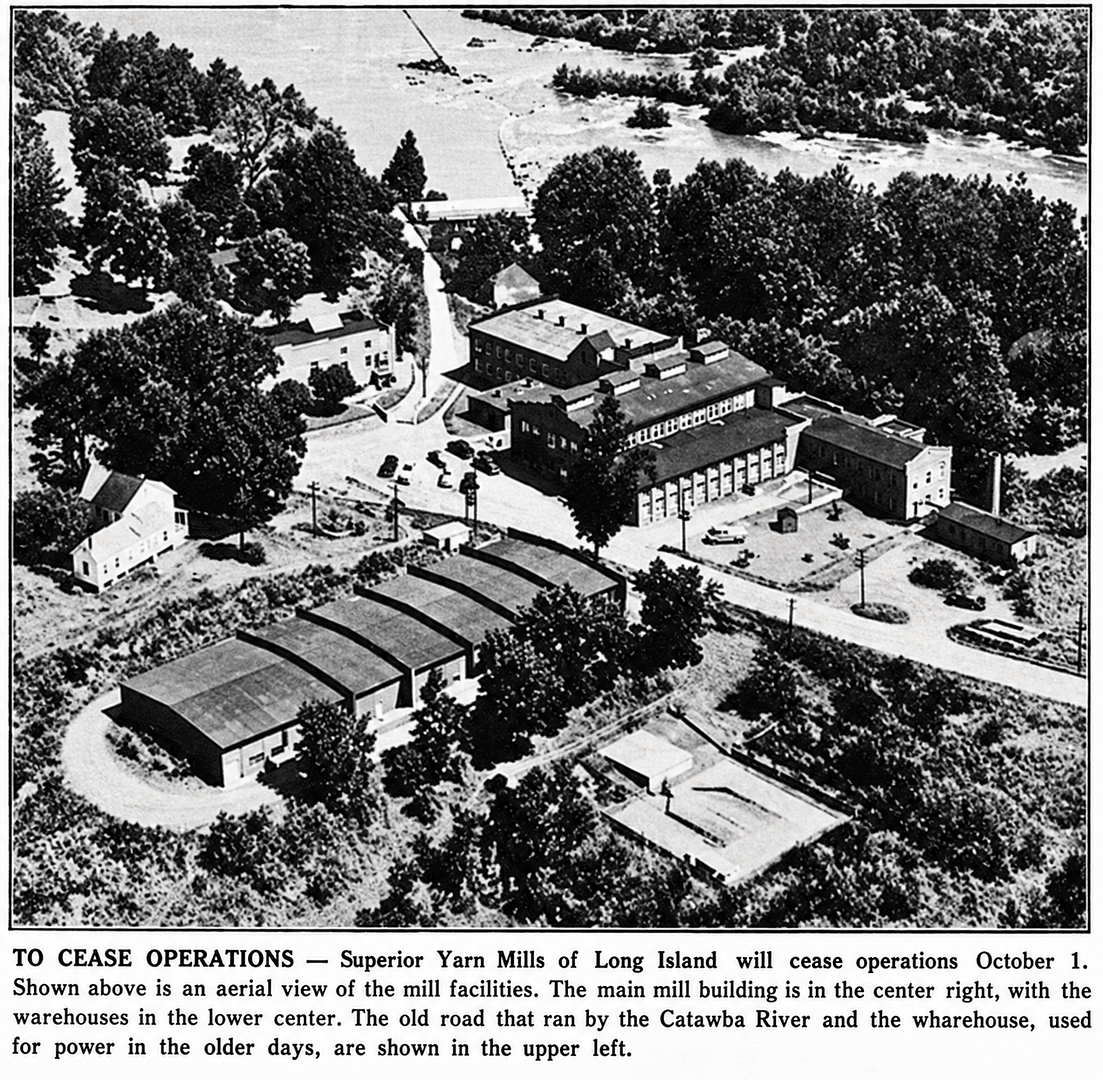
Long Island Cotton Mill closed on October 3, 1959, bringing an end to an operation that had stood beside the river for more than a century. The mill’s closure was part of the larger transformation that would place the village beneath the lake.
Residents faced the loss of their homes as well as their jobs. According to Davidson College’s Under Lake Norman historical archive, occupants could obtain mill houses if they were able to arrange and pay to move them beyond the future flood area. Houses that were not moved were demolished to prevent them from becoming floating debris when the reservoir filled.
The mill building was also demolished, and most of its machinery was moved to the Superior Mills plant in Mount Holly.
As the water rose, the village’s homes and industrial buildings disappeared. The river that had powered the mill became part of a vast lake, permanently changing the landscape and the lives of those who had lived along its banks.
Long Island’s history was not entirely forgotten. On August 10, 1965, Monogram Grange No. 1078 dedicated a boulder monument commemorating Long Island Village and Cotton Mill. The marker credits Charles A. McNeil with providing historical information and records the mill’s founding around 1852 and its closure in 1959.

The inscription remembers the approximately 52 families who earned their livelihoods there when the mill closed. It stands as a lasting reminder of a community that can no longer be seen in the landscape around Lake Norman.
Today, Lake Norman’s waters conceal the place where Long Island Village once stood. The mill buildings are gone, the homes have disappeared, and the river that powered the factory has become part of the lake. Yet the monument preserves a reminder of the families whose lives were tied to this community. Long Island’s story reminds us that before Lake Norman became a destination, it was home to people whose lives helped shape the history of this region.

I have lived in Huntersville my entire life, and my family’s history in the area reaches back eight generations. Questions about what life was like before Lake Norman inspired me to research and share the history of our communities.
Through LKNConnect’s Life Before the Lake series, I hope to preserve the stories of the people, places, and events that shaped our region long before the lake became part of everyday life.