Life Before the Lake: The Historic Churches That Shaped Our Communities
- Life Before the Lake

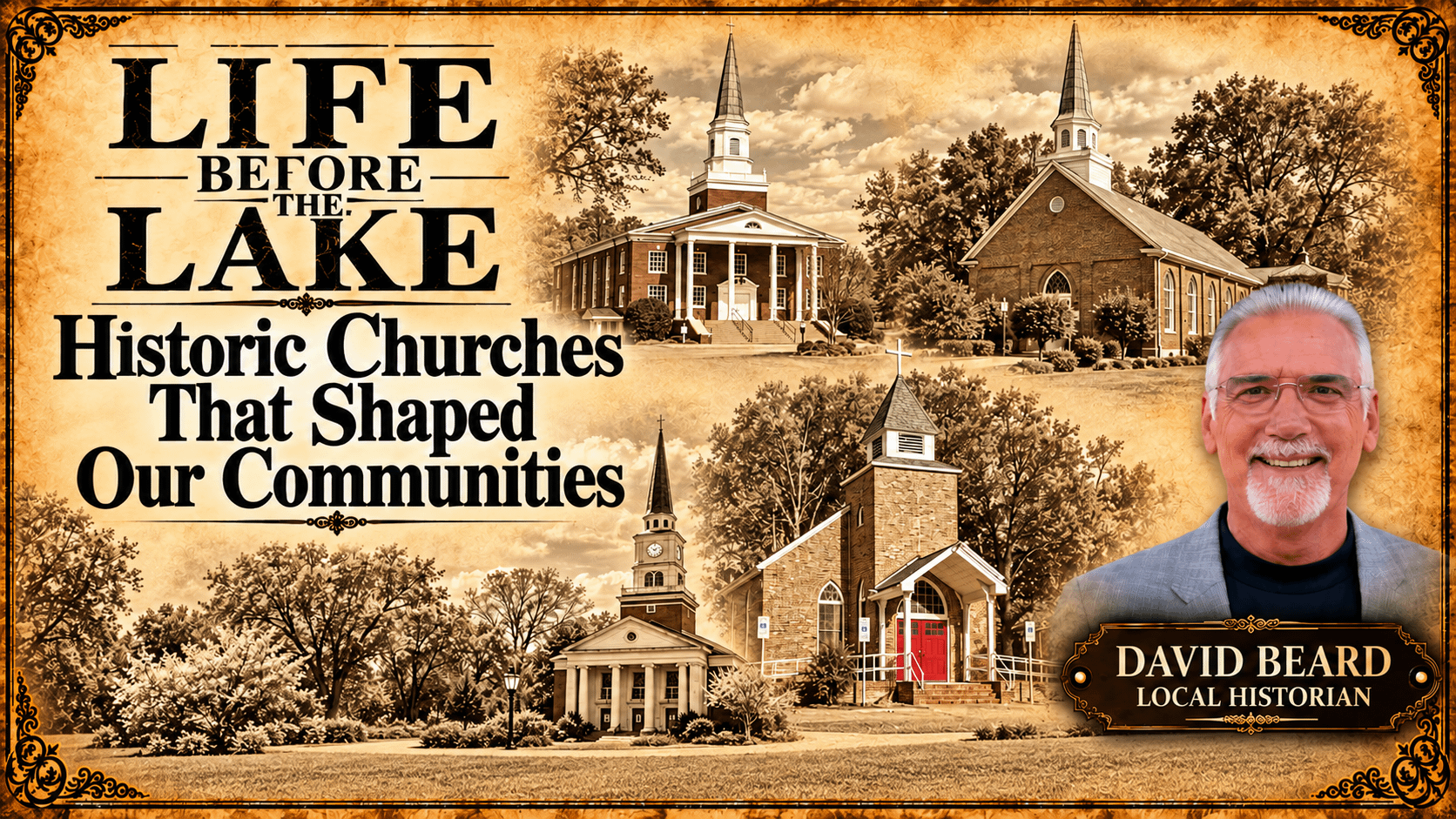

Long before Lake Norman transformed the landscape of northern Mecklenburg and southern Iredell counties, the countryside was defined by family farms, winding dirt roads, small settlements, and churches that served as the heart of community life. These congregations offered more than Sunday worship. They provided places for fellowship, education, support, and gathering during times of celebration and hardship.
Many of these churches were established generations before the lake was created in the 1960s. Their histories reflect the faith, determination, struggles, and changing circumstances of the people who built our communities. Some began in simple log meetinghouses or brush arbors, while others grew into congregations that continue to serve the Lake Norman area today.
As we explore these historic churches, we also encounter a more complicated history—one that includes the contributions of enslaved African Americans, the unequal conditions under which they worshipped, and the development of independent Black congregations. These stories are an important part of our shared local heritage.
This article draws on a variety of historical sources, church histories, and available records. While every effort has been made to ensure accuracy, some details may be incomplete or differ from other accounts.
I sincerely apologize for any errors or omissions. If you have corrections, additional information, family stories, or photographs to share, I would be grateful to hear from you.
Please leave a comment below or email me directly at Dbeard@LKNConnect.com. Together, we can help preserve the rich history of our Lake Norman communities for future generations.
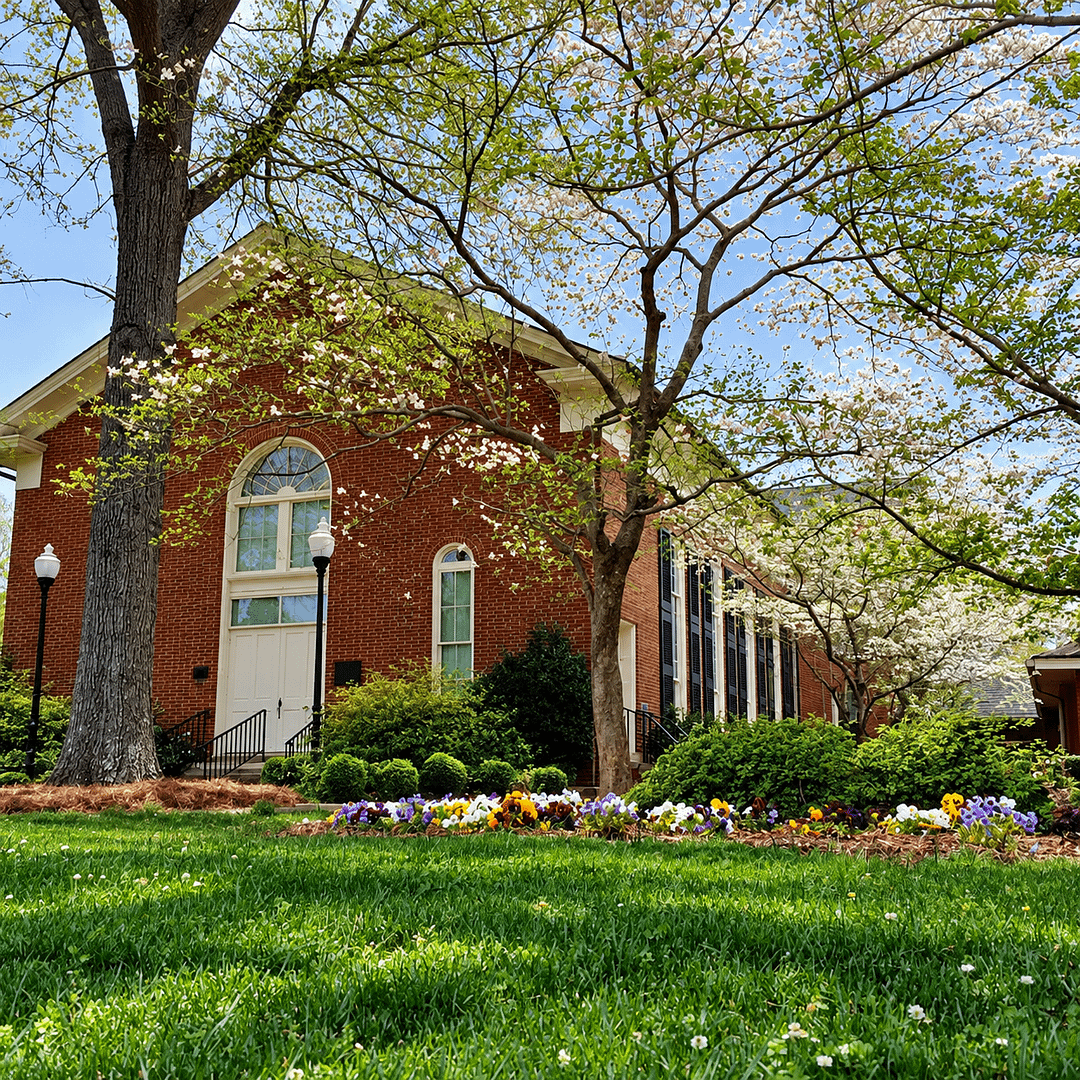
Hopewell Presbyterian Church traces its official founding to 1762, although Presbyterian gatherings in the area began earlier. In the years before a permanent church stood, worshippers met in homes and outdoor gatherings, including at the home of Richard Barry, about a mile north of the present church.
The congregation grew during a period when settlers were establishing farms and communities across the Carolina backcountry. Its earliest meetinghouse was likely a simple log structure. By the 1830s, a brick meetinghouse had been built, and the church was remodeled in 1859 in the Federal style.
Hopewell’s history also includes an important connection to education. A former wooden church building was moved to the farm of the Rev. John Williamson. His wife, Sarah, transformed it into a school for girls, remembered in local histories as an early female academy in the region.
The church cemetery preserves the names and stories of generations of North Mecklenburg families. Its history also reminds us that the contributions of enslaved people were part of the church’s story, even though they did not enjoy equal treatment. Historical accounts describe Lewis Phifer, an enslaved mason, as the craftsman responsible for the cemetery’s gateposts and steps.
Records also document the presence of enslaved members at Hopewell before the Civil War and the baptism of African American children during the war years. Yet racial segregation shaped worship and burial practices, and African Americans were excluded from burial in the church cemetery. Recognizing both participation and inequality helps present a fuller account of the congregation’s past.
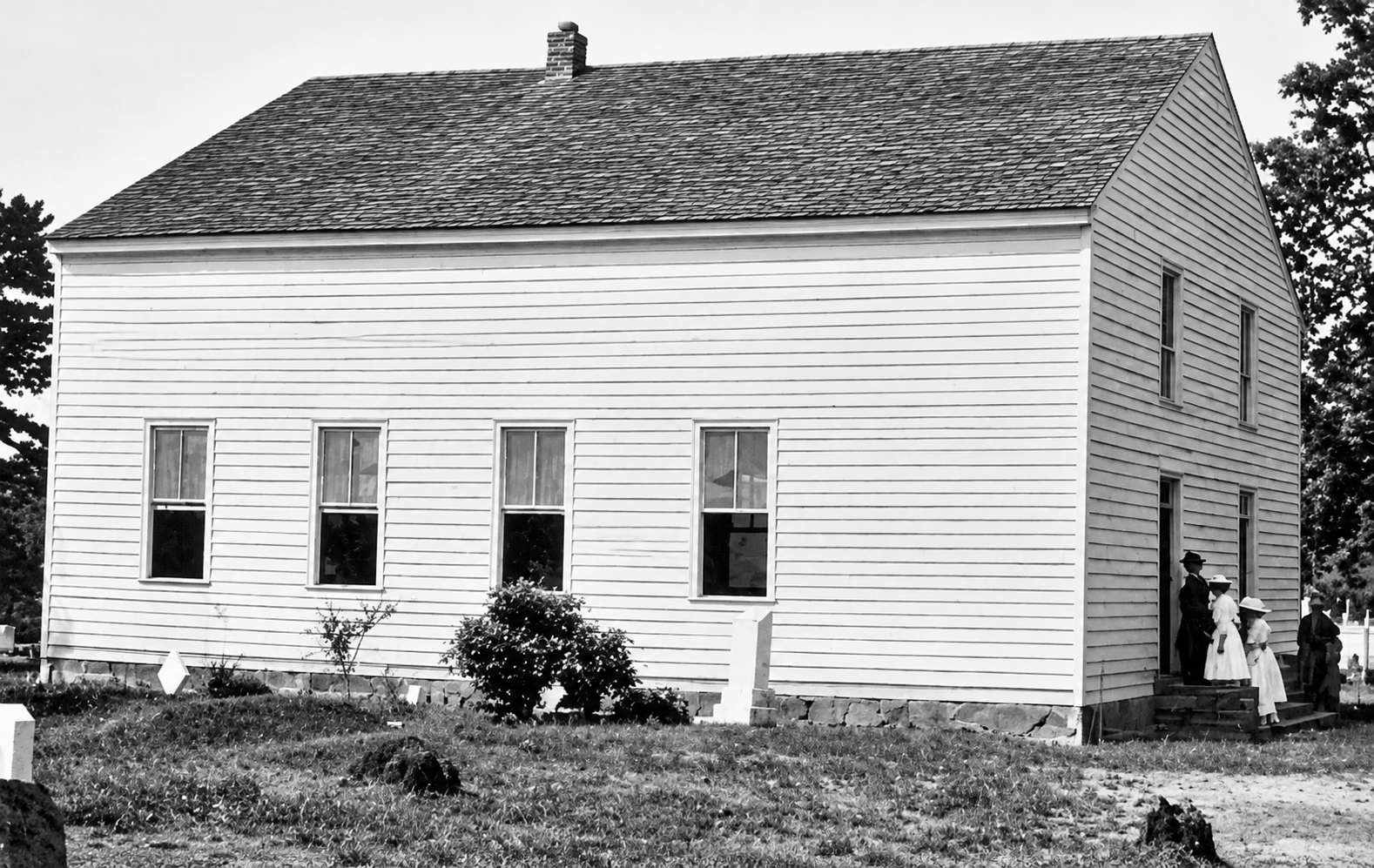
Unity Presbyterian Church began in 1764 as Beattie’s Meeting House, established by pioneer John Beattie near a grove of oak and hickory trees and a spring. Like other early congregations, it began with a simple meeting place where neighbors gathered for worship in a largely rural landscape.
The congregation endured the Revolutionary War and continued to grow. Its early buildings reflected the needs of the community: a church was built in 1808, followed by a clapboard structure in 1833. The later building included a rear gallery used by enslaved worshippers, a reminder of the racial divisions embedded in church life during that era.
A new church building was completed in 1931. Decades later, the creation of Lake Norman changed the landscape around Unity in a way that earlier generations could hardly have imagined.
When Duke Power completed Cowan’s Ford Dam in 1963 and the lake began to fill, Highway 73—which had passed Unity on the way toward Davidson—was diverted. Unity Church Road eventually ended at the lake. The church remained, but the familiar roads and countryside around it had changed forever.
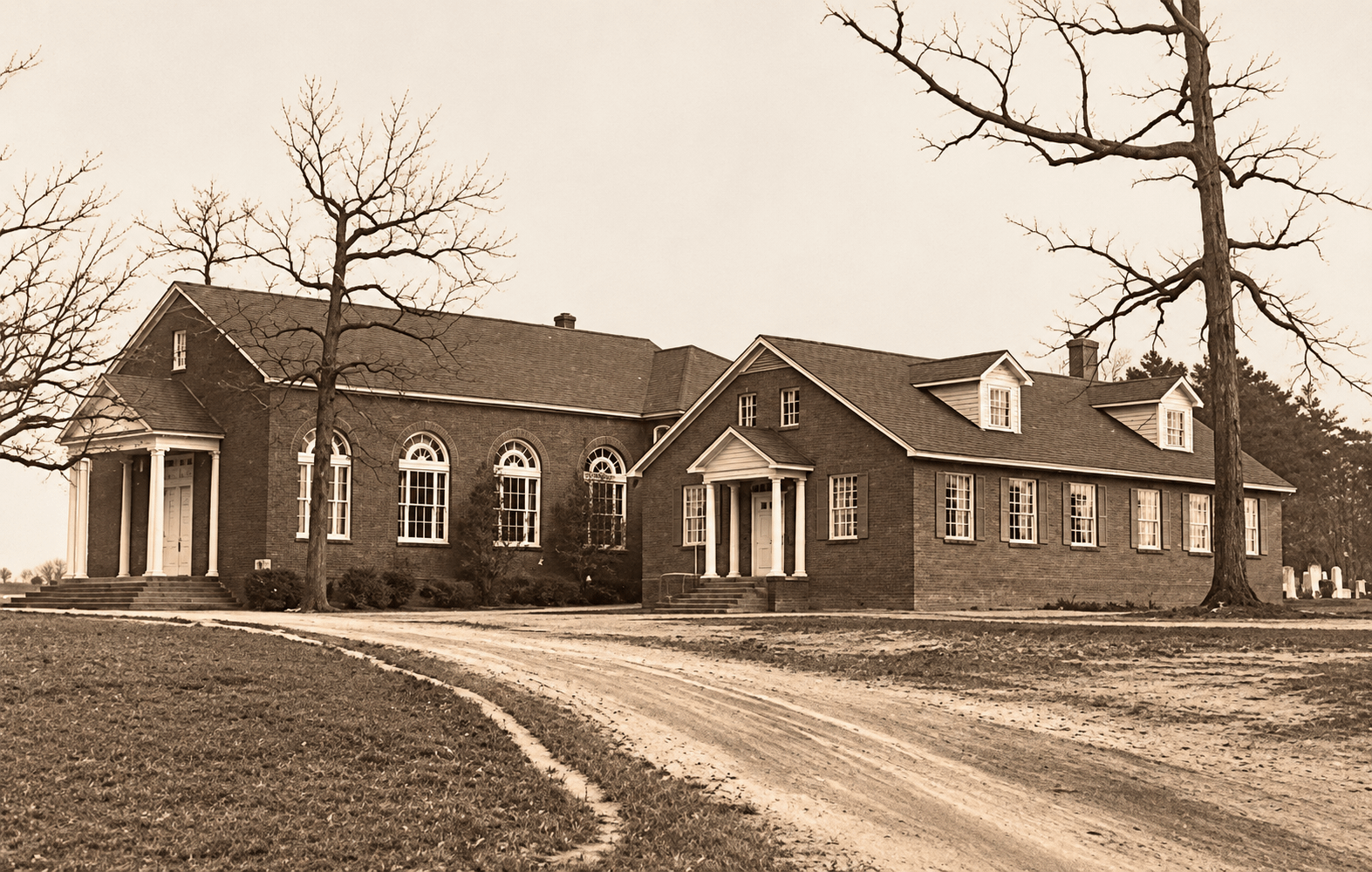
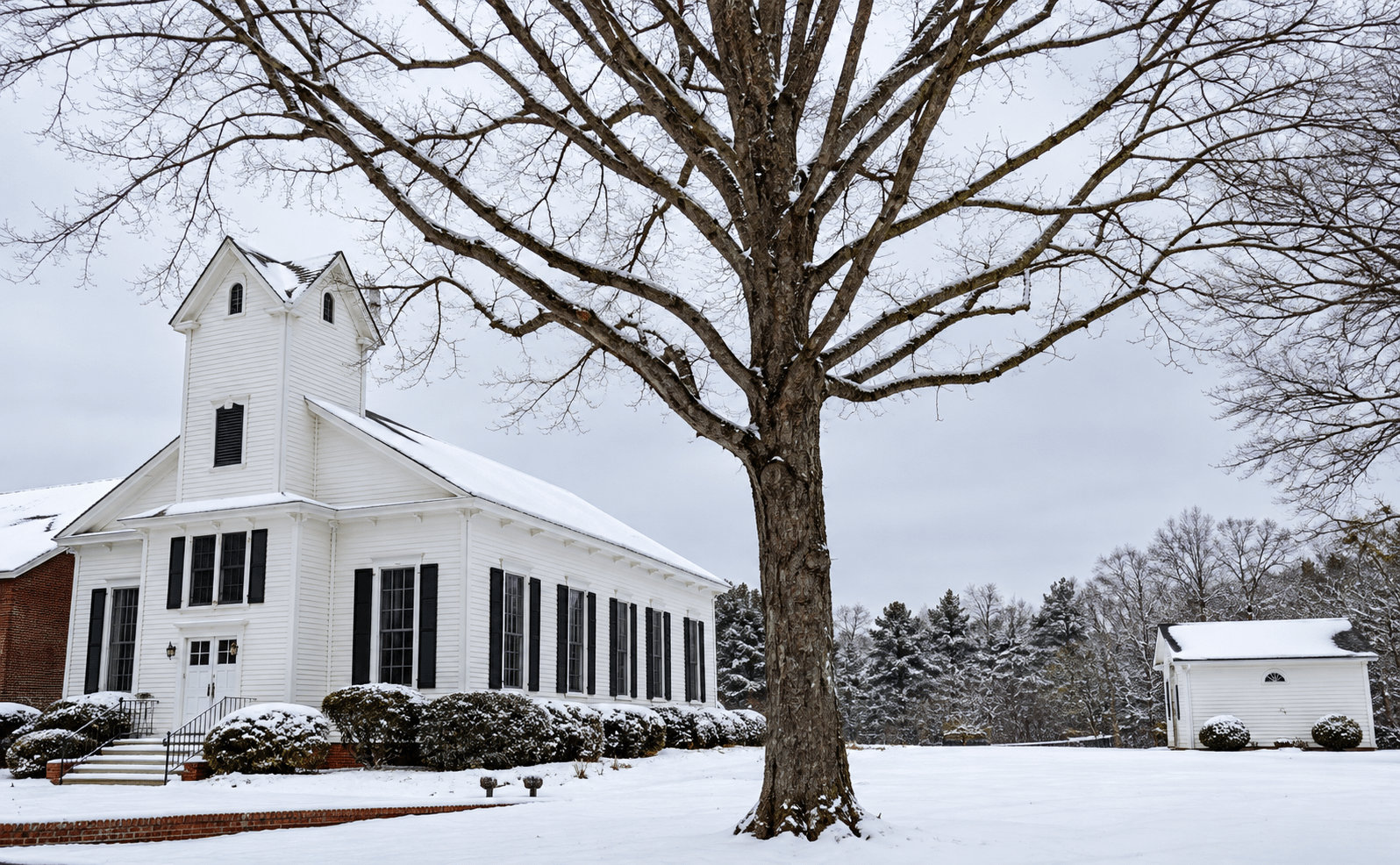
Coddle Creek Associate Reformed Presbyterian Church has roots reaching into the earliest years of organized worship in the region. Although the congregation’s exact founding date remains uncertain because early church records were lost and county records were destroyed, a historical account records missionary Hugh McAden preaching to a congregation known as Coddle Creek on September 21 and December 21, 1755.
Those visits establish that a congregation was already gathering there by the mid-1750s. The earliest church was reportedly a log building, used until 1839. A replacement followed, and after that building burned, the present church was constructed in 1884.
The church grew alongside a rural community of scattered farms and small crossroads businesses. Blacksmiths, hatters, tanners, and tailors served local residents, while log-rollings, barn raisings, weddings, and other gatherings brought neighbors together.
Education was another important part of the community’s story. Poplar Grove Academy was established on church grounds around 1838 by the Rev. John Witherspoon. For more than four decades, the school prepared boys and girls for further education, including college.
Like many institutions of its time, Coddle Creek also reflected the racial divisions of the era. Its history is best understood by acknowledging both the community it helped sustain and the inequalities that shaped life within it.
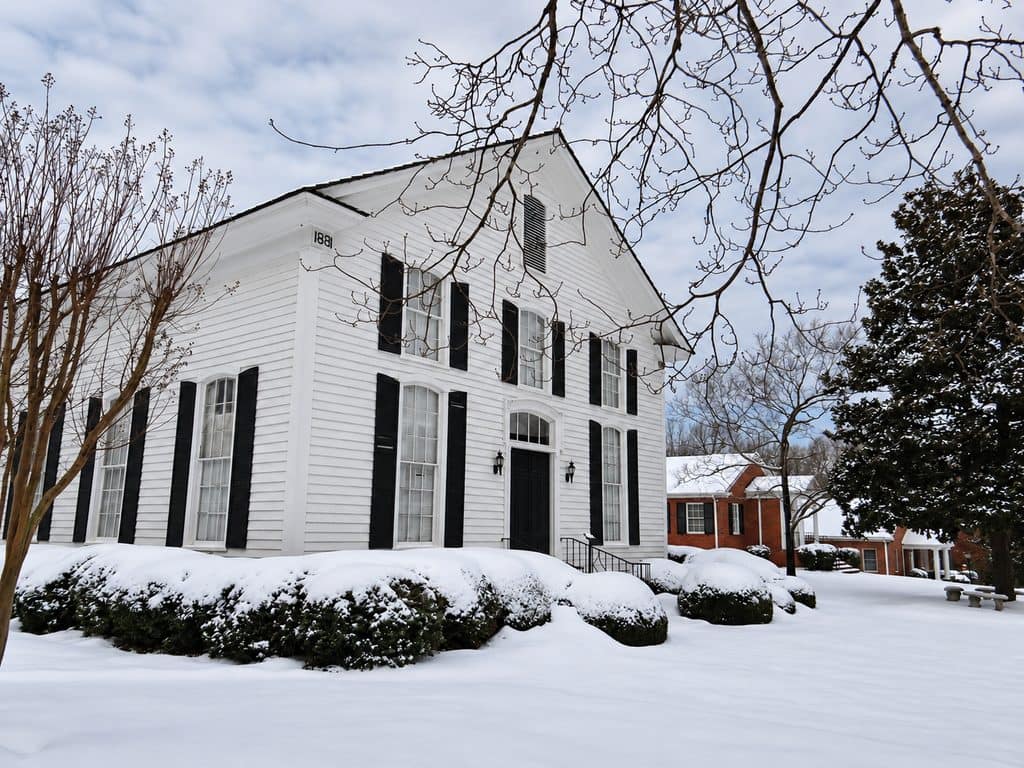
Ramah Presbyterian Church began with gatherings in a brush arbor at Ramah Grove sometime in the mid-1700s. Before formal buildings and established roads, these outdoor meetings offered settlers a place to worship and build a community of faith.
A log structure or session house was reportedly in place by 1783. The congregation took the name Ramah from the Bible, and the Rev. John Carrigan served as its first pastor from 1795 to 1805.
The cemetery provides another window into the church’s early history. Benjamin Brown, remembered as its first burial, was interred there in 1801. The present sanctuary was built in 1881, linking the congregation’s early beginnings with a building that has stood through generations of change.
As the surrounding area developed, Ramah remained a witness to the transition from an agricultural countryside to the growing communities that now surround Lake Norman.
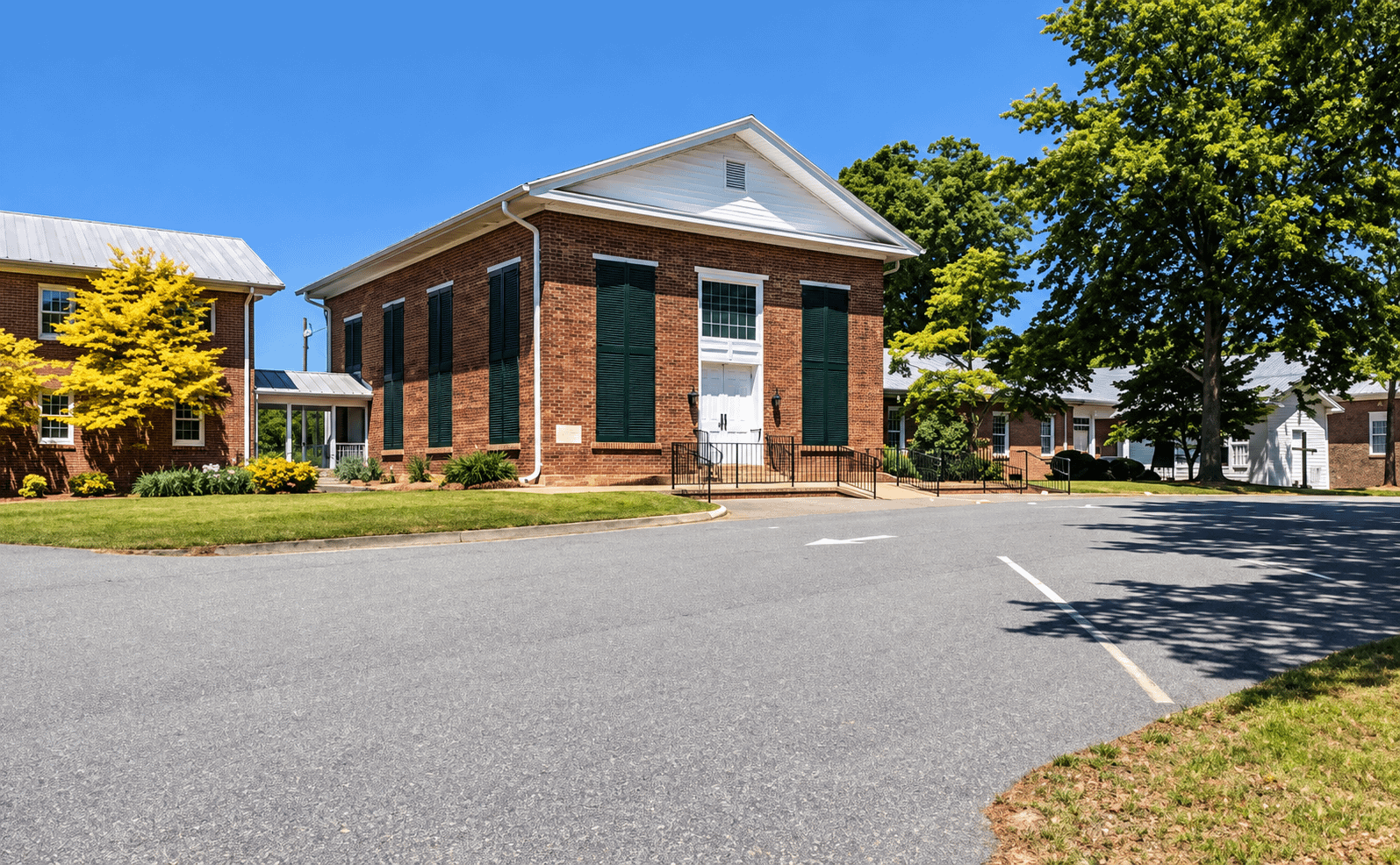
Centre Presbyterian Church, established in 1765, is among the region’s early Presbyterian congregations. Its history reflects the faith communities that took root as settlers moved through what is now southern Iredell County and the surrounding countryside.
Churches such as Centre were important gathering places in an era when homes and farms were widely scattered and travel could be difficult. Congregations provided a shared spiritual life and helped connect families across rural communities.
Centre’s story is also connected to the development of other churches in the region. When Prospect Presbyterian Church was organized in 1824, some of its early members transferred from Centre, illustrating how congregations helped support the growth of new communities of faith.
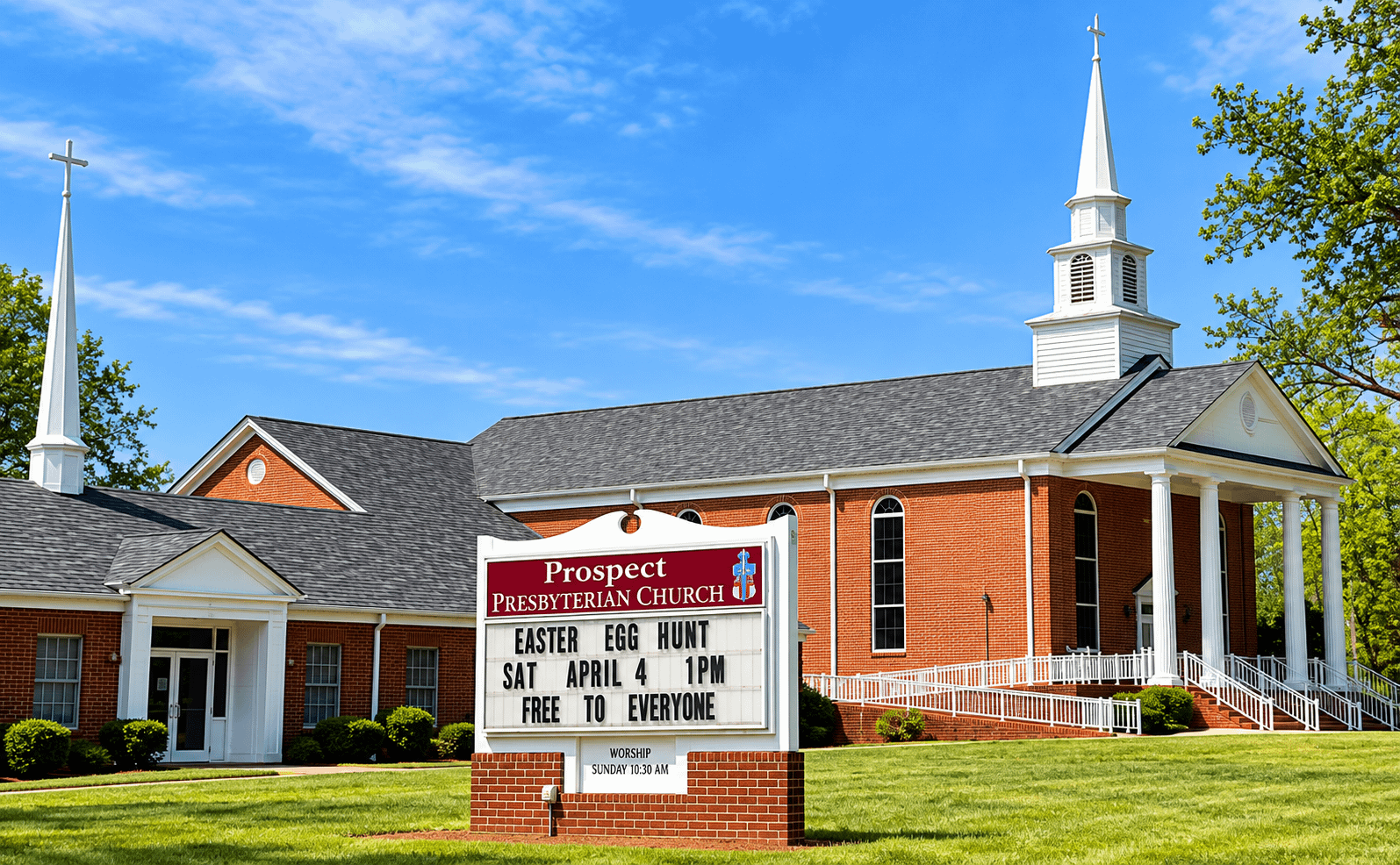
Prospect Presbyterian Church was organized in 1824 with approximately 20 members. Many came from Centre Presbyterian Church, reflecting the way new congregations emerged as settlements expanded and travel to existing churches became less convenient.
Prospect grew substantially during the nineteenth century. By 1866, its membership had reached 384, making it one of the largest churches in Concord Presbytery at the time. Its original log building was eventually replaced by a large frame sanctuary in the late 1850s. The current brick church was completed in 1951.
Prospect also played a role in a major educational development. When Concord Presbytery met at the church in 1835, it adopted a resolution to establish Davidson College. That decision helped shape the future of the nearby town of Davidson and left the congregation connected to an institution that would become an important part of the region.
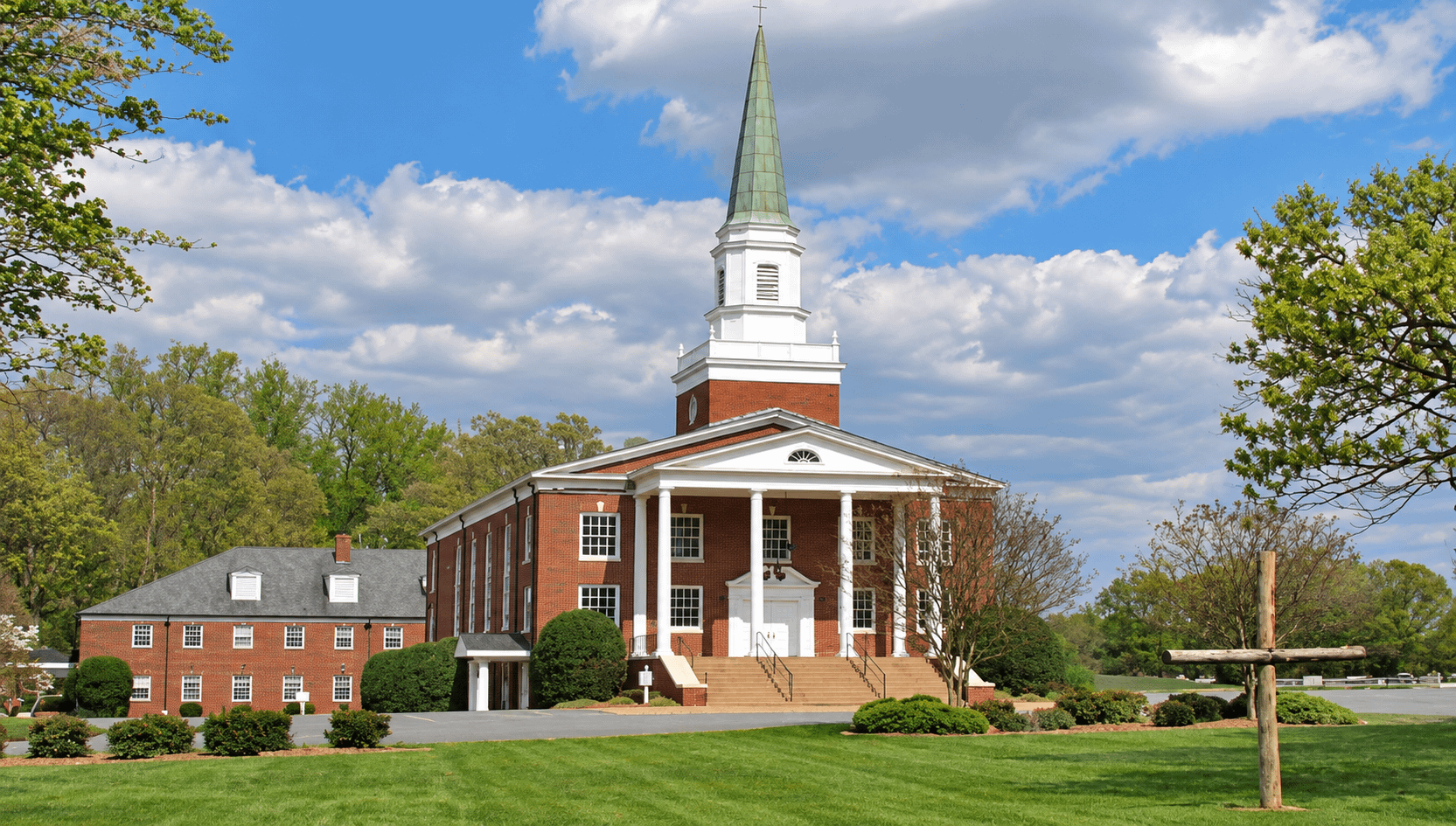
Mount Zion United Methodist Church traces its congregation to the 1820s, with records documenting its presence by 1827. The church’s present site dates to 1835.
Its history reflects the growth of Methodist worship in a countryside where congregations often began with modest buildings and close-knit groups of families. As Cornelius and the surrounding communities developed, Mount Zion continued to serve as a place of worship and fellowship.
The church’s longevity offers a reminder that the religious landscape of the Lake Norman area was established well before modern roads, suburban neighborhoods, and the lake itself transformed the region.
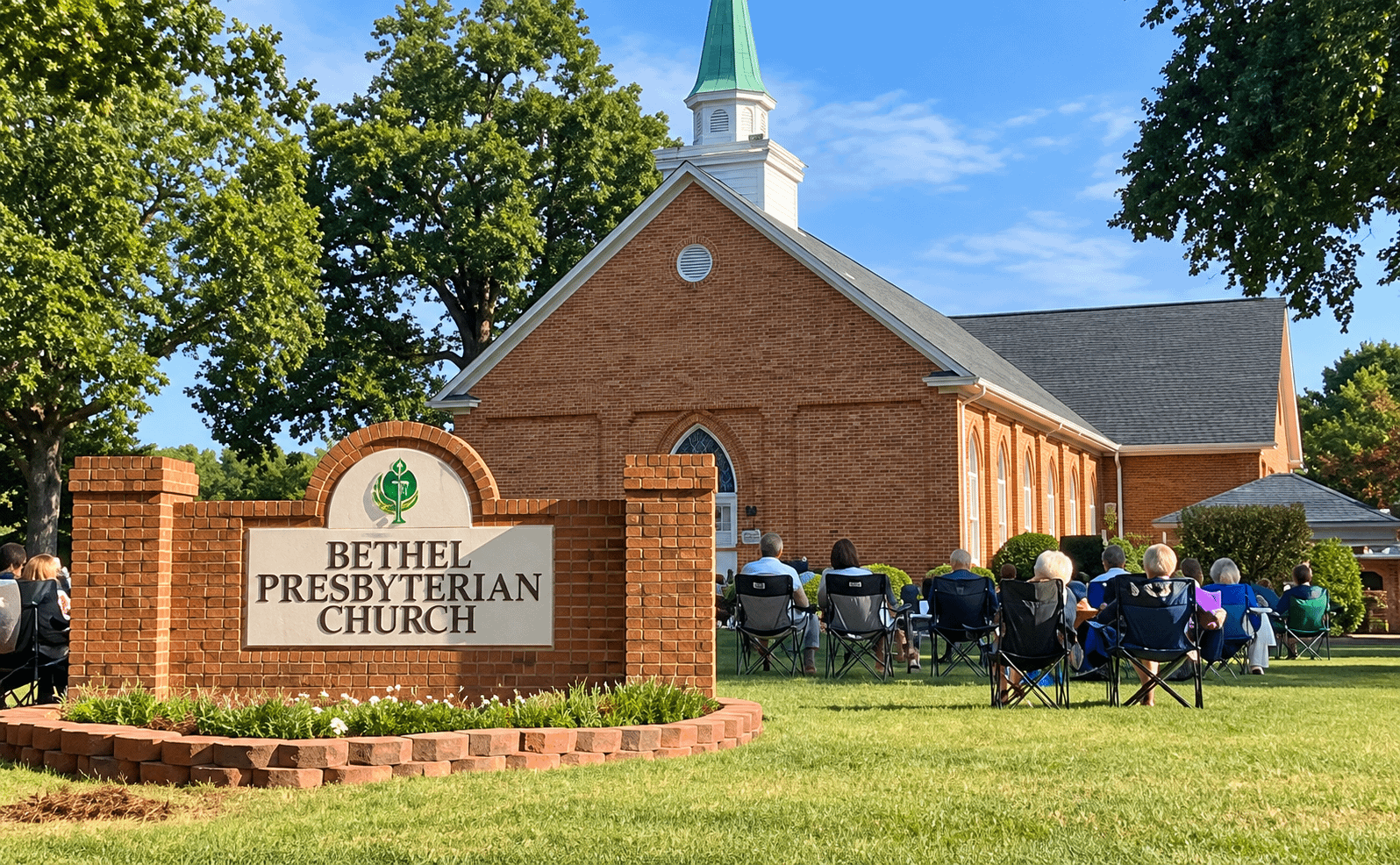
Bethel Presbyterian Church was founded in 1828 to serve families in and around what is now Cornelius. In those days, travel on rough roads to churches farther away, including Hopewell and Ramah, could be difficult. A congregation closer to home made regular worship more accessible.
Members built the first sanctuary in 1830, donating lumber for the project. The church’s history includes a memorable example of community resourcefulness: chickens were raised as part of a fundraising effort to pay for a pulpit.
The present brick sanctuary was completed in 1896. Through the years, Bethel remained a center of worship and community life as the area changed around it, including through two world wars and the eventual creation of Lake Norman.
Today, Bethel’s story is part of the larger history of Cornelius—a community whose rural roots remain visible even as the town has grown and changed.
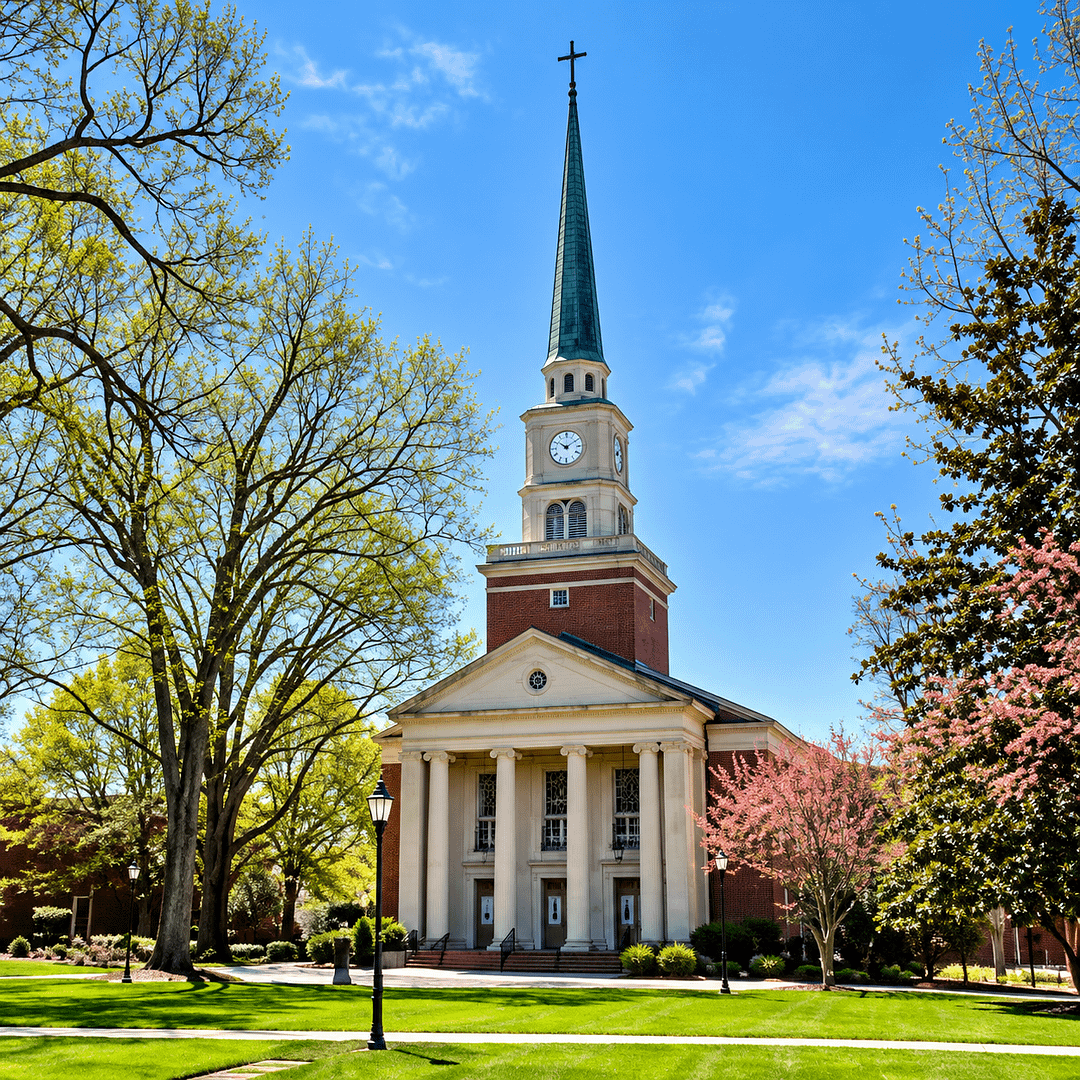
The history of Davidson College Presbyterian Church is closely tied to the development of Davidson and the establishment of Davidson College. As the college and surrounding town took shape in the nineteenth century, a Presbyterian congregation became part of the community’s religious and civic life.
The church’s story belongs to a period when education, faith, and community development were deeply connected across the region. Its relationship with the college reflects the lasting influence of Presbyterian institutions in the area.
The exact date of the congregation’s organization should be confirmed against church records before publication, but its historical connection to Davidson’s early development makes it an important part of the region’s religious heritage.
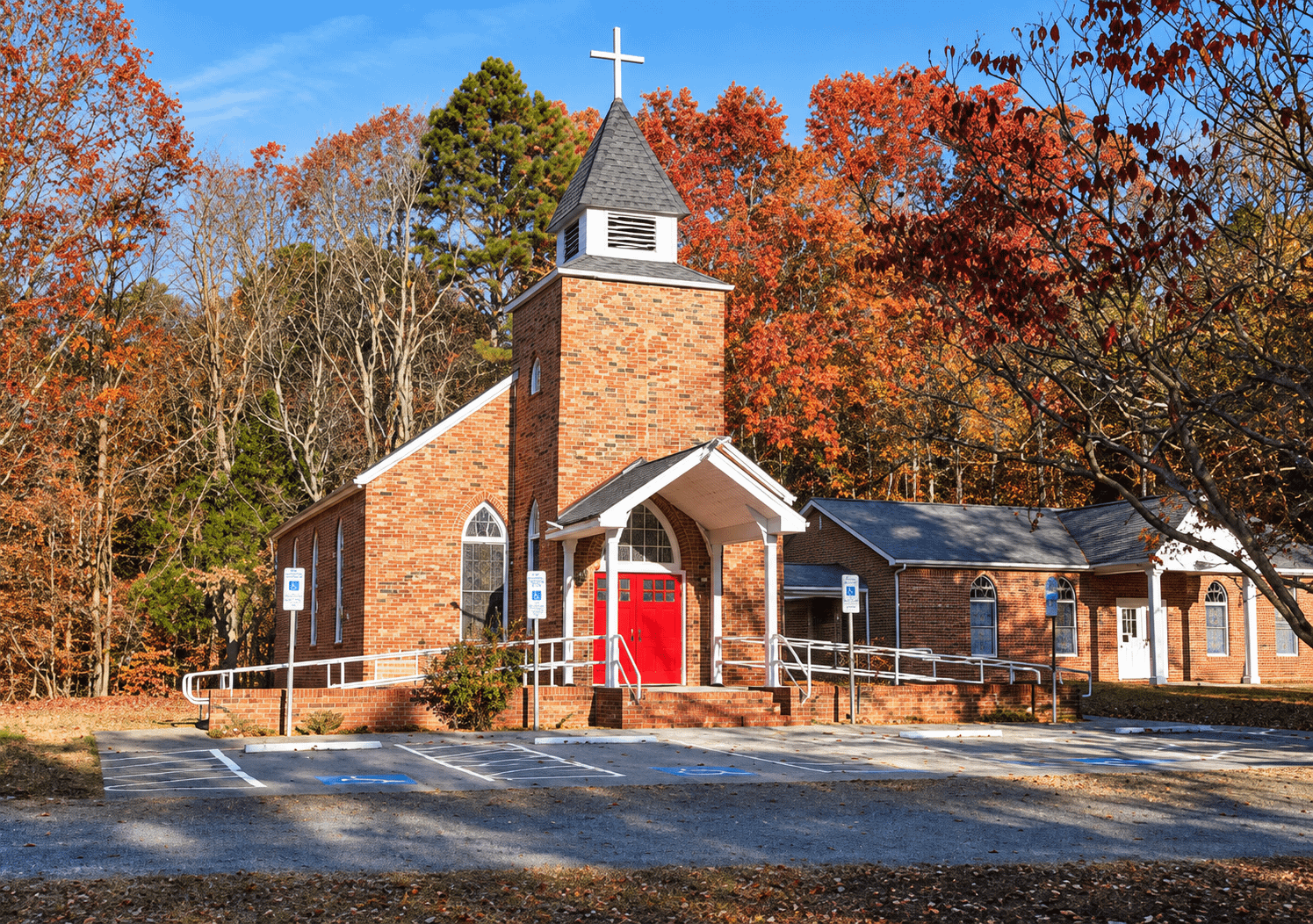
Episcopal worship in the Mooresville area reaches back to the late eighteenth century. Services were reportedly held in the home of the Mills family as early as 1794. The Rev. Robert Johnson Miller, who was initially ordained as a Lutheran minister and later became an Episcopal priest, was associated with these early services.
The parish was formally organized on February 24, 1856. At the time, the congregation was small, and clergy often traveled long distances to serve rural families. The Rev. George Badger Wetmore preached in homes and schools across western Rowan and Iredell counties and baptized children in scattered communities.
Charles N. Mills and his family played an important role in the church’s establishment, donating land for the church and cemetery. The church was built in 1856 and has remained in the same location, retaining much of its historic character and furnishing.
The interior also reflects the racial hierarchy of the period. A choir loft was originally used by enslaved people and servants, a physical reminder of the unequal conditions under which people participated in religious life.
St. James’ history shows how clergy and congregations served families across a broad rural landscape long before modern transportation made travel easier.
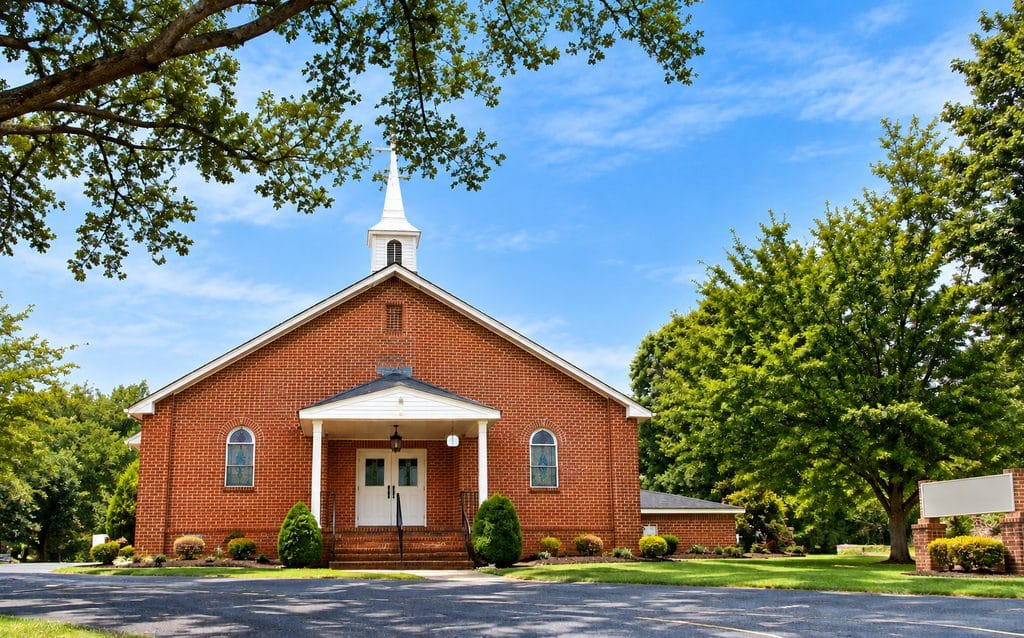
Torrence Chapel AME Zion Church tells an important story of African American faith, leadership, and perseverance. Founded by the Rev. Ephrim Torrence a few years before 1869, the congregation began worshipping in a brush arbor near Smithville, a small Black settlement near present-day Cornelius.
In 1869, the congregation moved to its present location and built a frame church on land donated by the Glaspie family. The church later constructed another frame building in 1909, followed by its first brick structure, begun in 1928.
The congregation’s story is especially significant when considered alongside the history of racial segregation in other local churches. African Americans helped sustain religious life in the region, often under unequal conditions, while also establishing their own congregations and institutions.
Torrence Chapel became a source of spiritual leadership for the wider community. Its growth also helped give rise to other congregations, including Union Bethel AME Zion and Reeves Temple AME Zion.
Its history is a testament to the determination of people who built and maintained their own places of worship, education, fellowship, and community leadership.
Several other congregations were established before the October 28, 1876, cutoff for this look at churches that will be at least 150 years old in 2026. Their histories broaden the picture of religious life across the Lake Norman countryside.
These congregations, together with the older churches described above, illustrate how religious communities developed across the region as families settled, towns grew, and new generations established their own places of worship.
The history of churches around Lake Norman cannot be told fully without recognizing the experiences of African Americans. Enslaved people participated in religious life in some congregations, but their participation often took place under restrictions imposed by slavery and segregation. Access to worship, leadership, church facilities, and burial grounds was not equal.
At the same time, African American communities built their own churches, supported their neighbors, and developed institutions that became essential to community life. Torrence Chapel AME Zion Church is one example of that history, beginning in a brush arbor and growing into a lasting congregation.
These stories deserve to be included not as footnotes to the region’s history, but as an essential part of it. They help us understand both the faith that sustained people and the social conditions that shaped their lives.
For generations, these churches stood among farms, wooded roads, mills, and small crossroads communities. Their congregations traveled familiar routes, often by foot, wagon, or later by automobile, to attend worship and gather with neighbors.
The creation of Lake Norman in the 1960s changed that landscape dramatically. As Duke Power developed the Catawba River hydroelectric project and the lake filled behind Cowans Ford Dam, roads were rerouted, farms and familiar landmarks disappeared beneath the water, and communities adapted to a new geography.
Unity Presbyterian Church offers a clear example of the change: the diversion of Highway 73 and the end of Unity Church Road at the lake altered the church’s relationship to the surrounding countryside. Across the region, the lake brought new opportunities and growth, but it also marked the end of an older rural landscape.
The churches remained as links to that earlier world. Their buildings, cemeteries, records, and family memories help preserve a sense of place amid the region’s transformation.
The historic churches of the Lake Norman area are more than old buildings. They are records of the people who settled the land, raised families, worshipped together, educated children, supported neighbors, and endured profound changes in the world around them.
Their histories are not all complete, and not every date or detail has been preserved in the same way. That makes the memories of longtime residents, descendants, church members, and local historians especially valuable.
As LKNConnect continues its Life Before the Lake series, we invite readers to share old photographs, family stories, church records, and memories that can help expand or correct the historical record. Together, we can keep the stories of the people and places that shaped our communities alive for generations to come.