Life Before the Lake has become one of LKNConnect’s most popular series, taking readers back to the people, places and communities that existed long before Lake Norman became the place we know today.
This week, we’re returning to Chapter One for those who may have missed the beginning — and for longtime readers who would enjoy another look at where the story started.
And you don’t have to stop with Chapter One.
Want to explore more of Life Before the Lake? Read any — or all — of the chapters published so far and discover more of the fascinating history that shaped the Lake Norman region.
Explore the complete Life Before the Lake series here:
Life Before the Lake™ — Discovering the stories that came before Lake Norman.
The Story of Adam Sherrill and the First Settlers Along the Catawba River
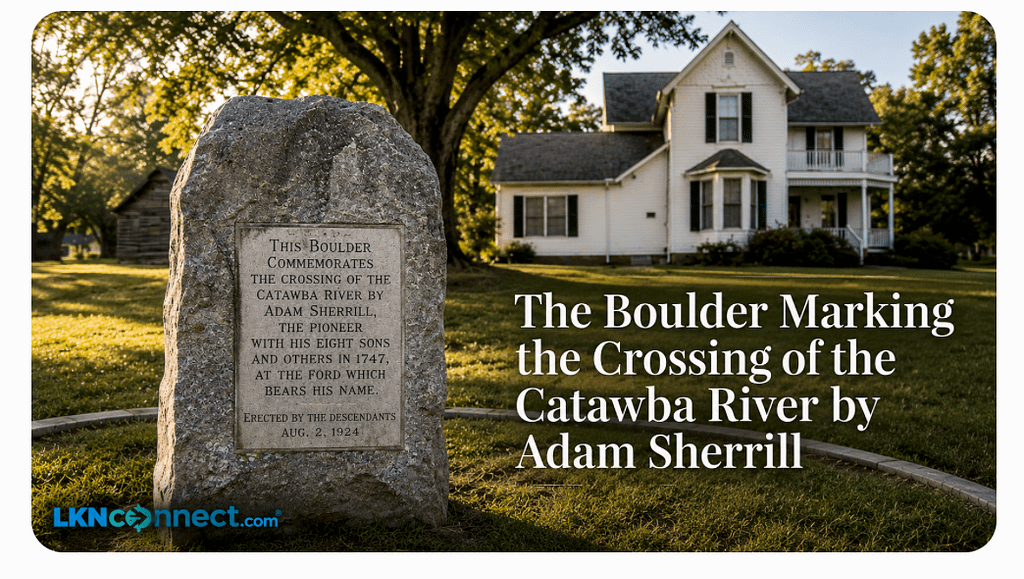
Before Lake Norman existed, before Interstate 77 connected our communities, and before waterfront neighborhoods lined the shoreline, the Catawba River flowed through a rugged frontier inhabited by Native Americans, early settlers, and pioneering families whose names still appear throughout our region today.
Many of the roads, communities, and landmarks around Lake Norman trace their origins back to a time long before the lake itself was created. This new LKNConnect series, Life Before The Lake™, explores the people, places, and events that helped shape the area we now call home.
The Catawba Nation

Long before European settlers arrived, the ancestors of the Catawba Indian Nation lived along the banks of the Catawba River.
The people known as the Kawahcatawba, meaning “People of the River,” built bark-covered homes, cultivated corn, squash, and beans, fished the river, and hunted throughout the Carolina Piedmont.
For generations, the Catawba were among the most powerful tribes in the Carolinas. Their villages stretched along the river system that still bears their name today. Like many Native American tribes, however, they were devastated by European diseases. A smallpox epidemic in 1738 dramatically reduced their population, and by 1780 only a fraction of their original numbers remained.
“The People of the River lived here centuries before Lake Norman was ever imagined.”
A Pioneer Named Adam Sherrill
5
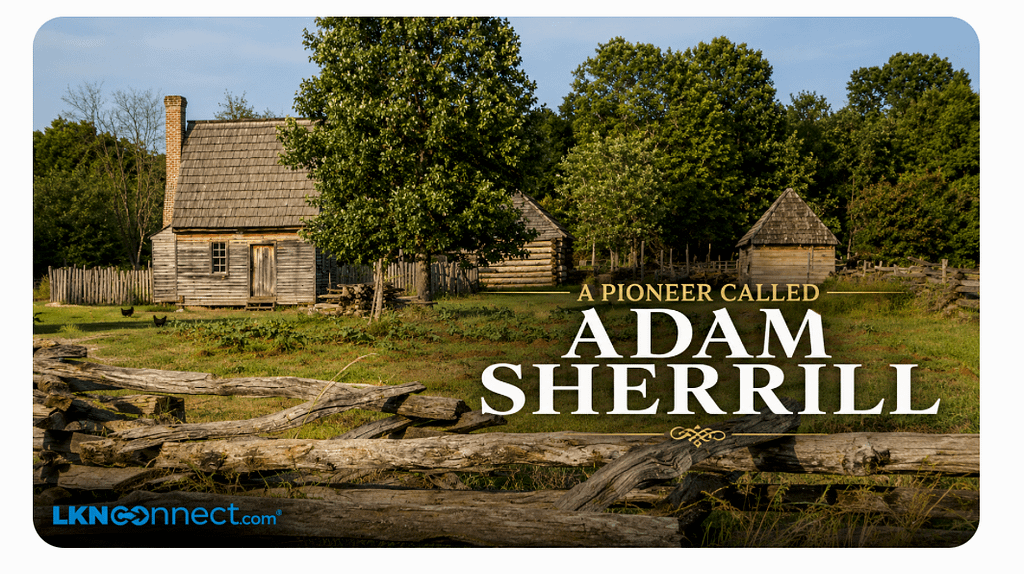
In 1747, a pioneer named Adam Sherrill arrived from Virginia and settled along the west bank of the Catawba River.
According to local history, Sherrill spent two days exploring the river in search of a safe crossing. He eventually discovered a shallow area where three islands made passage easier. Some accounts suggest he found the location after observing buffalo crossing the river.
That crossing became known as Sherrill’s Ford.
Two years later, in 1749, Adam received a land patent for acreage on the west side of the river and established one of the area’s earliest permanent settlements.
Today, more than 275 years later, the community of Sherrills Ford still carries his name.
A Unique Advantage on the Frontier
What made Adam Sherrill different from many settlers of his era was his ability to communicate with Native American tribes.
As a child in Pennsylvania, Sherrill reportedly lived among members of the Susquehanna Tribe and learned an Iroquoian language. Because both the Cherokee and Catawba tribes spoke related dialects, he was able to communicate with people that many settlers could not.
Historians believe this helped him negotiate agreements that allowed his family to remain in the area while other settlers often faced conflict and danger.
His ability to bridge cultures may have played an important role in the success of one of the region’s earliest settlements.
Before Charlotte

It’s difficult to imagine today, but when Adam Sherrill established his homestead along the Catawba River, Charlotte did not yet exist.
More than twenty years later, a settlement known as Charlottesburg would be founded roughly ten miles to the south. That small community eventually grew into the modern city of Charlotte.
When Adam crossed the Catawba River in 1747, he was truly living on the edge of the Carolina frontier.
The Growth of Cotton
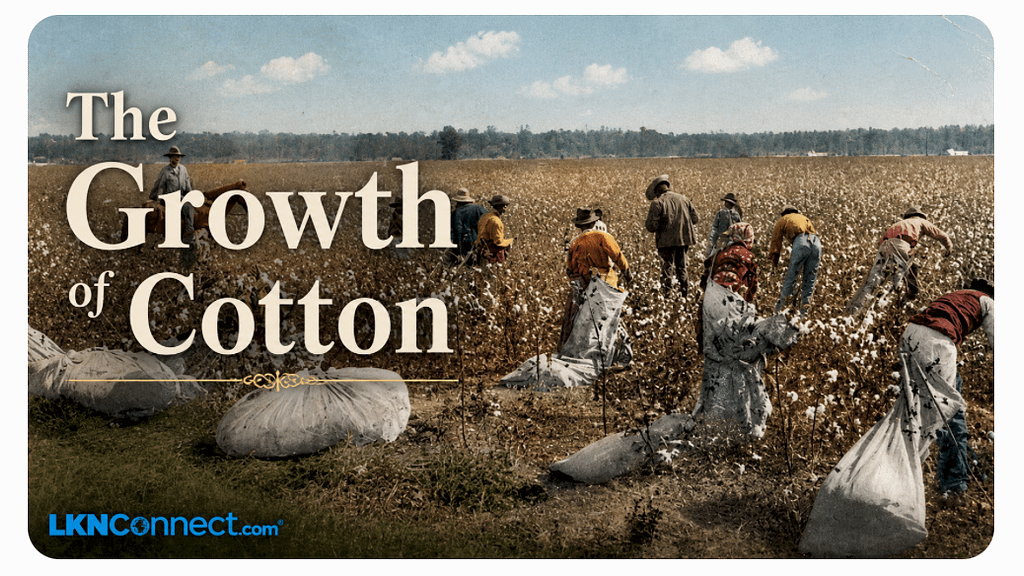
As settlement increased, agriculture became the economic engine of the region.
The fertile bottomlands surrounding the Catawba River proved ideal for growing cotton, and the crop quickly became a major source of income for local farmers.
As cotton production expanded, textile mills began appearing in communities that would eventually become Davidson and Cornelius. The cotton industry helped shape the economy, growth, and identity of many Lake Norman-area towns.
In future editions of Life Before The Lake™, we’ll take a closer look at how cotton transformed the communities we know today.
Did You Know?
Quick Facts About Early Lake Norman History
• Sherrills Ford was established decades before Charlotte.
• The community takes its name from Adam Sherrill’s river crossing.
• The families of Sherrill, Torrence, Jetton, and Potts were among the earliest settlers in the region.
• The Catawba River existed for centuries before Lake Norman was created in 1963.
Sources
“Sherrill’s Ford Named for Catawba Pioneer, Adam Sherrill Crossed River in 1747 and Built Homestead on West Bank,” Charlotte Observer, March 18, 2007.
Photo credit: S. Bowman
About LKNConnect
LKNConnect is Your Daily Guide to Shopping, Dining & Living in Lake Norman.
Through local stories, events, business features, history, and community connections, we help bring local to life every day.
Be sure to join LKNConnect and through Weekly Connections™receive the week’s most-read stories, upcoming events, and community highlights delivered directly to your inbox.
Your Community. Your Stories. Your Connections.
Source: Adam Sherril and Sons, Sherrills Ford. Photo by S. Bowman

I have lived in Huntersville all my life. My grandkids, who live on our farm off Gilead Road, are the eighth generation in the area. I am often asked about “Life Before The Lake,” which sparked my interest in discovering Lake Norman’s history.
It has been exciting to research the area. In doing so, I have been introduced to writers Chuck McShane (A History of Lake Norman), Cindy Jacobs (Images of America, Around Lake Norman), and Leslie B. Rindoks (A Town By Any Other Name). They have all published books about the history of the area. Much of the information I am writing about comes from their books. I have also gathered information from the Historical Society groups from the surrounding towns.