
“What began as a community’s determination to educate its children became one of northern Mecklenburg County’s most influential centers of hope, opportunity, and service.”
In Davidson’s historic Westside neighborhood, a familiar brick building stands as a monument to far more than education. It tells a story of determination in the face of adversity, of neighbors coming together when opportunities were scarce, and of a remarkable woman whose vision helped shape generations of lives.
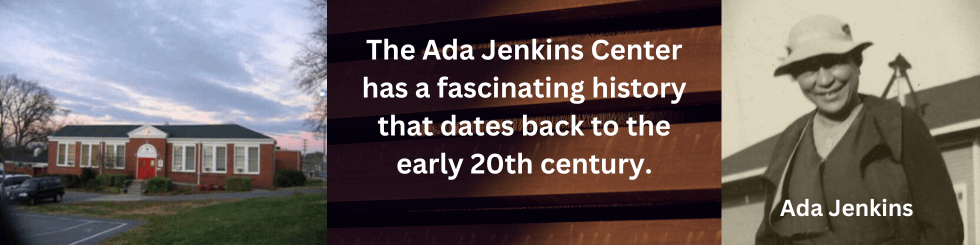
For nearly a century, the building now known as the Ada Jenkins Center has served as a beacon of hope and opportunity. Long before it became one of northern Mecklenburg County’s most respected community organizations, it began as the dream of a community determined to ensure that its children had a chance to learn, grow, and succeed.
Today, the Center serves thousands of residents throughout Davidson, Cornelius, Huntersville, and beyond. Yet its roots stretch back to a time when educational opportunities for African Americans were limited and communities often had to create their own pathways to progress.
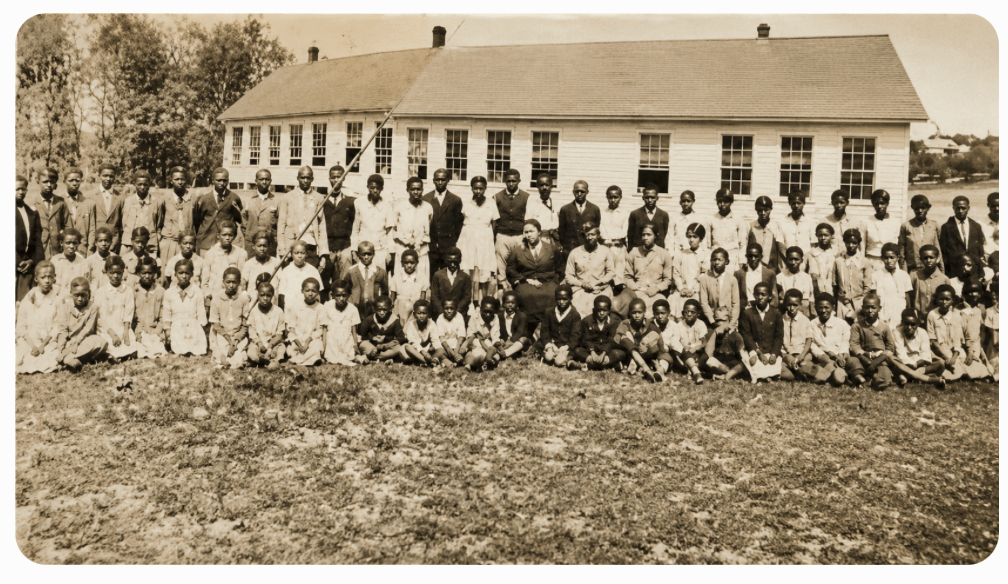
In the early twentieth century, Black children in Mecklenburg County faced significant barriers to education. Across much of the South, Rosenwald Schools—funded through a partnership between philanthropist Julius Rosenwald and local communities—helped expand educational opportunities for African American students. Davidson, however, never received one of these schools.
Rather than accept that reality, members of Davidson’s Westside community created their own solution.
Small frame school buildings were established to educate local children, often with limited resources but unlimited determination. These modest classrooms represented something larger than education alone. They embodied a community’s belief that knowledge offered a pathway to a better future.
In an era marked by segregation and unequal access to public resources, the people of West Davidson invested in what they believed mattered most—the education of their children.
Then disaster struck.
During the 1930s, a fire destroyed the small wooden schoolhouse near Mock Circle. The loss came during the depths of the Great Depression, when resources were scarce and public investment in African American education was often inadequate. For many communities, the destruction of the school might have marked the end of an already difficult struggle.
Instead, it became a rallying point.
The loss of the building only strengthened the community’s resolve. Parents, church leaders, and neighbors recognized that the future of their children depended on what happened next. What could have become a devastating setback instead became an opportunity to build something greater.
The community’s efforts resulted in the construction of a new facility known as the Davidson Colored School.
The achievement was remarkable. At a time when Jim Crow laws limited opportunities throughout the South, Davidson’s African American community demonstrated an unwavering commitment to education.
The new school quickly became more than a place of learning.
It became a symbol of pride, resilience, and possibility.
Within its classrooms, students discovered opportunities that previous generations had often been denied. For families throughout West Davidson, the school represented hope for a brighter future and proof that collective determination could overcome tremendous obstacles.
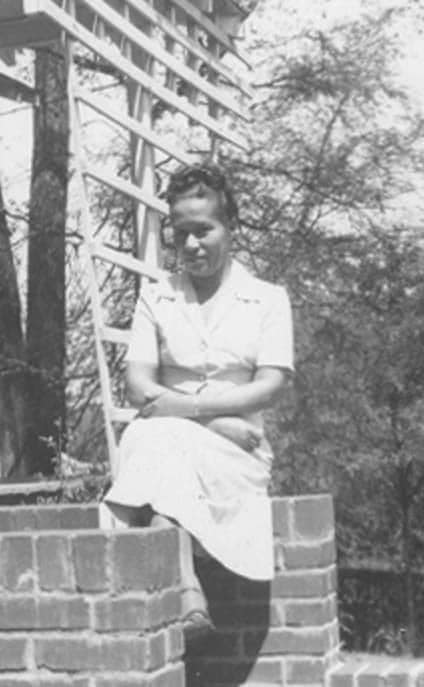
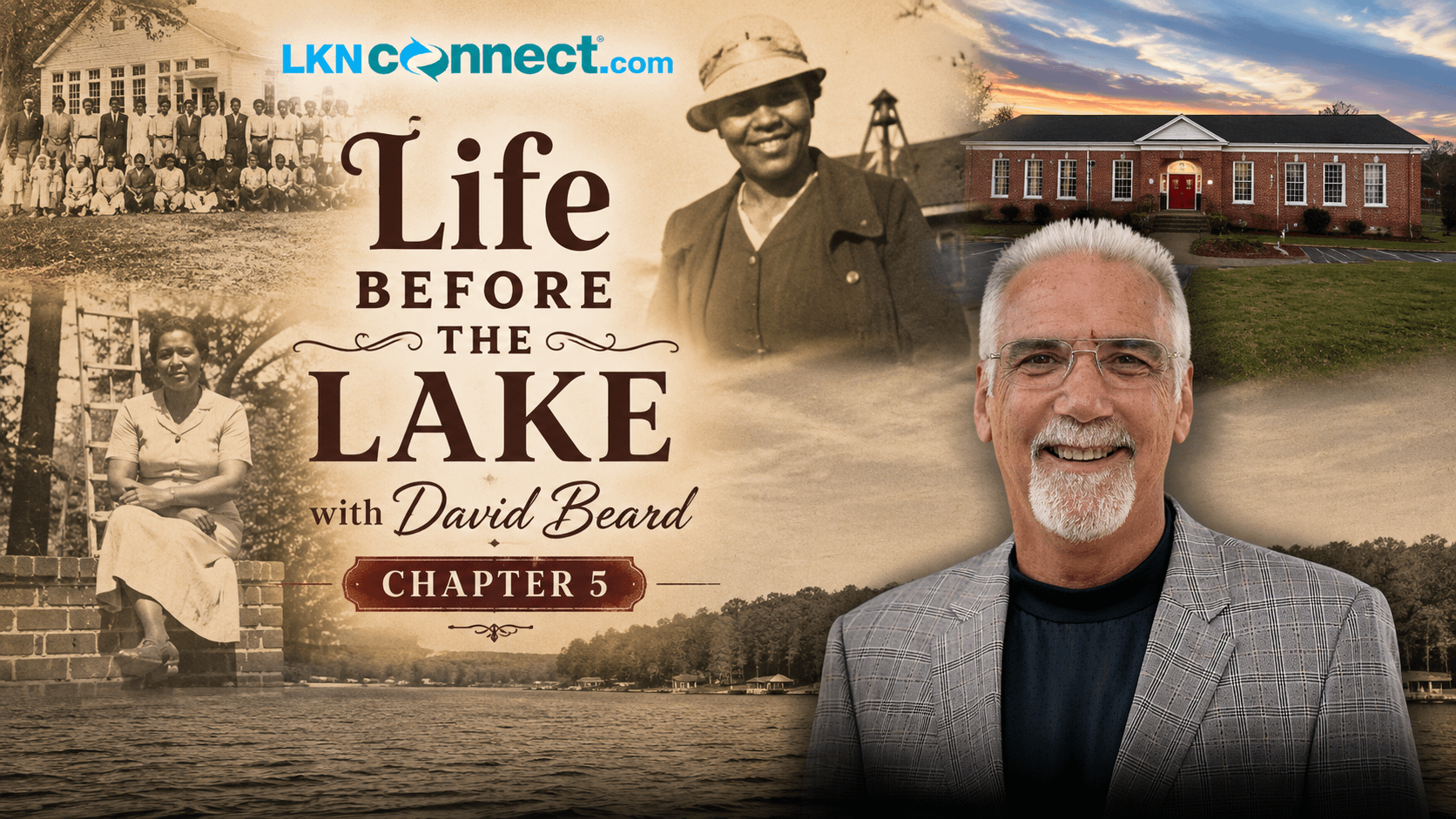
Leading the effort was Ada Jenkins, a respected educator whose influence reached far beyond the classroom.
Refusing to allow local children to lose their educational opportunities, Jenkins mobilized the community. Families contributed what they could. Neighbors organized fundraising efforts. Local residents united around a common purpose: rebuilding the school and preserving hope for future generations.
Jenkins possessed a rare combination of determination and compassion. She understood that education was more than reading and arithmetic—it was a pathway toward opportunity, dignity, and self-worth.
Her leadership inspired others to believe that despite the obstacles of the era, progress was possible.
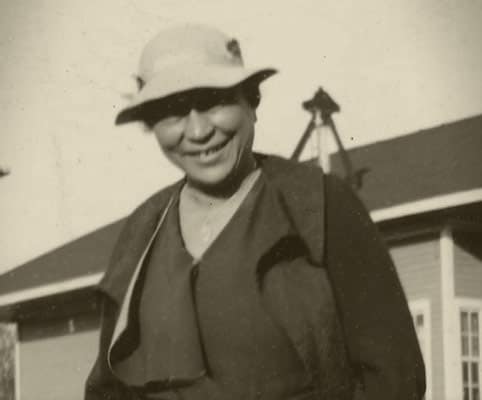
Known for her passion, discipline, and compassion, Jenkins believed education should nurture the whole child. Beyond her duties as an educator, she directed the school’s glee club and taught piano and organ, enriching the cultural lives of her students.
Former students remembered her as someone who saw potential where others saw limitations. She challenged young people to dream bigger than the circumstances surrounding them and instilled confidence that would serve them throughout their lives.
Her influence extended well beyond graduation day. Many students carried the lessons she taught into their families, careers, churches, and communities.
Long after they left her classroom, they remembered the teacher who believed in them.
As the years passed, the school continued to grow.
Additional classrooms and a library were added, and new grade levels were introduced. Eventually, students could continue their education through the eleventh grade. Each expansion reflected the aspirations of local families and the growing importance of the school within the community.
The school’s growth mirrored the growth of West Davidson itself. Families continued investing in education because they believed it offered their children the greatest opportunity for success.
Additional improvements followed in the years ahead, including a gymnasium, a new classroom wing, and a freestanding cafeteria around 1958. These investments reflected the community’s enduring belief that its children deserved opportunities equal to those available elsewhere.
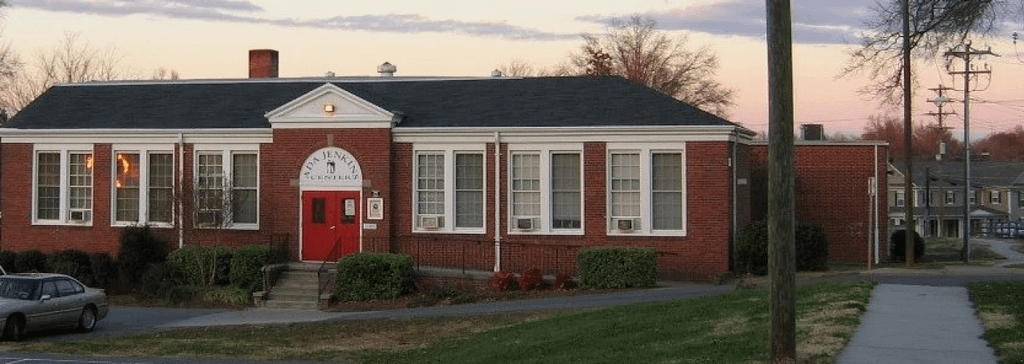
When Ada Jenkins passed away in 1944, the community sought a lasting way to honor the woman who had given so much of herself to its children.
The decision was both simple and profound.
The school she had helped build and nurture was renamed the Ada Jenkins School.
The new name ensured that future generations would know the story of the educator whose leadership transformed educational opportunities in Davidson. It also reflected the deep respect and gratitude felt by those whose lives she had touched.
Few tributes could have been more fitting.
The 1960s brought sweeping changes across the South, and Davidson was no exception.
In 1966, the integration of Davidson’s public schools brought an end to the era of separate educational facilities. Students who attended Ada Jenkins School were reassigned to Davidson Elementary School and Torrence-Lytle High School.
Like many historically Black schools throughout the South, the future of the building suddenly became uncertain.
For a brief moment, it appeared that the institution generations had worked so hard to build might simply fade into history.
But the building—and the community’s spirit—proved remarkably resilient.
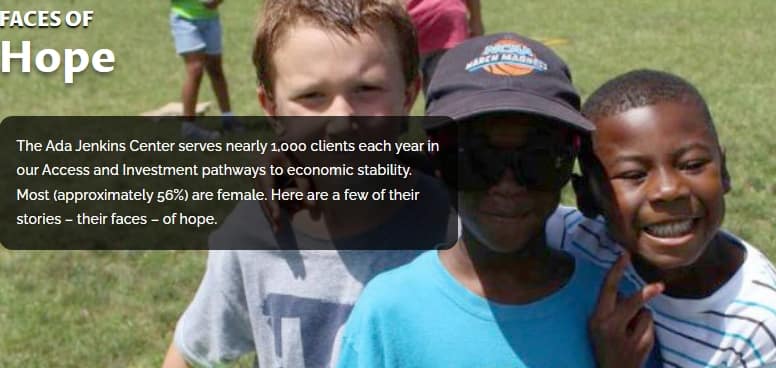
Rather than standing empty, the facility found a new purpose.
Within a year, it reopened as the Davidson Child Development Center. The transition reflected the same spirit that had defined the school from the beginning: a willingness to adapt in order to meet the community’s changing needs.
The building that once educated children during segregation now became a broader resource for families throughout the region.
Its evolution continued over the following decades. In 1998, the organization was renamed the Ada Jenkins Center, reconnecting its expanding mission to the educator whose leadership had inspired its creation.
What began as a community school steadily grew into a comprehensive support organization dedicated to strengthening families and creating pathways to opportunity.
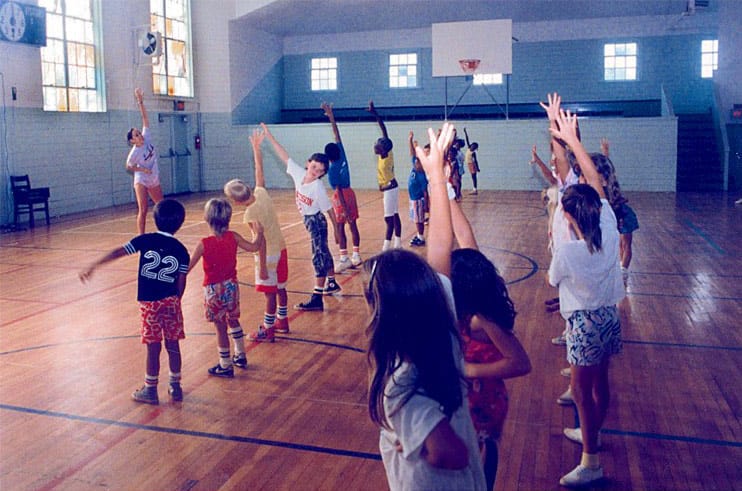
Today, the Ada Jenkins Center serves thousands of residents throughout Davidson, Cornelius, Huntersville, and the surrounding communities.
Through more than twenty programs, the organization provides educational support, after-school programming, workforce development, health services, food assistance, and economic support for families facing challenges.
Its free medical clinic and numerous community initiatives continue the work that began nearly a century ago—removing barriers and creating opportunities for those who need them most.
Although its services have expanded dramatically, the mission remains remarkably similar to the one that inspired the original school: helping people build better futures through education, support, and opportunity.
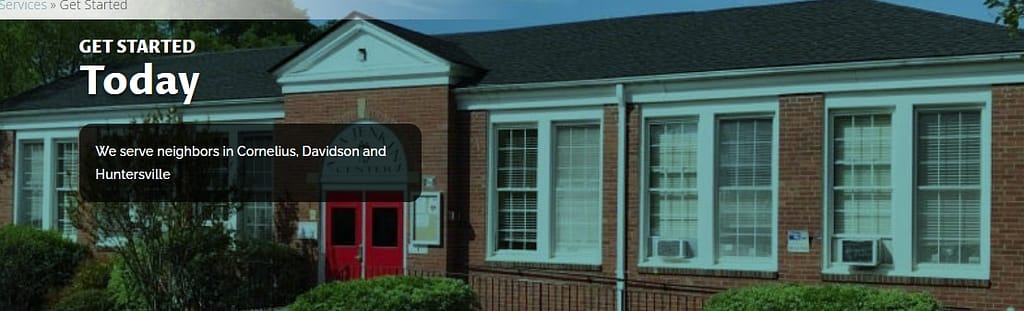
The historic building remains the most prominent landmark in Davidson’s traditional African American Westside neighborhood. Yet its greatest significance lies not in its architecture but in what it represents.
It stands as a testament to generations of families who believed education could transform lives. It honors a community that refused to let obstacles define its future. And it preserves the legacy of a teacher whose influence continues to shape Davidson long after her lifetime.
Ada Jenkins never set out to build a community institution. She simply believed that every child deserved the opportunity to learn and thrive.
Today, the organization that bears her name continues that work on a much larger scale. What began as a determined effort to educate children in a small segregated community has become one of northern Mecklenburg County’s most impactful nonprofit organizations.
The story of the Ada Jenkins Center is ultimately the story of West Davidson itself—a story of resilience, service, sacrifice, and hope. It is a reminder that lasting change often begins with ordinary people who refuse to give up on their community.
Nearly a century later, the dream that began in a modest schoolhouse continues to transform lives, proving that when a community invests in its children, the impact can be felt for generations.
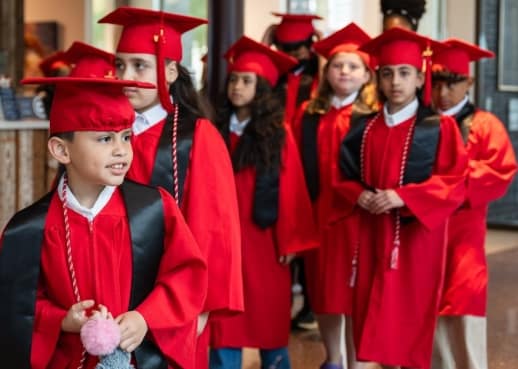

The Center continues to promote the importance of education and equal opportunity for all citizens. Today, they are a 501 (c) 3 not-for-profit organization helping those in poverty break the cycle and gain economic independence. The Center has become a resource hub for Davidson, Cornelius and Huntersville and a well-respected model for community centers in the region.
If you want more information or wish to get involved, please visit their website. Home – Ada Jenkins. Photos for this article came from their site.
As mentioned, LKNConnect.com aims to report the history of “Life Before The Lake.” We will be researching the past of the towns around the lake and would like to hear from you about your family’s history of the area.
I have lived in Huntersville my entire life. We actually trace my family’s history back for eight generations. When folks hear this, they ask, “What was life like before the lake?” That question inspired me to research the history of the area. This new feature is the result of those questions. I plan to write many articles about “Life Before The Lake” and post them on www.Lknconnect.com’s website.