LKNConnect Favorites: Landscaping & Lawn Care Around Lake Norman
- Landscaping & Lawn Care Around Lake Norman

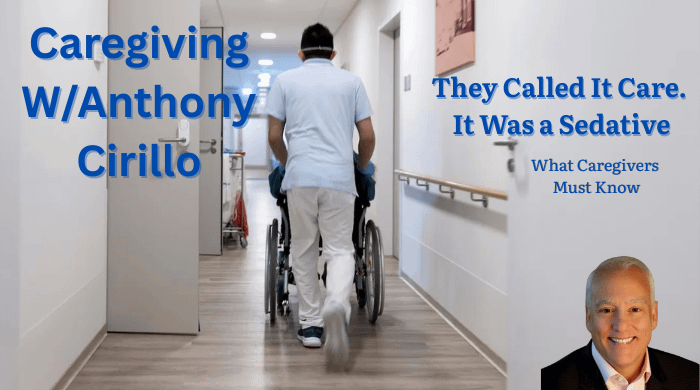

What Caregivers Must Know About Antipsychotics in Nursing Homes
The use of antipsychotic drugs to manage dementia patients is widespread — and often preventable. Here’s how to protect your loved one.
When families begin the exhausting, emotionally loaded search for a nursing home, they tend to focus on the obvious: Is it clean? Well-staffed? Is the staff kind? Can we afford it? What they rarely think to ask is: Will my mother be chemically sedated to make her easier to manage?
They should be asking.
Antipsychotic medications — drugs originally developed to treat schizophrenia and bipolar disorder — have been widely used in nursing homes for decades to quiet residents with dementia who wander, resist care, or become agitated. Federal regulators have long flagged this practice as a serious concern. The FDA has issued black-box warnings stating these drugs increase the risk of death in elderly dementia patients. And yet the practice persists, often under the radar of families who don’t know what to look for.
Amid lobbying pressure, the Trump administration considers easing nursing-home rules that discourage use of mental health drugs. Here is what you need to know before signing anything.
Why This Happens
Nursing homes are chronically understaffed. When a resident with dementia becomes combative, distressed, or disruptive at 2 a.m., the path of least resistance is medication — not a walk, not redirection, not a call to a specialist. Antipsychotics like haloperidol, quetiapine, and risperidone can blunt behavior quickly. For facilities short on staff and time, they become a management tool rather than a medical one. The clinical term for this is chemical restraint. It’s considered a form of abuse when used without a legitimate psychiatric diagnosis or documented medical necessity.
Questions to Ask Every Facility
Don’t wait to be told. Walk in with these questions and watch how staff respond — their comfort level, or discomfort, will tell you as much as the answers.
1. What is your facility’s antipsychotic prescribing rate? Medicare’s Nursing Home Compare database publishes this data publicly. The national average hovers around 14–16% of long-stay residents. Facilities below 10% are doing something right. Anything above 20% deserves hard follow-up questions.
2. Do you require physician or psychiatrist sign-off before starting an antipsychotic? The answer should be yes — and the physician should not be someone who never sets foot in the building.
3. What non-drug interventions do you use first? Good facilities have protocols: structured activity, sensory engagement, music therapy, dementia-trained staff. If the answer is vague, that’s a warning sign.
4. How often are medication regimens reviewed? Federal law (under OBRA ‘87) requires nursing homes to conduct regular medication reviews and attempt dose reductions. Ask how often and by whom.
5. Will I be notified and asked for consent before any new psychiatric medication is started? This should be standard. If a facility is evasive, reconsider.
What to Look For Once Your Loved One Is Admitted
Placement isn’t the end of vigilance — it’s the beginning of a new kind.
Watch for sudden changes in alertness or personality. A resident who becomes unusually drowsy, stops participating in activities, or seems “flat” may have been started on a sedating medication. Ask to see the current medication list at every visit, and don’t be shy about asking why each drug is prescribed.
Request care plan meetings regularly. You have a legal right to attend and participate. If staff seem to discourage family involvement, treat that as a red flag.
Document everything. Dates, observations, names of staff you spoke with. If you suspect something has changed medically, put your concerns in writing.
The Bottom Line
The best nursing homes treat behavioral symptoms of dementia as communication — a person in distress, trying to express a need. They invest in staff training, environmental design, and individualized care. They use medication as a last resort, not a first response.
Your loved one cannot always advocate for themselves. That job falls to you. Go informed, stay engaged, and don’t stop asking questions.
For facility-specific prescribing data, visit Medicare’s Compare tool.
Reprinted with permission from Anthony Cirillo

Anthony Cirillo has spent decades helping families, caregivers, and professionals rethink what aging can look like. A nationally respected voice in senior living and aging advocacy, Anthony brings insight, clarity, and compassion to conversations that matter. From navigating caregiving challenges to understanding the future of senior lifestyles, his perspective helps families make smarter, more confident decisions. If you care about aging well, supporting loved ones, or understanding the changing world of senior living, Anthony Cirillo is a voice worth hearing.