Guide to Lake Norman’s Favorite Breakfast & Brunch Restaurants
- Guide - Restaurants

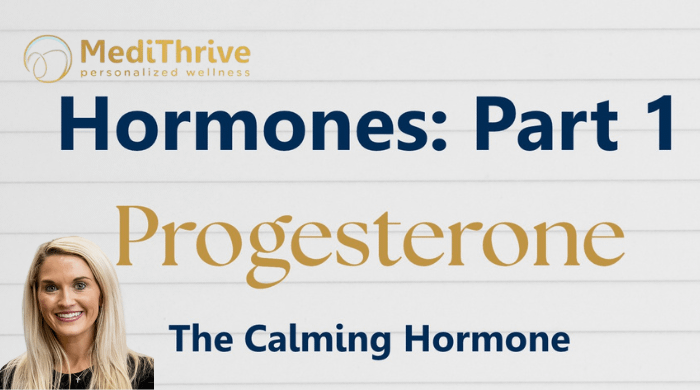

What Is Progesterone and Why Is It Important?
Progesterone is a key female sex hormone that plays a central role in menstrual cycle regulation, fertility, and overall hormone balance. Often referred to as the “calming hormone,” progesterone works alongside estrogen to maintain equilibrium in the body. When progesterone levels are optimal, women often experience better sleep, stable moods, and predictable cycles.
Signs of Low Progesterone
Low progesterone is common during perimenopause and menopause. Symptoms may include irregular periods, heavy bleeding, anxiety, poor sleep, breast tenderness, and mood swings. Because progesterone naturally declines before estrogen during midlife, this imbalance can amplify uncomfortable hormonal symptoms.
Benefits of Progesterone Replacement Therapy
Progesterone replacement therapy can help restore hormonal balance and reduce symptoms associated with progesterone deficiency. Benefits may include:
Micronized bioidentical progesterone is commonly prescribed and is often well tolerated when properly dosed and monitored.
Progesterone and Long-Term Hormone Health
Beyond symptom relief, progesterone plays a protective role in endometrial health and supports overall hormonal harmony. When personalized to the individual, progesterone therapy can be a foundational component of a comprehensive hormone replacement therapy (HRT) plan.

Leah Griffin O’Connor – Wellness Care Strategist
Leah has deep family roots in the Lake Norman area, fostering a strong connection and commitment to her community. With a longtime interest and passion for functional nutrition and lifestyle, she holds a profound belief in the power of functional medicine.
Outside of work, she enjoys being with her family and friends, spending time on the lake, and traveling. Leah is dedicated to enhancing the patient experience and creating awareness for MediThrive’s solutions to help others unlock their wellness potential. Leah looks forward to watching MediThrive help others feel their best and thrive